Argentina Peso Crisis 2023–2024: Devaluation, Inflation, Capital Controls, BCRA Policy
GPT_Global - 2026-06-03 23:34:16.0 47
What impact did the December 2023 devaluation have on the ARS/USD official rate?
The December 2023 ARS devaluation—Argentina’s largest official currency adjustment in over a decade—significantly reshaped the ARS/USD official exchange rate. On December 12, the Central Bank slashed the official rate from ~ARS 365 to ~ARS 800 per USD overnight, a move aimed at unifying fragmented exchange regimes and curbing black-market premiums. For remittance businesses, this devaluation created both challenges and opportunities. While volatility spiked initially, the widened gap between official and parallel rates temporarily increased arbitrage potential—but also heightened compliance scrutiny. Remittance providers had to rapidly update pricing engines, reassess hedging strategies, and enhance transparency for customers navigating sudden purchasing-power shifts. Crucially, the devaluation improved the competitiveness of official-channel transfers: recipients now receive more pesos per dollar sent, boosting trust in regulated platforms over informal networks. This shift supports long-term growth for compliant remittance firms investing in local partnerships and real-time FX tools. Staying ahead means monitoring BCRA policy signals, leveraging multi-rate reconciliation systems, and educating users on timing and channel selection. With Argentina’s FX landscape continuing to evolve, agility and regulatory adherence are no longer optional—they’re essential for sustainable cross-border service delivery.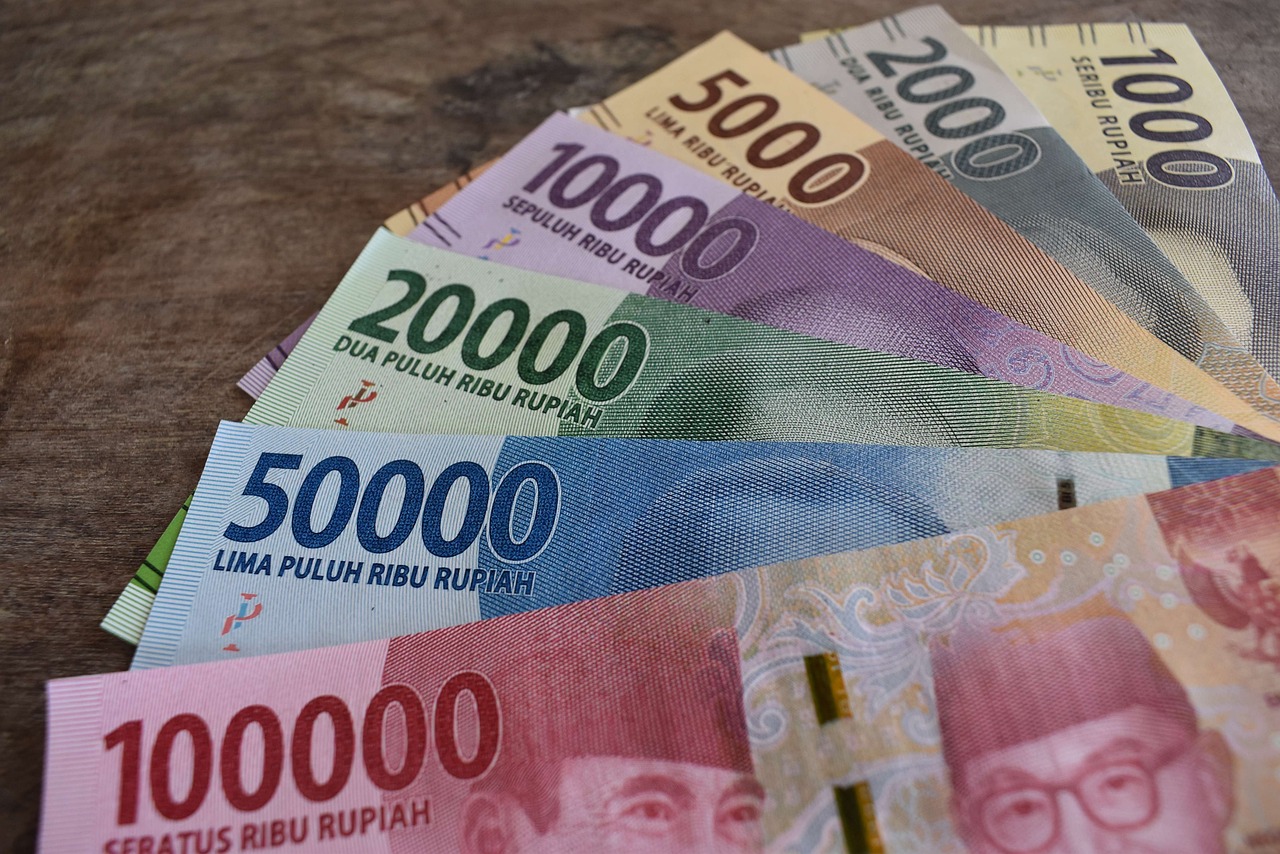
Where can I find real-time, reliable ARS exchange rate data from official Argentine sources?
For remittance businesses operating in or targeting Argentina, accessing real-time, reliable ARS exchange rate data from official Argentine sources is critical for transparency, compliance, and competitive pricing. The Banco Central de la República Argentina (BCRA) is the primary authoritative source—its official website (www.bcra.gob.ar) publishes daily reference exchange rates, including the “Tipo de Cambio Oficial” and “Tipo de Cambio Vendedor,” updated each business day by 3:00 PM ART. While BCRA data is authoritative, it reflects interbank wholesale rates—not retail customer rates. Remittance providers should supplement BCRA figures with real-time feeds from regulated financial institutions like Banco Nación or Banco Galicia, which publish indicative retail rates via their public APIs (subject to terms of use). Note: BCRA does not offer a live API; automated scraping is discouraged—use only their officially sanctioned data channels. To ensure regulatory alignment and build customer trust, integrate BCRA-sourced rates into your pricing engine with clear disclaimers about margins and fees. Regularly audit data sources against BCRA’s published bulletins (Boletín Estadístico) to maintain accuracy. Staying compliant with Argentina’s foreign exchange regulations (e.g., BCRA Communication “A” 6429) also helps avoid penalties and enhances credibility in a highly monitored market.What role do capital controls play in sustaining the gap between official and unofficial peso rates?
Capital controls are government-imposed restrictions on the flow of foreign currency in and out of a country—and in Argentina, they’re central to the persistent gap between the official and unofficial (blue) peso exchange rates. By limiting access to dollars through formal banking channels, authorities artificially prop up the official rate, making it significantly more favorable than market-driven alternatives. This disparity directly impacts remittance businesses: senders and recipients face starkly different payout values depending on which rate applies. Transfers processed through regulated banks often use the weaker official rate, reducing recipient payouts by 30–50% compared to parallel-market conversions—eroding trust and incentivizing informal channels. For remittance providers, navigating this duality means balancing compliance with competitiveness. Offering transparent, near-blue-rate conversions—while adhering to AFIP and BCRA regulations—can differentiate your service and build loyalty among diaspora customers seeking fair value. Staying updated on capital control adjustments (e.g., changes to purchase limits or documentation requirements) is essential. Proactive communication about rate transparency, settlement timelines, and regulatory safeguards helps users make informed decisions—and positions your brand as reliable amid economic uncertainty.How does the BCRA’s “Leliq” interest rate affect peso liquidity and exchange rate stability?
For remittance businesses operating in Argentina, understanding the BCRA’s Leliq (Letras de Liquidez) interest rate is critical to managing peso liquidity and exchange rate risk. When the Central Bank raises Leliq rates, it absorbs excess pesos from the financial system—reducing liquidity and tightening local currency supply. This often strengthens the peso temporarily, narrowing the gap between official and parallel exchange rates. Conversely, sharp Leliq rate cuts or rollover uncertainty can trigger peso depreciation and capital flight, increasing volatility in the MEP and CCL dollar markets. For remittance providers, such swings directly impact margin stability, hedging costs, and customer conversion timing—especially for migrant workers sending funds home. Monitoring Leliq auction volumes and rate trends helps remittance firms anticipate liquidity crunches or sudden FX interventions. Proactive treasury management—like timing peso purchases ahead of anticipated BCRA tightening—can safeguard margins and improve payout predictability for end users. Integrating BCRA policy signals into your operational dashboard isn’t just prudent—it’s a competitive advantage. Stay informed, stay liquid, and deliver reliable peso conversions—even amid Argentina’s dynamic monetary landscape.
About Panda Remit
Panda Remit is committed to providing global users with more convenient, safe, reliable, and affordable online cross-border remittance services。
International remittance services from more than 30 countries/regions around the world are now available: including Japan, Hong Kong, Europe, the United States, Australia, and other markets, and are recognized and trusted by millions of users around the world.
Visit Panda Remit Official Website or Download PandaRemit App, to learn more about remittance info.
Latest News


2026-08-07 23:05