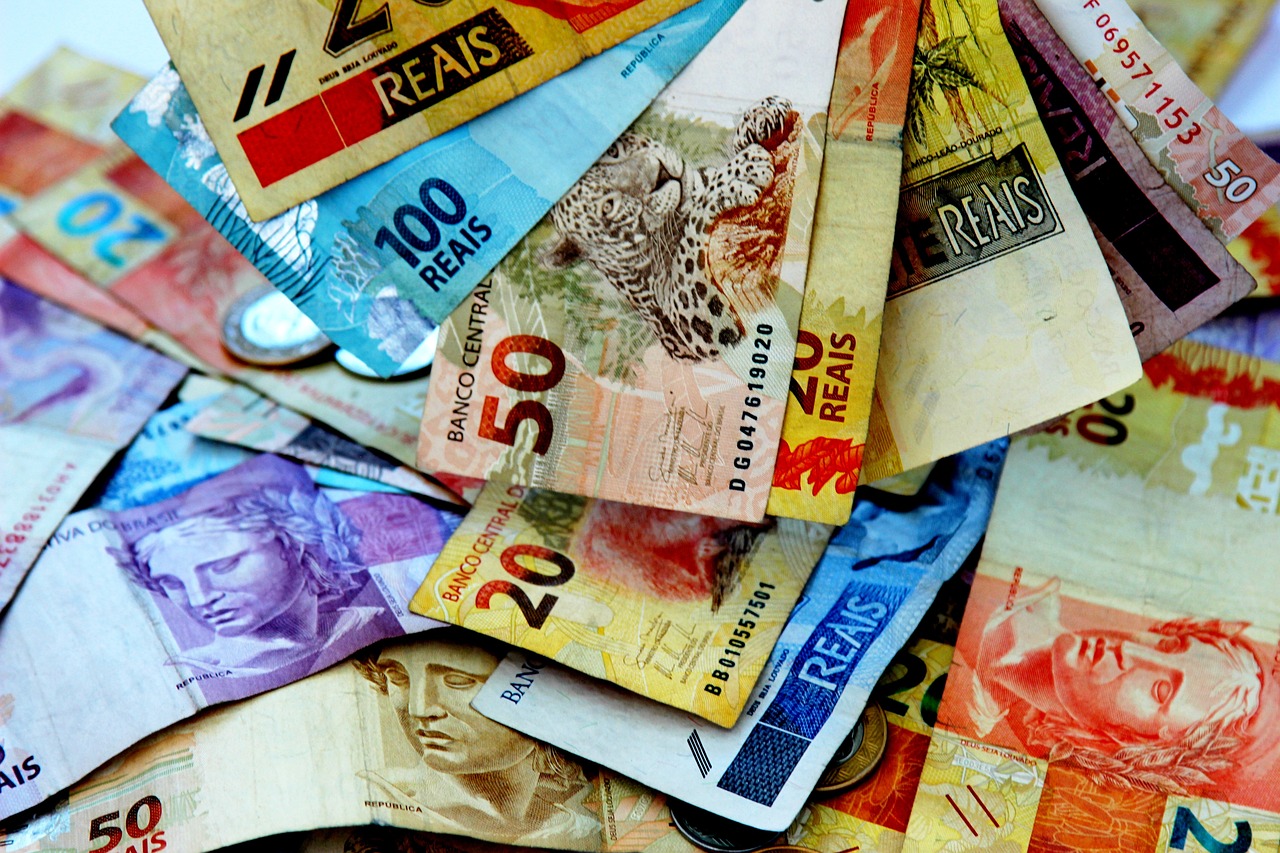
Argentina Currency Guide: Cepo, Exchange Limits, Fees, MEP Dollar & Credit Card USD
GPT_Global - 2026-06-04 04:30:54.0 32
How do banks, bureaux de change, and peer-to-peer platforms compare for ARS→USD conversion fees?
When converting Argentine Pesos (ARS) to US Dollars (USD), choosing the right channel significantly impacts your final amount. Banks often charge high fees—typically 3–5%—plus unfavorable mid-market rate markups of 2–4%, resulting in substantial hidden costs. Bureaux de change offer faster, in-person service but usually impose even steeper margins—up to 6–8%—and limited transparency. Their rates fluctuate frequently and rarely include clear fee breakdowns, making comparisons difficult for cost-conscious senders. Peer-to-peer (P2P) remittance platforms stand out with lower overall costs: average fees range from 0.5% to 2%, and many use near-mid-market exchange rates. Built-in rate calculators, real-time tracking, and mobile-first UX enhance trust and convenience—key advantages for ARS→USD transfers amid Argentina’s volatile forex environment. For remittance businesses targeting Argentine users, integrating competitive P2P-style ARS→USD conversion isn’t just strategic—it’s essential. Lower fees drive higher customer retention and referral growth, while regulatory-compliant platforms ensure AML/KYC adherence. Prioritizing transparent, fast, and low-cost conversions helps differentiate your service in a crowded market. Compare providers carefully: look beyond headline fees to total cost—including spreads and processing time. With inflation and currency controls persisting, value, speed, and reliability matter more than ever. Choose wisely—and convert smarter.What is the “dólar MEP” or “dólar contado con liquidación,” and how does it relate to the official dollar rate?
For Argentinians sending or receiving remittances, understanding the “dólar MEP” (Mercado Electrónico de Pagos) — also known as “dólar contado con liquidación” (CCL) — is essential to maximize value. This unofficial exchange rate emerges from a financial arbitrage mechanism where investors buy Argentine pesos (ARS) in the local stock market, use them to purchase blue-chip stocks like YPF or Telecom, and then sell those same shares abroad for U.S. dollars. The resulting USD/ARS conversion rate typically trades significantly above the official “dólar oficial,” often by 30–50% or more. The dólar MEP reflects real market demand and investor sentiment — making it a more accurate gauge of the peso’s purchasing power than the tightly controlled official rate. For remittance businesses, leveraging MEP-based pricing (where legally permissible and compliant) can offer customers better exchange rates, lower fees, and faster settlements compared to traditional bank corridors tied to the official rate. However, regulatory clarity and access matter: MEP transactions require brokerage accounts and involve settlement timelines. Reputable remittance providers now integrate MEP-aligned pricing transparently — helping migrants and families get more ARS for every USD sent. Staying informed about MEP fluctuations helps users time transfers strategically. Partner with licensed, compliant services that disclose their rate methodology clearly — because in Argentina’s complex FX landscape, transparency equals trust.
About Panda Remit
Panda Remit is committed to providing global users with more convenient, safe, reliable, and affordable online cross-border remittance services。
International remittance services from more than 30 countries/regions around the world are now available: including Japan, Hong Kong, Europe, the United States, Australia, and other markets, and are recognized and trusted by millions of users around the world.
Visit Panda Remit Official Website or Download PandaRemit App, to learn more about remittance info.
Latest News
2026-08-07 18:05
2026-08-07 18:05