Euro Exchange in Vienna: Fees, ECB Impact, Currency History & ATM Facts
GPT_Global - 2026-06-14 03:00:42.0 55
What fees are typically charged when exchanging USD to EUR in Vienna?
Exchanging USD to EUR in Vienna involves several common fees that travelers and expats should understand before sending money. Most banks and currency exchange offices charge a spread—the difference between the buy and sell rates—often 3–5% above the mid-market rate. This hidden cost is usually the largest expense. Additionally, many providers impose flat service fees ranging from €3 to €15 per transaction, especially for smaller amounts. Some digital remittance platforms (like Wise, Revolut, or PayPal) offer transparent, low-cost alternatives with fees as low as 0.3–0.7%, plus a small fixed fee—ideal for frequent or larger transfers. ATM withdrawals in EUR using a foreign USD card often incur both foreign transaction fees (1–3%) and ATM operator charges—making them less economical than dedicated remittance services. Always compare total costs: exchange rate + fees + speed. At Vienna’s main hubs—such as Wien Hauptbahnhof, airports, or city-center bureaux de change—rates vary widely. Avoid airport kiosks, which typically have the worst spreads. For reliable, low-fee USD-to-EUR transfers, choose regulated remittance specialists offering real-time FX rates and instant SEPA delivery to Austrian bank accounts. Optimize your transfer by booking online in advance: many services lock in favorable rates and waive fees for first-time users. With smart planning, you can save significantly—every 1% saved on a $5,000 transfer equals €45+ more in your recipient’s EUR account.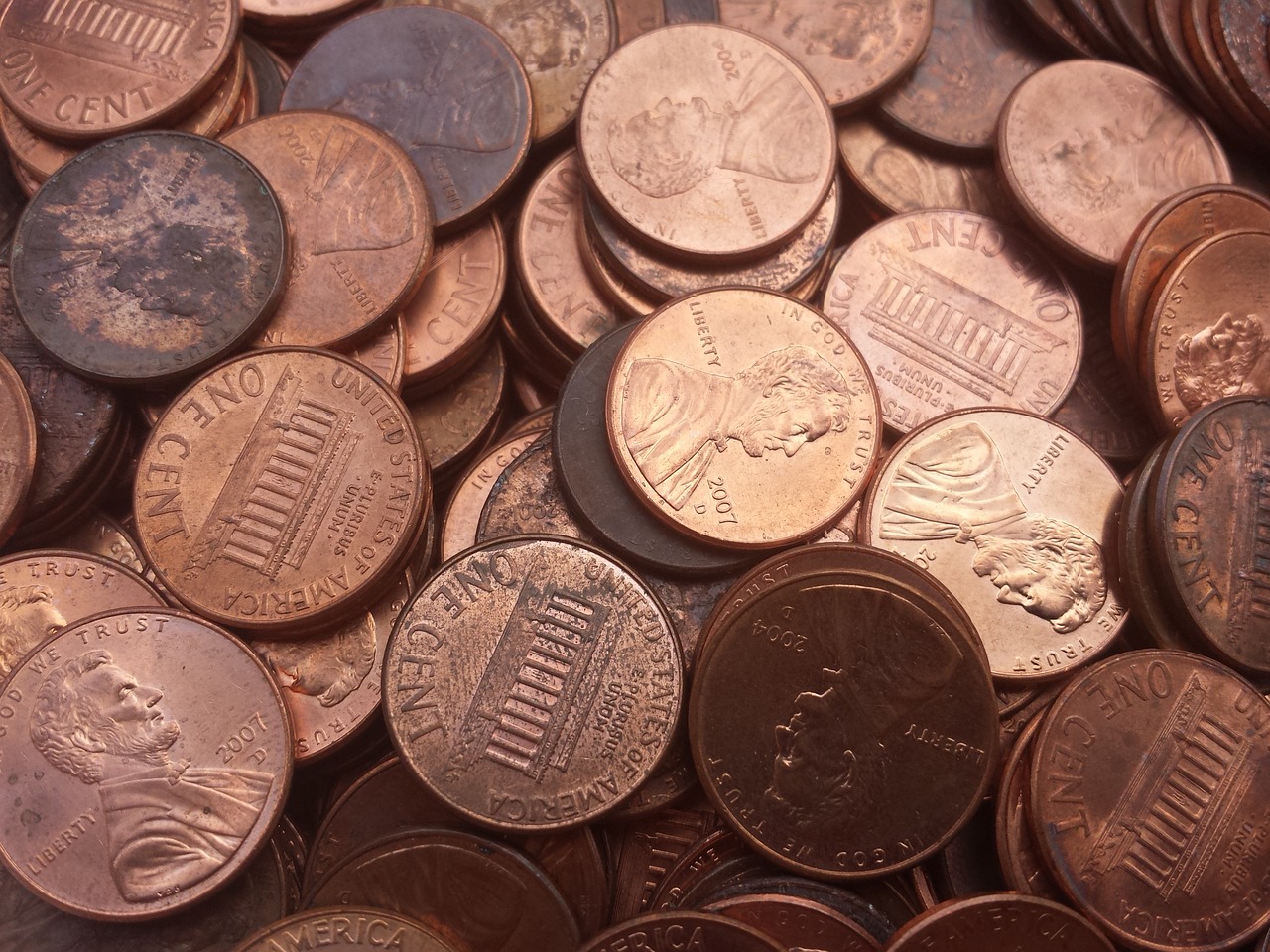
How does the European Central Bank’s monetary policy affect EUR-to-USD conversion for travelers from the U.S.?
Travelers from the U.S. exchanging dollars for euros should understand how the European Central Bank’s (ECB) monetary policy directly impacts EUR-to-USD conversion rates. When the ECB raises interest rates to combat inflation, the euro typically strengthens—making each USD buy fewer euros. Conversely, ECB rate cuts or quantitative easing tend to weaken the euro, improving USD-to-EUR exchange value for American travelers. For remittance businesses, these ECB-driven fluctuations are critical. Even small shifts in the EUR/USD exchange rate can significantly affect the final amount received by beneficiaries in Europe—impacting customer satisfaction and competitive pricing. Real-time monitoring of ECB announcements, such as Governing Council meetings or changes to deposit facility rates, allows remittance providers to optimize timing and hedge exposure. Moreover, travelers benefit when remittance platforms offer transparent, mid-market rates and low fees—especially during periods of ECB-induced volatility. By integrating ECB policy insights into dynamic pricing models, forward-thinking remittance services deliver better value and build trust. Staying informed isn’t just smart—it’s essential for maximizing every dollar converted.What historical currency did Austria use before the euro—and was any of them ever called a “dollar”?
Austria’s historical currency before adopting the euro in 1999 (with euro banknotes and coins entering circulation in 2002) was the Austrian schilling. Introduced in 1925 to stabilize the economy after hyperinflation, the schilling remained Austria’s official currency for over seven decades—except during the Nazi annexation (1938–1945), when the Reichsmark was used. Interestingly, while “dollar” is widely associated with the US, Canada, Australia, and others, Austria never officially used a currency named “dollar.” However, the term *Taler* (pronounced “tah-ler”)—a silver coin originating in 16th-century Bohemia—was historically influential across Central Europe, including Austrian territories. Over time, “Taler” evolved linguistically into “dollar” in English-speaking regions, but Austria itself never issued or adopted a “dollar” as legal tender. For remittance businesses serving Austrians abroad—or those sending money to Austria—it’s essential to understand this historical context. While today’s transfers use EUR, knowing past currencies helps build trust and cultural relevance—especially with older generations or heritage-focused customers. Accurate, localized financial communication reinforces reliability and compliance awareness. Partner with remittance providers offering real-time EUR transfers, low fees, and transparent FX rates—ensuring seamless, secure payments rooted in both modern efficiency and historical financial literacy.Is there an official Austrian currency code for USD? (Spoiler: No—but what *is* Austria’s ISO 4217 code?)
When sending money from Austria to the United States—or anywhere abroad—understanding currency codes is essential for fast, accurate remittances. You might wonder: *Is there an official Austrian currency code for USD?* The answer is no. USD (US Dollar) is the ISO 4217 code assigned to the U.S. dollar—not Austria’s. Austria uses the euro, and its official ISO 4217 currency code is **EUR**. This three-letter code is globally recognized by banks, payment gateways, and remittance platforms to identify transactions in euros. Using the correct ISO code ensures your transfer avoids processing delays or rejection due to mismatched currency identifiers. Many remittance services auto-detect EUR when sending from Austrian bank accounts—but always double-check before confirming. Mistaking EUR for USD (or vice versa) can trigger unnecessary FX conversions and hidden fees. For seamless cross-border payments, choose a licensed remittance provider that clearly displays ISO 4217 codes, offers transparent EUR-to-USD exchange rates, and supports real-time tracking. Knowing Austria’s official currency code—EUR—is the first step toward smarter, safer international transfers. Stay informed, save on fees, and send with confidence.How do ATMs in Austria dispense money—and do they offer USD withdrawals?
Traveling to Austria? Understanding how ATMs work there is essential for seamless money access—especially if you’re sending or receiving remittances. Austrian ATMs (known as “Bankomaten”) operate on the Euro (EUR) and are widely available in cities, airports, and rural areas. They accept major international cards (Visa, Mastercard, Maestro), but most only dispense euros—no USD withdrawals are offered. While some premium banks *may* display USD exchange rates for informational purposes, the physical cash dispensed is always in EUR. This means remittance recipients in Austria must convert funds to euros before withdrawal—or use digital remittance services that deposit directly into local EUR bank accounts, avoiding ATM fees and poor exchange rates. Using ATMs for cash withdrawal incurs fees from both your home bank and the Austrian operator—often €2–€5 per transaction—plus dynamic currency conversion (DCC) markups if accepted. For cost-effective transfers, opt for licensed remittance providers offering mid-market EUR rates, low flat fees, and fast EUR bank deposits. Pro tip: Always decline DCC prompts at Austrian ATMs and choose “charge in EUR” to avoid hidden charges. For frequent cross-border transfers, partnering with a regulated remittance business ensures transparency, speed, and better value than ATM reliance alone.
About Panda Remit
Panda Remit is committed to providing global users with more convenient, safe, reliable, and affordable online cross-border remittance services。
International remittance services from more than 30 countries/regions around the world are now available: including Japan, Hong Kong, Europe, the United States, Australia, and other markets, and are recognized and trusted by millions of users around the world.
Visit Panda Remit Official Website or Download PandaRemit App, to learn more about remittance info.
Latest News