Vietnam Wage Landscape: Formal vs Informal, Gender Gaps, Education Premium, Expatriate Pay & ASEAN Comparison
GPT_Global - 2026-06-15 15:05:20.0 69
How do average wages differ between formal-sector and informal-sector workers in Vietnam?
Understanding wage disparities between formal and informal sectors in Vietnam is crucial for remittance businesses serving migrant workers. On average, formal-sector workers earn roughly 2.5 to 3 times more than their informal-sector counterparts—VND 8–10 million/month versus VND 3–4 million/month (World Bank, 2023). This gap reflects differences in job security, social insurance coverage, and regulatory compliance. Informal workers—often in construction, street vending, or domestic work—typically receive cash wages without contracts or benefits, making them more reliant on fast, low-cost remittance channels. In contrast, formal employees (e.g., factory workers in export zones) usually have bank accounts and access employer-sponsored payroll services, enabling digital transfers with lower fees and better exchange rates. For remittance providers, this wage divide signals distinct customer needs: informal workers prioritize speed, flexibility, and agent-based cash pickups; formal workers increasingly prefer app-based, transparent, and multi-currency options. Tailoring products to each segment—such as fee-free first transfers for informal users or salary-linked auto-send features for formal employees—boosts trust and market share. By aligning service design with Vietnam’s dual labor economy, remittance businesses can enhance financial inclusion, reduce transfer costs, and support Vietnam’s growing diaspora—over 5.3 million overseas—who send home nearly $19 billion annually (SBV, 2023). Smart segmentation starts with understanding where—and how—Vietnamese workers earn.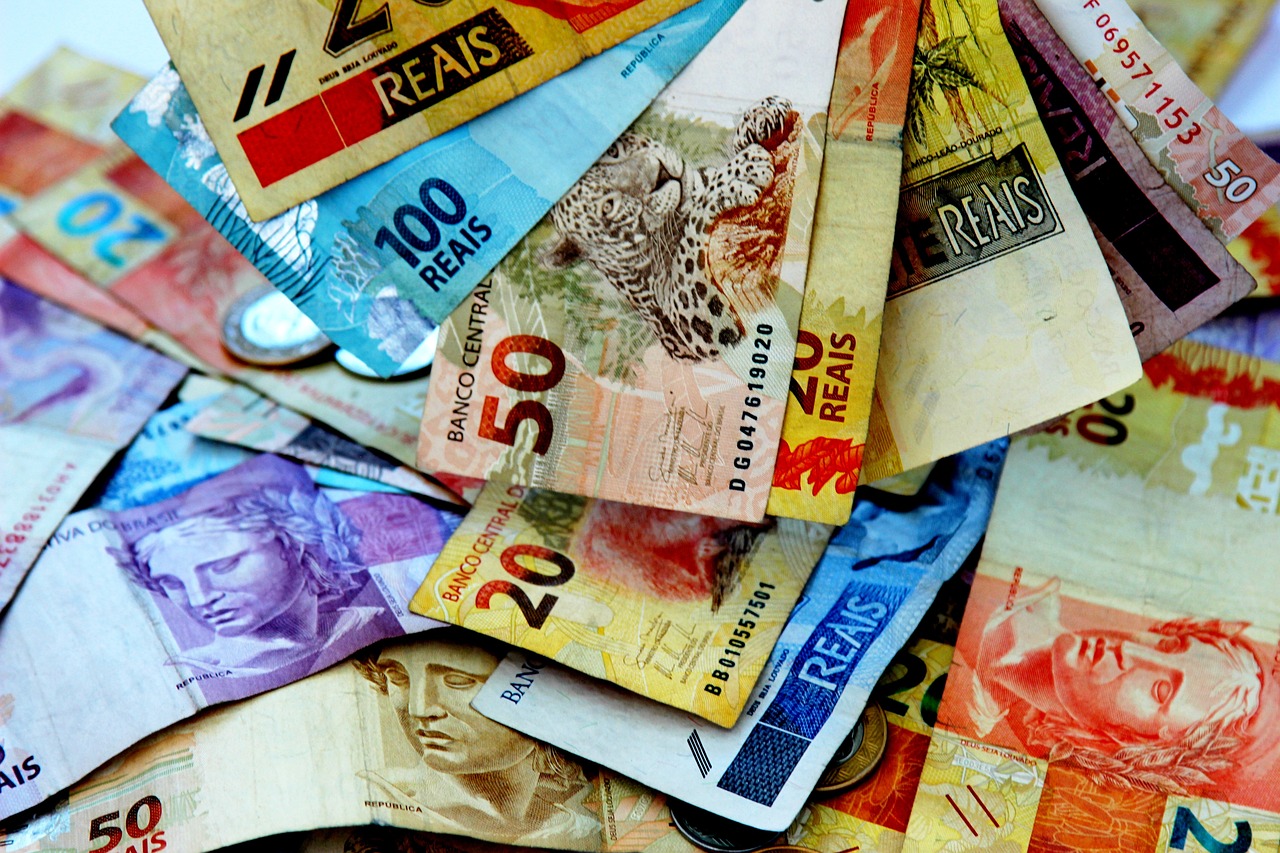
What is the gender wage gap in Vietnam—i.e., how much lower is the average female wage compared to male wage?
Understanding Vietnam’s gender wage gap is crucial for families relying on remittances—especially when women, who often manage household finances, earn significantly less than men. According to the General Statistics Office of Vietnam and ILO reports, women in Vietnam earn approximately 10–15% less than men on average, even with comparable education and experience. This disparity persists across sectors, from manufacturing to services, and is amplified in informal or low-wage jobs where many migrant women work. For overseas Vietnamese workers sending money home, this gap means female recipients—often mothers, sisters, or wives—must stretch tighter budgets to cover essentials like education, healthcare, and housing. Remittance businesses can support financial resilience by offering low-fee transfers, multi-currency accounts, and financial literacy tools tailored for women-led households. Highlighting this wage reality also underscores why fast, transparent, and affordable remittances matter: every saved percentage point in fees directly offsets part of the gender income shortfall. By prioritizing inclusive digital solutions—such as voice-based interfaces or local-language support—remittance providers empower female recipients to maximize limited incomes. Strengthening financial equity starts with awareness—and action. Learn how our remittance service helps Vietnamese families bridge gaps, not just in distance, but in opportunity and fairness.How does average wage vary by education level (e.g., secondary vs. university graduates)?
Understanding how average wages vary by education level is crucial for remittance businesses serving migrant workers. Globally, university graduates earn significantly more than those with only secondary education—often 40–100% higher, depending on the country and sector. This wage gap directly influences remittance capacity: higher earners typically send larger, more consistent transfers home. For example, in the Philippines or India, overseas university-educated professionals (e.g., IT specialists or nurses) earn 2–3× the average wage of secondary-school-educated construction or domestic workers. Their stronger financial stability allows for structured remittance plans—like automated monthly transfers—making them high-value, low-churn customers for digital remittance platforms. Conversely, secondary graduates often face wage volatility and informal employment, leading to irregular but emotionally urgent remittances—such as emergency school fees or medical expenses. Tailoring services (e.g., low-fee micro-transfers or cash pickup options) improves accessibility and trust among this segment. By segmenting users by education—and thus likely income—we help remittance providers optimize pricing, UX, and support. Highlighting wage-driven sending behaviors also strengthens SEO content targeting keywords like “best remittance for skilled migrants” or “low-income worker money transfer.” Data-informed personalization boosts conversion, retention, and compliance—all vital in today’s competitive fintech landscape.What is the average wage for foreign nationals working in Vietnam’s multinational corporations?
Foreign nationals working in Vietnam’s multinational corporations (MNCs) typically earn significantly higher wages than local employees—often ranging from $2,500 to $6,000 USD per month, depending on seniority, industry, and nationality. Senior expatriate managers or specialized technical roles may even exceed $10,000 monthly. This wage premium reflects Vietnam’s competitive strategy to attract global talent while filling high-skill gaps. For remittance businesses, this demographic represents a high-value, recurring customer segment. These professionals regularly send money home—to countries like India, the Philippines, South Korea, and Russia—seeking fast, low-cost, and compliant cross-border transfer solutions. With Vietnam hosting over 30,000 foreign workers in MNCs (per Vietnam Ministry of Labor data), demand for trusted remittance services is both steady and growing. Optimizing for keywords like “send money from Vietnam to [country],” “low-fee remittance for expats,” and “expat salary transfers Vietnam” helps capture intent-driven traffic. Highlighting real-time FX rates, same-day payouts, and multi-currency wallets in your SEO content boosts conversion. Partnering with corporate HR departments for payroll-linked remittance programs can further differentiate your offering—and build long-term loyalty among foreign professionals navigating life and finances in Vietnam.How does Vietnam’s average wage compare to other ASEAN countries (e.g., Philippines, Indonesia, Thailand)?
Understanding wage disparities across ASEAN is vital for remittance senders—especially overseas Vietnamese workers supporting families back home. In 2024, Vietnam’s average monthly wage stands at approximately $320–$350 (USD), placing it mid-tier among ASEAN peers. This compares to the Philippines ($380–$410), Indonesia ($270–$300), and Thailand ($420–$460). While Vietnam’s wages have risen steadily due to manufacturing growth and FDI inflows, they remain below regional leaders like Thailand and Malaysia. For remittance businesses, this context matters: higher-wage countries often correlate with stronger domestic consumption—but lower-wage economies like Vietnam and Indonesia see a larger share of household income derived from overseas transfers. In Vietnam, remittances totaled over $19 billion in 2023—nearly 6% of GDP—underscoring their critical role in family livelihoods and local economies. Optimizing remittance services for Vietnamese recipients means prioritizing speed, low fees, and seamless integration with local banks and e-wallets like MoMo or ZaloPay. Highlighting competitive exchange rates and transparent pricing resonates strongly with cost-sensitive, wage-conscious users. By aligning offerings with Vietnam’s wage reality—and contrasting it thoughtfully against ASEAN neighbors—remittance providers build trust, drive engagement, and support financial inclusion across borders.
About Panda Remit
Panda Remit is committed to providing global users with more convenient, safe, reliable, and affordable online cross-border remittance services。
International remittance services from more than 30 countries/regions around the world are now available: including Japan, Hong Kong, Europe, the United States, Australia, and other markets, and are recognized and trusted by millions of users around the world.
Visit Panda Remit Official Website or Download PandaRemit App, to learn more about remittance info.
Latest News

2026-10-08 03:00

2026-10-08 03:00