USD to BSD Exchange Guide: Fees, ATMs, Legal Limits & Peg Future
GPT_Global - 2026-06-17 21:04:27.0 111
What’s the best place to exchange USD to BSD for the lowest fees — banks, hotels, or exchange bureaus?
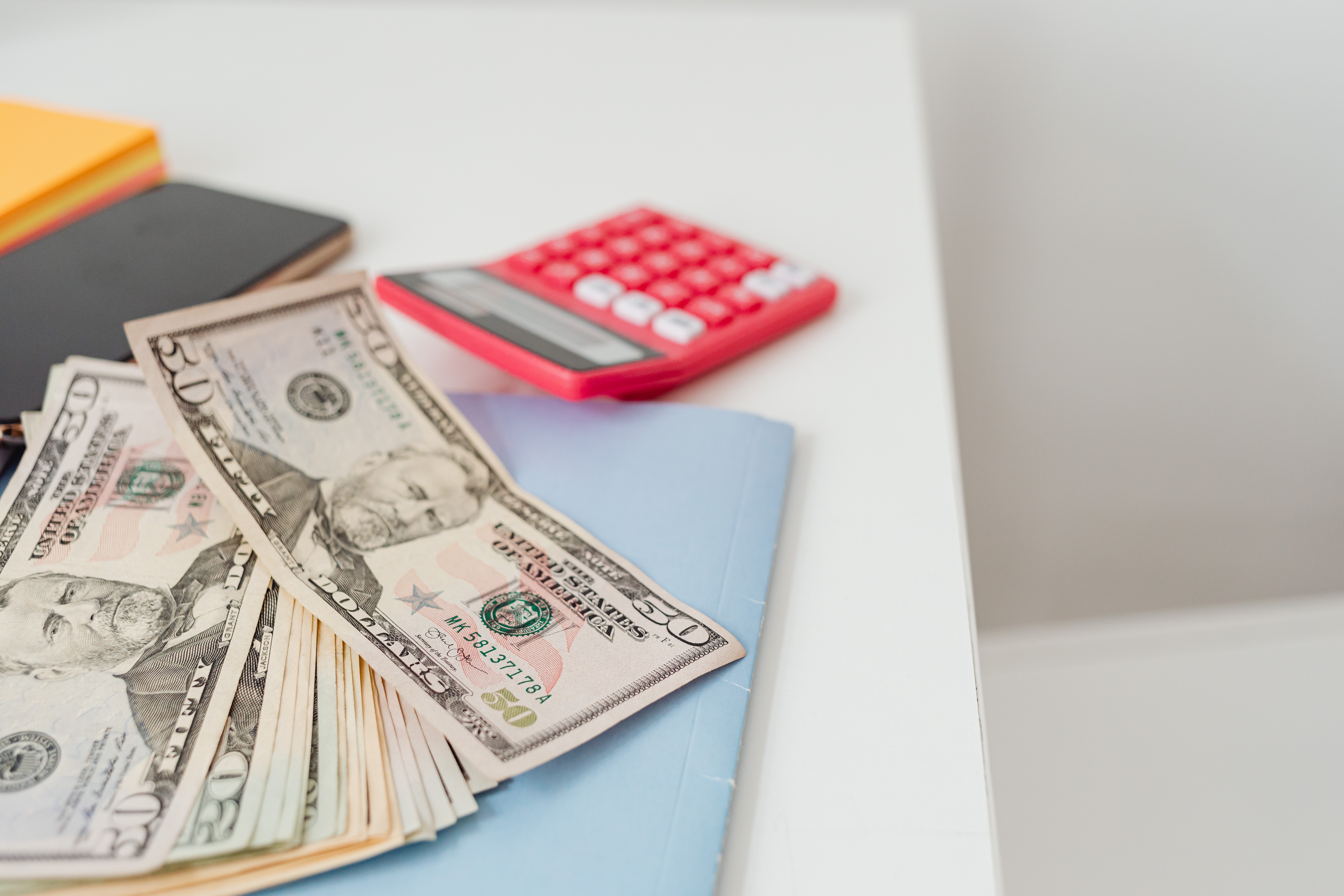
When sending money to The Bahamas, exchanging USD to BSD (Bahamian Dollar) at the best possible rate is crucial. Many travelers and remitters assume banks offer the fairest rates—but that’s often not the case. Banks typically charge higher margins and hidden fees, resulting in up to 3–5% less value received. Hotels may offer convenience but rarely competitive exchange rates. Their spreads are usually the widest—sometimes as high as 7–10%—and they rarely accept large amounts without prior notice or ID verification, making them impractical for remittance purposes. Specialized currency exchange bureaus, especially licensed and regulated ones with Bahamian Central Bank approval, consistently deliver tighter spreads and transparent, low-fee structures. Many also integrate directly with remittance platforms, enabling real-time USD-to-BSD conversion before disbursement—reducing volatility risk and settlement time. For remittance businesses and customers alike, partnering with a trusted provider that uses vetted exchange bureaus—not banks or hotels—ensures maximum value, regulatory compliance, and faster delivery. Look for providers disclosing mid-market rates plus a clear, flat fee. This transparency builds trust and boosts customer retention. Prioritize speed, security, and savings—because in cross-border payments, every cent counts.
How does inflation in the U.S. affect the BSD/USD peg?
U.S. inflation directly impacts the stability of the Bahamian Dollar (BSD)/USD peg—a cornerstone of the Bahamas’ monetary policy. Since the BSD is rigidly pegged at 1:1 to the U.S. dollar, the Central Bank of The Bahamas must maintain sufficient USD reserves and align its monetary stance with the Federal Reserve’s actions.When U.S. inflation rises, the Fed typically hikes interest rates to cool demand. Higher U.S. rates strengthen the dollar globally—and increase pressure on the BSD peg by raising the cost of maintaining parity, especially if Bahamian economic conditions (e.g., tourism revenue or fiscal deficits) weaken.For remittance businesses serving Bahamian recipients, this dynamic matters: volatile inflation can trigger tighter capital controls, reserve adjustments, or even subtle operational friction—like delayed settlements or temporary liquidity constraints at local banks. These may delay payouts or widen bid-ask spreads for customers converting USD to BSD.Stable U.S. inflation supports predictable exchange execution—critical for transparent, low-cost remittances. Conversely, persistent inflation erodes purchasing power in the Bahamas even with a fixed peg, indirectly affecting recipient welfare and remittance demand.Remittance providers should monitor U.S. CPI data and Fed policy signals closely. Partnering with licensed, well-capitalized Bahamian financial institutions helps ensure compliance and resilience amid macroeconomic shifts—keeping cross-border payments fast, fair, and fully USD-peg compliant.
About Panda Remit
Panda Remit is committed to providing global users with more convenient, safe, reliable, and affordable online cross-border remittance services。
International remittance services from more than 30 countries/regions around the world are now available: including Japan, Hong Kong, Europe, the United States, Australia, and other markets, and are recognized and trusted by millions of users around the world.
Visit Panda Remit Official Website or Download PandaRemit App, to learn more about remittance info.
Latest News