Routing Numbers vs Sort Codes vs Canadian Transit Numbers: A Global Guide
GPT_Global - 2026-06-24 12:33:22.0 62
Are routing numbers the same for wire transfers and direct deposits at the same bank?
When sending money domestically via wire transfers or setting up direct deposits, many customers wonder: *Are routing numbers the same for both at the same bank?* The short answer is: **Yes—typically, but with important caveats.** Most U.S. banks assign a single ABA routing number for all standard domestic transactions, including direct deposits (e.g., payroll or government benefits) and incoming domestic wires. However, some large financial institutions use *multiple routing numbers* based on geographic region or transaction type. For example, a bank may assign one routing number for ACH (direct deposit) and another for Fedwire (outgoing domestic wires). Always verify the correct number with your recipient’s bank—or consult their official website—to avoid processing delays or failed transfers. For remittance businesses, accuracy is critical. Using the wrong routing number can cause payment rejections, customer dissatisfaction, and compliance flags. We recommend integrating real-time routing number validation tools into your platform and training agents to confirm routing details before initiating any transfer. Remember: Routing numbers are not interchangeable with SWIFT/BIC codes (used for international wires) or account numbers. Double-checking ensures faster settlement, fewer reversals, and stronger trust with your users—key drivers of retention and growth in the competitive remittance space.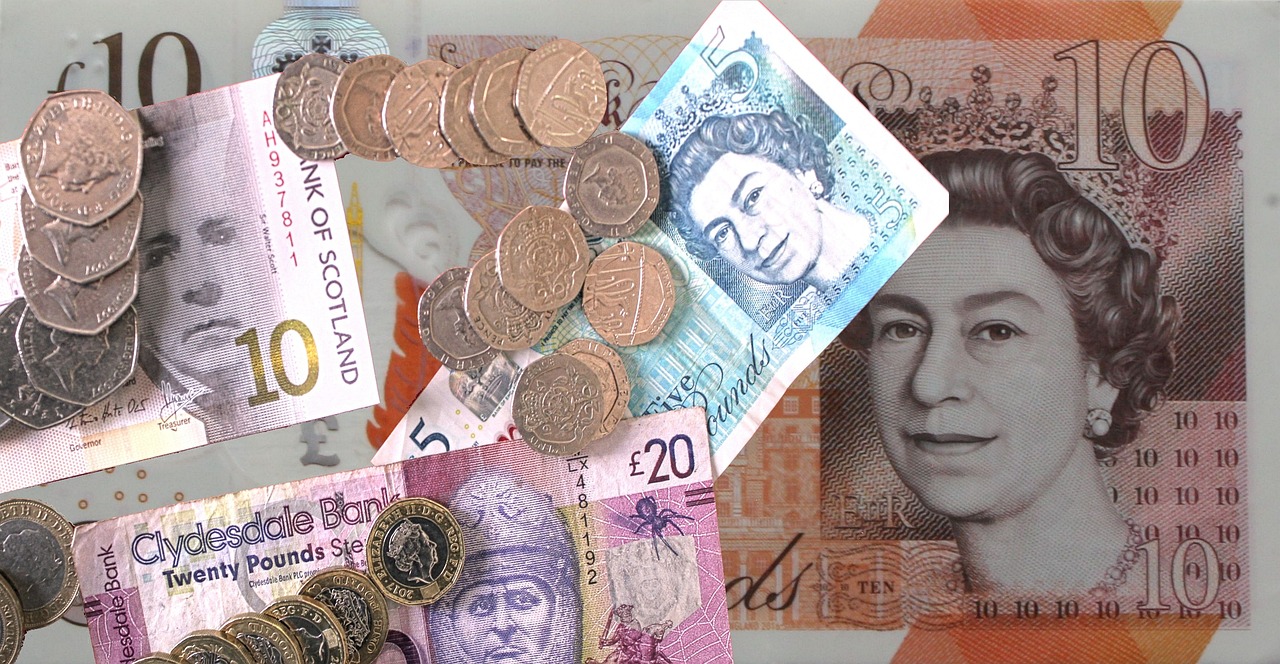
In Canada, what is the equivalent of the U.S. bank routing number on a cheque—and how many digits does it have?
When sending money to Canada from the U.S. or other countries, understanding Canadian banking identifiers is essential for fast, error-free remittances. Unlike the U.S. bank routing number (9 digits), Canada uses a **Transit Number**—also known as a branch number—to identify the specific financial institution branch. This number appears on cheques alongside the Institution Number and Account Number. The Canadian Transit Number is always **5 digits long**, and it’s typically printed to the left of the cheque number at the bottom, within the magnetic ink character recognition (MICR) line. It works in tandem with the 3-digit Institution Number (e.g., 002 for TD Bank) to form a complete routing identifier—often referred to as the “routing number” in cross-border contexts, though technically distinct from the U.S. ABA routing number. For remittance businesses, correctly capturing the 5-digit Transit Number—and verifying it against the recipient’s bank and Institution Number—is critical to prevent payment delays or rejections. Many digital remittance platforms now auto-validate these fields using Canadian banking databases, enhancing accuracy and compliance. Staying precise with Canadian banking codes builds trust with customers and reduces operational friction. Whether you’re integrating APIs or training support teams, prioritizing clarity around the 5-digit Transit Number ensures smoother, more reliable international transfers to Canadian recipients.How does the UK sort code differ from the U.S. routing number in structure and usage?
Understanding banking identifiers is crucial for seamless international remittances—especially when sending money to or from the UK and U.S. The UK sort code and U.S. routing number serve similar purposes but differ significantly in structure and usage. A UK sort code is a six-digit number, typically formatted as three pairs (e.g., 12-34-56), uniquely identifying a specific bank branch. It’s used alongside an account number for domestic GBP transfers via BACS, Faster Payments, or CHAPS. In contrast, the U.S. routing number is a nine-digit code assigned to financial institutions by the ABA, used for ACH transfers, wire payments, and cheque processing. While both codes route funds to the correct institution, the UK sort code pinpoints the *branch*, whereas the U.S. routing number identifies the *bank*—not the branch. This distinction matters for remittance businesses: incorrect sort codes cause failed UK transfers, while wrong routing numbers delay or reject U.S. payments. For compliance and speed, remittance providers must validate these codes in real time—leveraging APIs that cross-check against official databases like Pay.UK or the ABA’s routing directory. Accurate code handling reduces friction, lowers return rates, and builds customer trust across transatlantic corridors.Why do some U.S. banks have multiple routing numbers—and what determines which one appears on a check?
U.S. banks often maintain multiple routing numbers to support different operational needs—such as geographic regions, account types (e.g., wire transfers vs. ACH), or legacy systems from mergers. For remittance businesses, understanding this nuance is critical: using the wrong routing number can delay cross-border payments or trigger costly reprocessing fees. The routing number printed on a check is typically the one assigned to the branch where the account was opened—or the one tied to the specific deposit product (e.g., personal checking vs. business savings). It’s not always the same as the bank’s wire or ACH routing number, which may differ for regulatory, compliance, or settlement efficiency reasons. For international money transfers, remittance providers must verify the correct routing number based on the transaction type and destination. Sending funds via ACH requires the ACH-specific routing number; wires demand the wire routing number—even if both belong to the same bank. Confusing them risks rejection by the Federal Reserve or receiving bank. Always confirm routing details directly with the recipient’s bank or via official bank documentation—not just the check. At [YourRemitBrand], we auto-validate routing numbers in real time to ensure fast, compliant U.S. payouts. Accurate routing means faster settlements, lower fees, and happier recipients.Can a routing number indicate whether an account is held at a credit union versus a commercial bank?
When sending money internationally or domestically via remittance services, understanding routing numbers is essential—but can they reveal whether an account is at a credit union or a commercial bank? The short answer is no. Routing numbers (also known as ABA numbers) are nine-digit codes assigned by the American Bankers Association to identify financial institutions for check clearing and electronic transfers. Both federally insured credit unions and commercial banks receive unique routing numbers through the same official registry. While routing numbers don’t encode institutional type, subtle clues may hint at the institution’s nature—such as the first two digits (01–12 typically indicate Federal Reserve Banks, while 21–32 often point to thrifts or credit unions). However, these patterns aren’t definitive or consistently enforced. Relying on routing numbers alone to distinguish credit unions from banks introduces risk and potential processing errors in remittance workflows. For remittance providers, accurate beneficiary verification requires additional data—like institution name, account type, and regulatory status (e.g., NCUA vs. FDIC insurance). Integrating real-time bank lookup APIs or leveraging standardized identifiers like BIC/SWIFT for cross-border transfers enhances compliance and reduces failed transactions. Always confirm institution details directly with the sender or through trusted banking databases—not routing numbers alone.
About Panda Remit
Panda Remit is committed to providing global users with more convenient, safe, reliable, and affordable online cross-border remittance services。
International remittance services from more than 30 countries/regions around the world are now available: including Japan, Hong Kong, Europe, the United States, Australia, and other markets, and are recognized and trusted by millions of users around the world.
Visit Panda Remit Official Website or Download PandaRemit App, to learn more about remittance info.
Latest News


2026-10-25 14:36