Brazil’s Real (BRL): From Réis to Pix—A History and Future of Brazil’s Currency
GPT_Global - 2026-07-22 15:04:12.0 18
How does commodity price volatility (e.g., iron ore, soy, oil) influence the real’s external value?
Commodity price volatility—especially in key exports like iron ore, soybeans, and oil—significantly impacts Brazil’s real (BRL) external value. As a commodity-driven economy, Brazil’s trade balance and foreign exchange inflows fluctuate with global prices. When iron ore or soy prices surge, export revenues rise, strengthening the real against major currencies like the USD. Conversely, sharp oil or agricultural price drops weaken export earnings, triggering BRL depreciation. This volatility directly affects remittance senders and recipients. A weakening real increases the BRL amount received from fixed USD remittances—boosting purchasing power for families in Brazil. However, unpredictable swings also create uncertainty: senders may delay transfers anticipating better rates, while recipients face inconsistent income values month-to-month. For remittance businesses, understanding commodity-linked FX trends is critical. Real-time monitoring of commodity indices helps optimize pricing, hedge currency risk, and offer timely rate alerts. Platforms that explain how iron ore or soy price shifts influence BRL can build trust and improve customer engagement—especially among diaspora workers sending money home. Staying ahead of commodity cycles isn’t just macroeconomic insight—it’s practical value for remittance users. By linking global market dynamics to local BRL outcomes, your service becomes more transparent, reliable, and indispensable.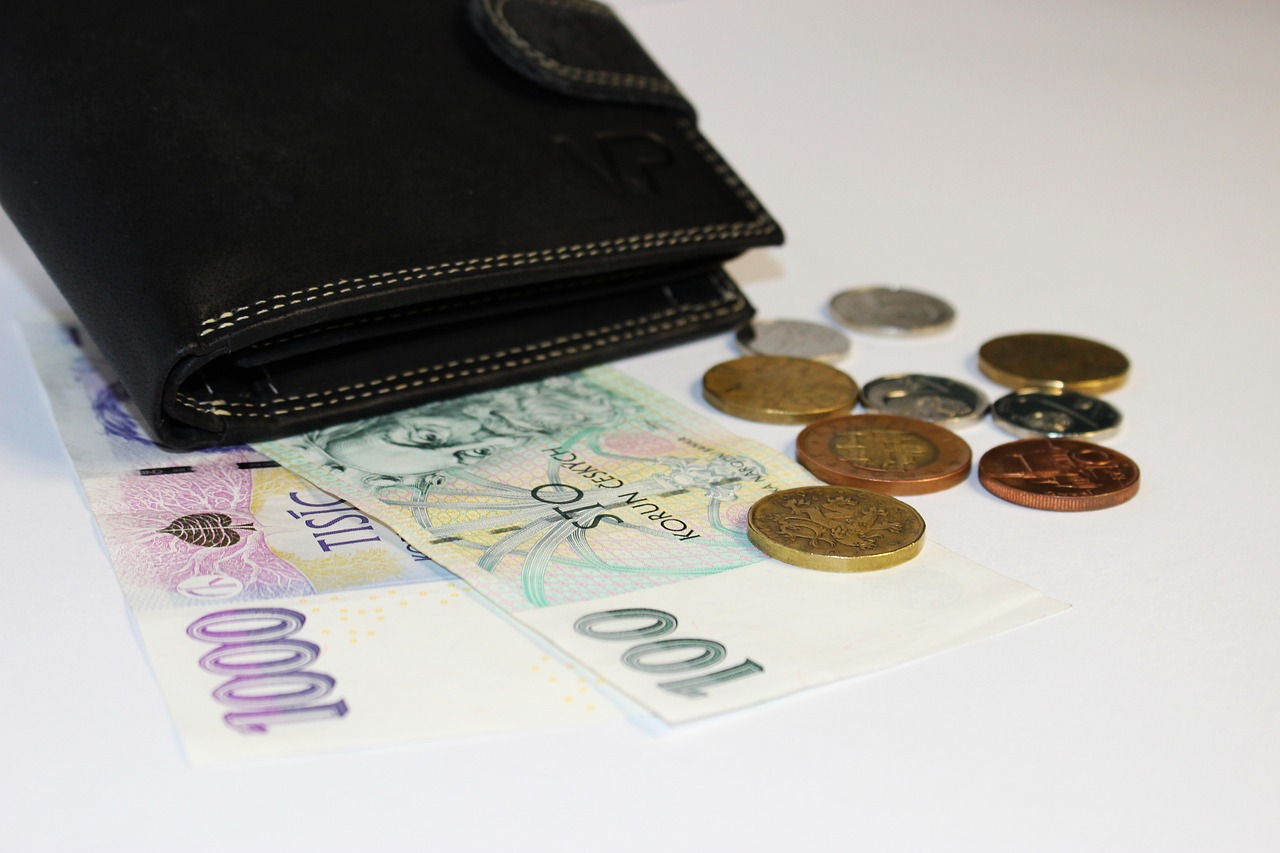
What is the difference between “real” (currency) and “réis” (historical currency), and when was réis officially discontinued?
Understanding Brazil’s currency history is essential for remittance businesses operating across borders. The “réis” was Brazil’s official currency from colonial times until 1942, used in denominations like *mil-réis* (one thousand réis) and *contos de réis* (one million réis). Its complex decimal structure made transactions cumbersome—especially for international transfers requiring precise conversions. In 1942, the Brazilian government officially replaced the réis with the *cruzeiro*, marking the end of the réis era. This reform aimed to modernize the financial system and stabilize inflation. Since then, Brazil has adopted several successor currencies—including cruzeiro novo, cruzado, and ultimately the current *real* (BRL), introduced in 1994 as part of the Plano Real economic stabilization program. Today’s *real* (plural: *reais*) is a decimalized, stable currency pegged to transparent monetary policies—making it ideal for fast, low-fee remittances. Unlike the obsolete réis, the real supports real-time FX conversion, digital wallets, and instant bank deposits—all critical for cross-border payout efficiency. For remittance providers, clarity on this transition ensures accurate historical reference in compliance documentation and customer education. Highlighting the real’s reliability versus the discontinued réis reinforces trust and positions your service as both historically informed and technologically current—key differentiators in competitive emerging markets.Are there commemorative banknotes or coins issued by Brazil—and what themes or events do they mark?
Brazil’s Central Bank and the Brazilian Mint (Casa da Moeda) regularly issue commemorative banknotes and coins to honor pivotal national milestones, cultural icons, and historical events—making them meaningful keepsakes for Brazilians abroad and recipients of remittances. These collectibles often feature themes like independence anniversaries, environmental conservation (e.g., the Amazon), Afro-Brazilian heritage, Olympic Games, and centenaries of influential figures such as Zumbi dos Palmares or poet Castro Alves. For remittance senders—especially those in the U.S., Europe, or Japan—sending commemorative currency alongside funds adds a personal, patriotic touch. Recipients can cherish these limited-edition notes and coins not only as monetary value but also as symbols of shared identity and pride. Many remittance platforms now offer options to include digital greetings referencing these themes, enhancing emotional connection. Notably, Brazil’s 2022 commemorative R$10 polymer banknote marked 200 years of independence, while special coins have celebrated UNESCO World Heritage sites like Brasília and Ouro Preto. Such releases often coincide with peak remittance periods—like holidays or national celebrations—creating timely opportunities for targeted messaging. Understanding Brazil’s commemorative currency helps remittance businesses tailor culturally resonant campaigns, deepen customer engagement, and strengthen trust across the diaspora. Highlighting these stories turns every transfer into more than money—it becomes a gesture of memory, belonging, and celebration.How widely accepted are credit/debit cards and digital payments compared to cash in everyday BRL transactions?
When sending money to Brazil, understanding local payment preferences is essential for smooth, low-fee remittances. In everyday transactions priced in BRL (Brazilian Reais), cash remains widely used—especially among older adults and in rural or informal markets—but digital payments are surging rapidly. Credit and debit cards are broadly accepted in urban centers, supermarkets, malls, and mid-to-high-end restaurants. However, small vendors, street food stalls, and transportation services often prefer cash due to lower fees and simpler infrastructure. According to the Central Bank of Brazil, over 80% of Brazilians now hold at least one debit card, and card usage grew 12% YoY in 2023. Even more transformative is Pix—the instant, free, 24/7 real-time payment system launched in 2020. Pix now accounts for over 50% of all electronic transactions in Brazil, with adoption exceeding 160 million active users. Its ubiquity means remittance recipients can receive funds directly into their Brazilian bank account—and withdraw cash or pay bills instantly. For remittance businesses, prioritizing Pix integration dramatically improves speed, transparency, and cost-efficiency versus traditional card-based or cash pickup models. Offering recipients a choice between Pix, bank transfer, or cash pickup aligns with real-world BRL payment behavior—boosting trust and conversion rates.What is Pix, and how has this instant payment system transformed the use and circulation of the real?
Pix is Brazil’s revolutionary instant payment system, launched by the Central Bank of Brazil in 2020. Designed to enable real-time, 24/7 transfers between individuals, businesses, and government entities, Pix operates directly through participating financial institutions—bypassing traditional clearinghouses and card networks. For remittance businesses, Pix has dramatically accelerated cross-border and domestic fund flows. With near-zero transaction fees and settlement in under 10 seconds, it reduces operational costs and improves cash flow predictability—especially for migrant workers sending money home. Its QR code and key-based addressing (e.g., email, phone, CPF) simplifies recipient identification, cutting errors and delays common in legacy systems. Crucially, Pix has expanded financial inclusion: over 200 million Brazilians now use it, including unbanked users via digital wallets and fintechs. This broad adoption makes receiving remittances faster, safer, and more accessible—reducing reliance on expensive cash-based corridors or informal channels. Integrating Pix into your remittance platform isn’t just competitive—it’s strategic. By leveraging its API infrastructure and interoperability standards, providers can offer instant payout options in BRL, improve compliance transparency, and enhance customer trust. As Pix continues evolving—with features like scheduled payments and international linkages—the remittance industry must adapt to stay agile, compliant, and client-centric.
About Panda Remit
Panda Remit is committed to providing global users with more convenient, safe, reliable, and affordable online cross-border remittance services。
International remittance services from more than 30 countries/regions around the world are now available: including Japan, Hong Kong, Europe, the United States, Australia, and other markets, and are recognized and trusted by millions of users around the world.
Visit Panda Remit Official Website or Download PandaRemit App, to learn more about remittance info.
Latest News

2026-07-22 15:34


