US Dollars in Canada: What You Can and Can’t Do
GPT_Global - 2026-08-11 20:04:49.0 15
Can I use U.S. dollars to pay federal or provincial taxes in Canada?
When sending money to Canada, many U.S.-based senders wonder: “Can I use U.S. dollars to pay federal or provincial taxes in Canada?” The short answer is no—Canada Revenue Agency (CRA) and all provincial tax authorities require payments in Canadian dollars (CAD). Even if you’re remitting funds from the U.S., tax payments must be converted and settled in CAD before submission. This matters significantly for remittance businesses and their clients. If your recipient needs to settle tax obligations—such as income tax, GST/HST, or provincial levies—they’ll need CAD funds available in a Canadian bank account or via CRA-approved payment methods (e.g., pre-authorized debit, online banking, or certified cheques). Attempting to pay taxes directly in USD may result in rejection, delays, or costly foreign exchange fees imposed by financial institutions. Smart remittance providers offer competitive, transparent FX rates and fast CAD delivery—often within minutes—to help recipients meet tax deadlines without stress. Look for services with low margins, real-time rate locks, and integration with Canadian banking rails (like Interac e-Transfer®). Ensuring timely, accurate CAD conversion not only supports compliance but also builds trust and loyalty among cross-border customers.
Do Canadian car rental agencies accept U.S. cash for deposits or final payments — and do they convert on the spot?
Traveling from the U.S. to Canada? Many American drivers assume U.S. cash is widely accepted at Canadian car rental agencies—but that’s not always the case. While some major airport locations may accept U.S. dollars for deposits or final payments, most Canadian rental companies prefer CAD and often apply unfavorable on-the-spot exchange rates if they do accept USD. This unpredictability poses a challenge for U.S.-based travelers seeking transparent, cost-effective transactions. Hidden conversion fees—sometimes as high as 5–10%—can significantly inflate rental costs. For remittance businesses, this presents a clear opportunity: offering pre-paid CAD e-vouchers or multi-currency digital wallets lets customers lock in competitive FX rates *before* travel, avoiding last-minute markups. By integrating with rental platforms or providing QR-based CAD top-ups at border crossings, remittance providers can position themselves as essential travel finance partners. Emphasizing real-time rate transparency, zero hidden fees, and instant CAD availability builds trust and drives conversions—especially among frequent cross-border renters. Ultimately, turning a common pain point—unreliable cash conversion—into a seamless, value-added service strengthens customer loyalty and differentiates your remittance brand in a competitive market.What happens if I try to deposit a U.S. dollar check into a Canadian bank account?
Depositing a U.S. dollar check into a Canadian bank account is possible—but not straightforward. Most Canadian banks accept USD checks, yet they treat them as foreign instruments, triggering additional processing steps, fees, and delays. First, your bank will likely convert the check to CAD using its own exchange rate—often less favorable than mid-market rates—and charge a foreign currency conversion fee (typically 1–3%). Plus, there’s usually a per-check fee ($10–$25) and an extended hold period (up to 10–15 business days) while the check clears through the U.S. banking system. For frequent or larger deposits, this method becomes costly and inefficient. Remittance specialists offer faster, cheaper alternatives: digital USD-to-CAD transfers with transparent FX rates, low flat fees, and same-day or next-business-day settlement—directly into your Canadian account. Whether you’re receiving payments from U.S. clients, family, or employers, choosing a licensed remittance provider over traditional check depositing saves time, money, and uncertainty. Many services integrate seamlessly with Canadian banking apps and provide real-time tracking and customer support. Before your next USD payment arrives, compare options. A smart remittance solution delivers better value—and peace of mind—than waiting weeks for a paper check to clear.Are U.S. $1 and $2 bills treated differently than higher denominations (e.g., $20, $100) at Canadian merchants?
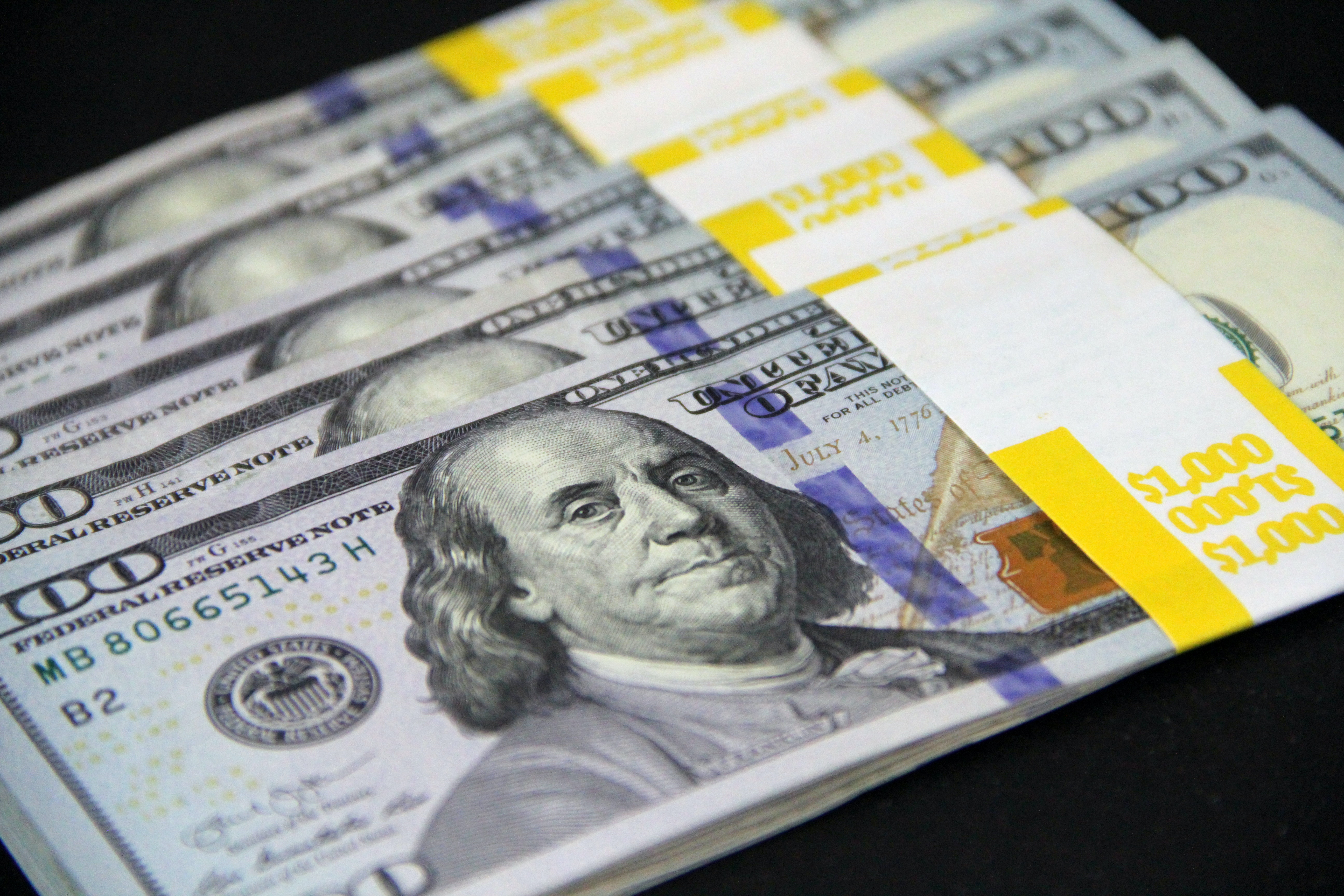
When sending money from the U.S. to Canada, many customers wonder whether U.S. $1 and $2 bills face special treatment at Canadian merchants. The short answer is yes—these low-denomination bills are often met with skepticism or outright refusal. Unlike widely accepted $20 or $100 bills, U.S. $1 and $2 notes lack widespread recognition in Canada and are frequently mistaken for counterfeits or novelty items. Canadian retailers, banks, and currency exchange services typically prioritize higher-value U.S. denominations due to efficiency, verification ease, and demand. Many cashiers won’t accept $1 or $2 bills without manager approval—and some businesses have formal policies against them altogether. This can delay or complicate cash-based remittance pickups, especially for recipients expecting physical U.S. dollars. For remittance businesses, this underscores the importance of guiding clients toward optimal payout methods. Recommending electronic transfers, prepaid cards, or exchanging larger U.S. bills (e.g., $20s) minimizes friction and improves customer satisfaction. Educating senders about Canadian merchant preferences builds trust and reduces support queries. Ultimately, understanding local currency acceptance nuances helps remittance providers deliver smoother, faster, and more reliable cross-border payments—turning potential hiccups into seamless experiences.Do Canadian hotels charge resort or conversion fees when you pay with U.S. cash?
Traveling to Canada with U.S. cash? Many U.S. travelers assume they can simply hand over American dollars at Canadian hotels—only to be surprised by unexpected fees. While most Canadian hotels *accept* U.S. cash, many impose a “conversion fee” or “foreign currency surcharge,” typically ranging from 3% to 10%, on top of the daily exchange rate. Some resorts and boutique properties also add a flat “resort fee,” unrelated to currency—but confusion often arises when both appear on the bill. These fees aren’t standardized—and aren’t always disclosed upfront. Unlike credit card transactions (which may include dynamic currency conversion charges), cash payments lack transparent FX rates, leaving guests vulnerable to unfavorable conversions. For remittance businesses, this highlights a key opportunity: helping clients send CAD directly to Canadian vendors—or providing locked-in, low-fee USD-to-CAD conversions before travel. By offering real-time mid-market exchange rates and transparent fee structures, remittance services empower travelers to avoid hotel-imposed markups. Pre-loading CAD onto travel cards or scheduling direct bank transfers eliminates last-minute currency hassles—and builds trust. In fact, customers who use remittance platforms for travel funds report up to 40% lower effective costs than paying with U.S. cash at hotels.Can I use U.S. dollars to buy tickets for public transit (e.g., Toronto TTC, Montreal STM)?
Traveling through Canada’s major cities? If you’re sending money from the U.S. or carrying USD, you might wonder: *Can I use U.S. dollars to buy tickets for public transit like Toronto’s TTC or Montreal’s STM?* The short answer is **no**—both systems require payment in Canadian dollars (CAD). TTC vending machines and fare gates only accept CAD coins, bills, credit/debit cards (charged in CAD), or PRESTO cards loaded with CAD. Similarly, STM ticket kiosks and buses operate exclusively in CAD—USD cash isn’t accepted, and card transactions are automatically converted at the issuer’s exchange rate, often with added fees. This matters for remittance customers: if you’re sending funds to family or friends in Canada for daily expenses—including transit—you’ll maximize value by converting USD to CAD *before* transfer. Using a trusted remittance service with transparent FX rates and low fees ensures recipients get more usable CAD—not less due to poor conversion or hidden charges. Opt for remittance providers offering direct CAD deposits to Canadian bank accounts or mobile wallets. That way, your loved ones can reload transit cards, pay fares, or manage daily costs without currency hassles—or surprise fees at the turnstile.Are U.S. dollar bills with older designs (e.g., pre-2004 series) still accepted in Canada?
U.S. dollar bills with older designs—such as pre-2004 series notes—are still legally valid and accepted in Canada, but acceptance depends on the merchant or financial institution. While the Bank of Canada does not regulate foreign currency validity, most Canadian banks and money service businesses (MSBs) will accept older U.S. bills if they’re genuine, undamaged, and clearly legible. However, many retailers and smaller exchange kiosks may refuse pre-2004 notes due to unfamiliarity with older security features or concerns about counterfeiting. The 2004–2006 redesign introduced enhanced anti-counterfeit measures—including watermarks, color-shifting ink, and embedded security threads—making newer notes easier to verify. For remittance businesses, this matters: clients sending or receiving older U.S. cash may face delays or rejection at pickup locations. Proactively advising customers to use post-2004 series notes—or encouraging digital transfers—reduces friction, improves customer satisfaction, and minimizes operational hiccups. At [Your Remittance Business], we accept all genuine U.S. dollars regardless of series—but recommend using newer bills for faster, hassle-free cash pickups across Canada. We also offer competitive USD-to-CAD exchange rates with real-time tracking and low fees—ensuring your money moves securely and efficiently.
About Panda Remit
Panda Remit is committed to providing global users with more convenient, safe, reliable, and affordable online cross-border remittance services。
International remittance services from more than 30 countries/regions around the world are now available: including Japan, Hong Kong, Europe, the United States, Australia, and other markets, and are recognized and trusted by millions of users around the world.
Visit Panda Remit Official Website or Download PandaRemit App, to learn more about remittance info.
Latest News

2026-08-11 20:34
2026-08-11 20:34

2026-08-11 20:34
