Cancún Currency Guide: Exchange Rates, DCC Fees, Regulations & Smart Conversion Tips
GPT_Global - 2026-08-21 04:01:06.0 122
Do credit card purchases in Cancún automatically use the Visa/Mastercard wholesale exchange rate—or is a dynamic currency conversion (DCC) fee applied?
Travelers heading to Cancún often wonder: Do credit card purchases automatically use Visa or Mastercard’s wholesale exchange rate—or are hidden fees sneaking in? The answer is critical for cost-conscious remittance senders and recipients alike. While Visa and Mastercard typically apply their competitive wholesale (interbank) rates, many merchants—especially in tourist-heavy zones like Cancún—offer Dynamic Currency Conversion (DCC). DCC lets you pay in your home currency, but it adds markups of 3–7% on top of the base rate. This matters deeply for remittance businesses: clients sending funds for family vacations or local expenses may unknowingly overpay if they accept DCC at point-of-sale terminals. Unlike transparent remittance platforms that lock in mid-market rates with clear, upfront fees, DCC lacks regulation and transparency. Always decline DCC when prompted—and look for the “Charge in MXN” option to ensure your transaction benefits from Visa/Mastercard’s standard wholesale rate. Smart remittance providers educate users on this distinction, helping them avoid unnecessary currency conversion costs. By choosing services that bypass DCC entirely—and instead route payments through regulated, low-fee corridors—you preserve more value for beneficiaries. In Cancún’s vibrant economy, every percentage point saved strengthens financial inclusion and trust. Partner with remittance solutions built on real-time, interbank-rate execution—not opaque, merchant-driven conversions.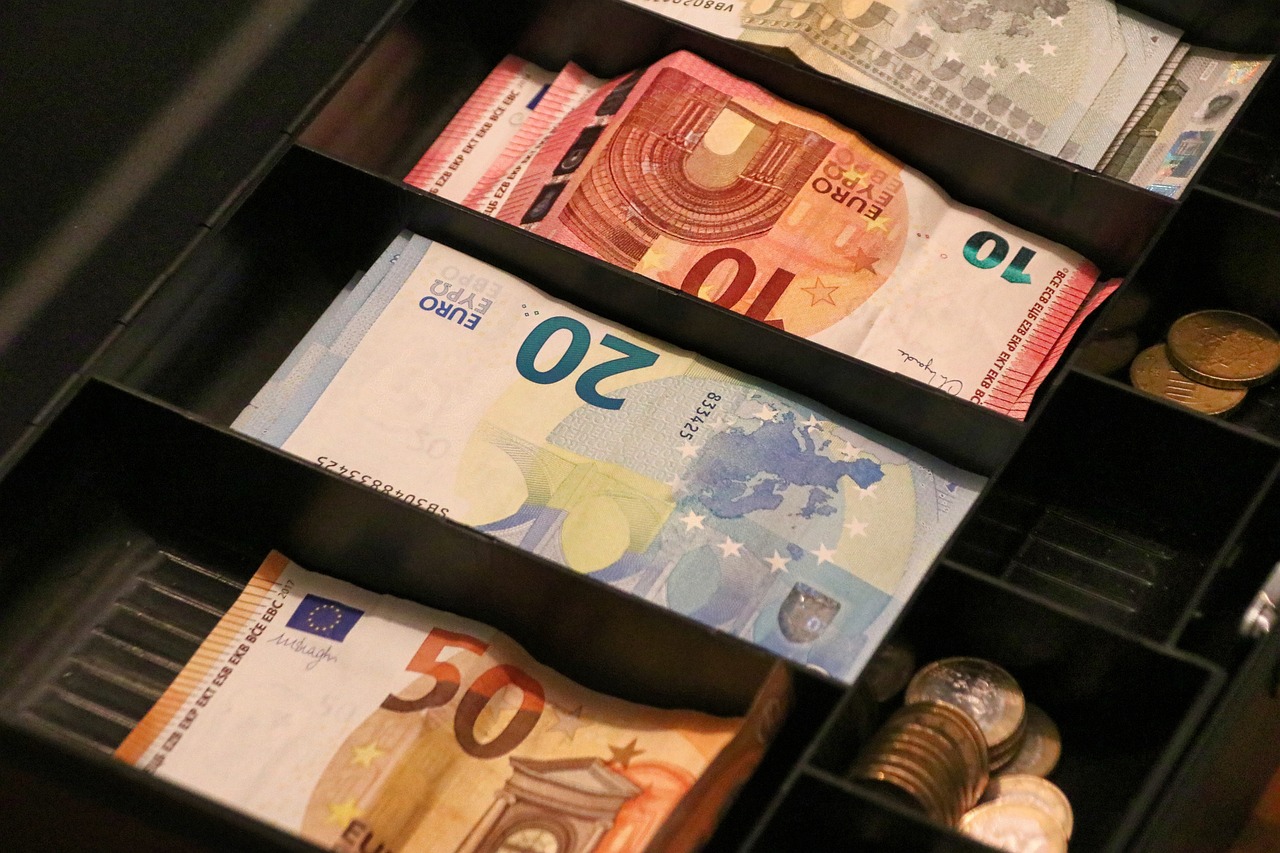
What documentation is required to exchange currency at authorized institutions in Cancún?
Planning a trip to Cancún? Before exchanging currency at authorized institutions—such as banks, exchange houses (casas de cambio), or airport kiosks—you’ll need proper documentation. Mexican law requires identity verification for all foreign exchange transactions to comply with anti-money laundering (AML) regulations. Most authorized institutions require a valid government-issued photo ID: a passport is strongly preferred, especially for non-residents. Some may accept national ID cards or driver’s licenses—but acceptance varies by location and institution. Always carry your original document; photocopies or digital versions are typically not accepted. For larger exchanges (usually over USD $1,500 or equivalent), additional documentation may apply—including proof of source of funds or travel itinerary. While smaller amounts often only need ID, staying compliant helps avoid delays or transaction denials. Authorized providers like Banorte, HSBC Mexico, or reputable casas de cambio in downtown Cancún or the Hotel Zone offer transparent rates and secure services. Pro tip: Avoid street vendors or unlicensed operators—only use institutions displaying the “Autorizado por la CNBV” seal. For faster, safer, and often more cost-effective alternatives, consider sending remittances digitally via licensed remittance providers before arrival. They offer competitive exchange rates, real-time tracking, and regulatory compliance—all while reducing cash-handling risks.Are there any local regulations requiring exchange houses in Cancún to publicly display their rates?
When sending money to Mexico—especially to popular tourist destinations like Cancún—understanding local regulatory requirements is essential for transparency and consumer protection. One common question among remittance users is whether exchange houses in Cancún must publicly display their exchange rates. Yes, under Mexico’s National Banking and Securities Commission (CNBV) guidelines and the country’s Financial Inclusion Law, licensed exchange houses (casas de cambio) are legally required to visibly post their buying and selling rates for major currencies—including USD, EUR, and MXN—at their physical locations. This regulation ensures price transparency and helps prevent deceptive practices. In Cancún, where tourism drives high demand for currency exchange, compliance is strictly monitored by local authorities and the CNBV. Failure to display rates can result in fines or license suspension. Reputable remittance providers partnering with authorized exchange houses in Cancún adhere to these rules—and often go further by publishing real-time rates online and offering fee-free, mid-market-rate transfers. For senders, choosing a regulated, transparent service means better value, no hidden fees, and faster, more secure transactions. Always verify that your remittance partner works with CNBV-licensed entities in Cancún—and check for clear, up-to-date rate displays before exchanging or receiving funds.Do Canadian dollars (CAD) or euros (EUR) yield more favorable exchange rates than USD when converted to MXN in Cancún?
Travelers sending money to Mexico often wonder which currency offers the best value when converting to Mexican pesos (MXN) in Cancún. While USD is widely accepted, using Canadian dollars (CAD) or euros (EUR) can sometimes yield more favorable exchange rates—depending on local bank policies, fees, and real-time forex spreads. In Cancún, many exchange houses and banks apply dynamic rates influenced by liquidity, demand, and operational costs. Historically, EUR-to-MXN conversions often benefit from tighter spreads due to strong eurozone-Mexico trade ties, while CAD may offer competitive rates during periods of low USD volatility or favorable Bank of Canada–Banxico alignment. However, relying solely on spot rates is misleading: hidden fees, commission charges, and poor mid-market rate adoption frequently erode savings. Remittance businesses that lock in transparent, mid-market rates—regardless of sender’s origin currency—deliver superior value than traditional exchange booths. For Canadians and Europeans sending funds to family in Cancún, choosing a regulated remittance provider with CAD→MXN or EUR→MXN direct corridors avoids double conversion (e.g., CAD→USD→MXN), preserving up to 4–7% more in recipient value. Always compare total cost—not just the headline rate—and prioritize speed, security, and MXN delivery directly to local bank accounts or cash pickup points across Quintana Roo. Smart currency choice starts with transparency—not geography.Is it safer or more cost-effective to exchange money before arriving in Cancún versus doing so upon arrival?
Planning your trip to Cancún? Many travelers wonder whether it’s safer or more cost-effective to exchange money before arrival—or wait until they land. For remittance businesses, understanding this decision helps us advise clients wisely. Exchanging currency before departure offers predictability: you lock in known rates and avoid airport kiosks with steep fees (often 10–15% above mid-market). However, carrying large cash amounts poses security risks and may incur bank fees for foreign transactions. Upon arrival, ATMs and local banks typically offer better rates than airport booths—but not all cards work reliably in Mexico, and some international withdrawals trigger high fees. Plus, informal street exchanges are unsafe and illegal. For maximum safety and value, consider a hybrid approach: exchange a small amount pre-trip for immediate expenses, then use a low-fee remittance service or partnered Mexican bank ATM for larger needs. Our platform provides real-time FX rates, zero hidden fees, and secure transfers directly to Mexican bank accounts—often cheaper and faster than physical exchanges. With transparent pricing, regulatory compliance, and local payout partnerships, digital remittance solutions outperform traditional exchange methods—giving travelers peace of mind, better rates, and full traceability. Start your next Cancún trip smarter: skip the queues, avoid markup traps, and send funds securely before you go.How do unofficial or street-level currency exchanges in Cancún compare legally and financially to licensed providers?
Unofficial or street-level currency exchanges in Cancún operate outside Mexico’s regulatory framework, posing significant legal and financial risks for remittance senders. Unlike licensed providers—authorized by Mexico’s National Banking and Securities Commission (CNBV) and compliant with anti-money laundering (AML) laws—unlicensed operators lack oversight, insurance, and dispute resolution mechanisms.Financially, street exchanges may advertise attractive rates but often hide fees, offer inconsistent quotes, or provide counterfeit or short-weighted pesos. Licensed remittance businesses, by contrast, disclose all fees transparently, guarantee exchange rate locks, and protect funds through regulated banking channels.Using unregulated services also jeopardizes sender and recipient rights: transactions are untraceable, receipts are unofficial, and recourse is virtually nonexistent if funds disappear. Licensed providers integrate with global compliance standards (e.g., FATF guidelines), ensuring secure, auditable transfers that meet both Mexican and U.S./Canadian remittance regulations.For travelers and migrant workers sending money home from Cancún, choosing a CNBV-registered provider means reliability, real-time tracking, competitive FX rates, and full consumer protection. Always verify licensing via the CNBV’s public registry before exchanging or sending money. Trust, transparency, and legality aren’t luxuries—they’re essentials in today’s remittance landscape.
About Panda Remit
Panda Remit is committed to providing global users with more convenient, safe, reliable, and affordable online cross-border remittance services。
International remittance services from more than 30 countries/regions around the world are now available: including Japan, Hong Kong, Europe, the United States, Australia, and other markets, and are recognized and trusted by millions of users around the world.
Visit Panda Remit Official Website or Download PandaRemit App, to learn more about remittance info.
Latest News


2026-10-06 21:35

2026-10-06 21:35

2026-10-06 21:35