How to Open a Checking Account with ChexSystems, ITIN, or Mobile-Only Banks
GPT_Global - 2026-09-14 11:33:29.0 97
Can I open a checking account if I have past overdrafts or account closures reported to ChexSystems?
Opening a checking account can be challenging if you have past overdrafts or involuntary account closures reported to ChexSystems—especially for individuals relying on remittance services to send money internationally. Many U.S. banks use ChexSystems reports to assess risk, and negative entries (e.g., unpaid fees or fraud-related closures) may lead to application denials. Luckily, several banks and credit unions offer “second-chance” checking accounts designed for people with ChexSystems flags. These accounts often waive minimum balance requirements, limit overdraft fees, and don’t require a ChexSystems review—or accept applicants despite adverse reports. Some even integrate seamlessly with remittance platforms, enabling fast, low-cost international transfers directly from your account. If you're rebuilding financial access while regularly sending remittances, consider online-only banks or community-focused institutions that prioritize financial inclusion. Always ask whether the account supports ACH transfers, debit card usage abroad, and compatibility with top remittance apps like Wise, Remitly, or WorldRemit. Pro tip: Request your free ChexSystems report annually to verify accuracy—and dispute errors that could unfairly block your banking access. With the right second-chance account, you can securely manage funds and continue supporting loved ones overseas without interruption.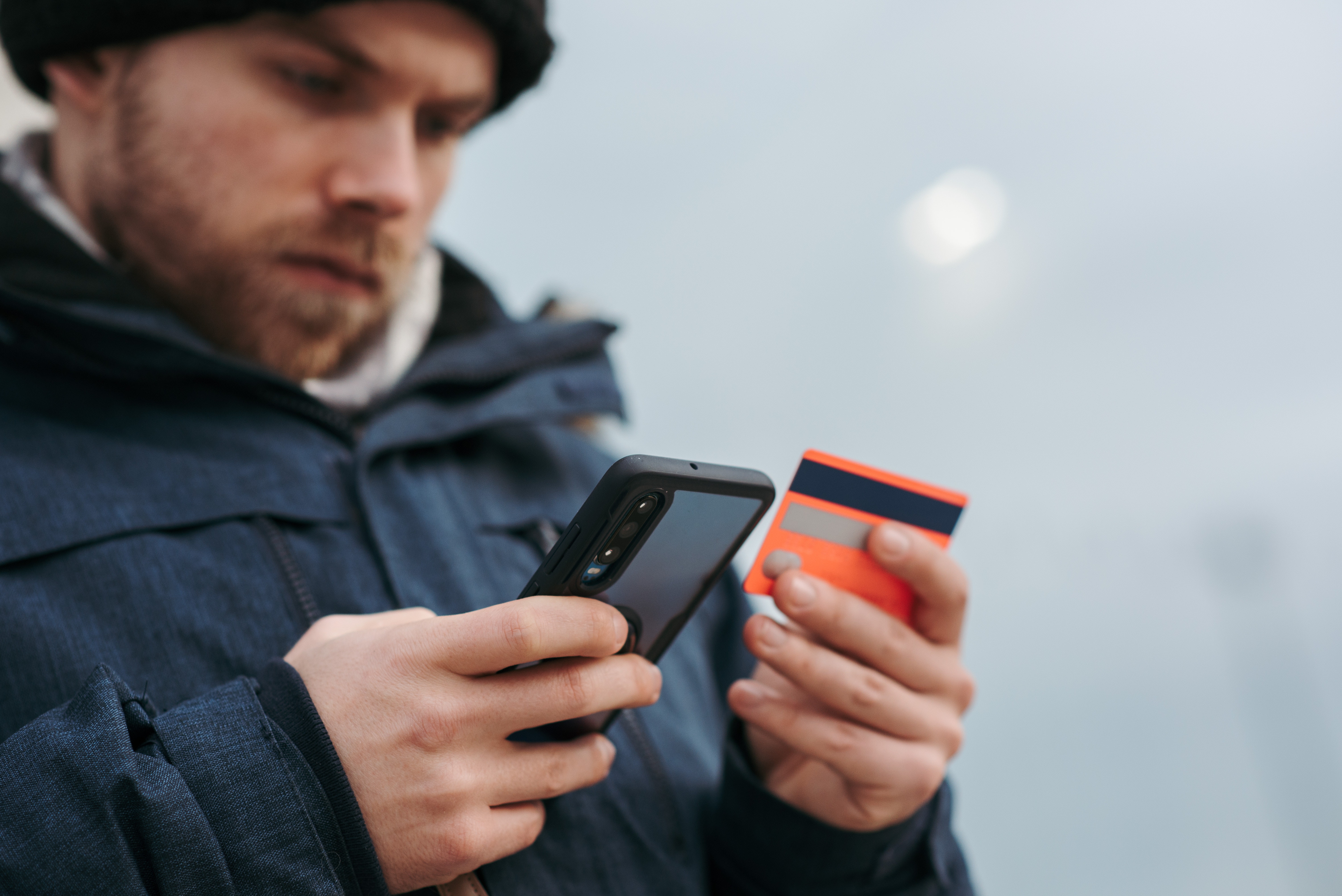
Do credit unions have different requirements than traditional banks for opening a checking account?
Yes, credit unions often have different requirements than traditional banks for opening a checking account—especially important for remittance users seeking low-cost, member-focused financial services. While banks typically require higher minimum deposits and stricter ID verification, many credit unions accept lower or no initial deposits and prioritize community residency or employer-based eligibility over stringent credit checks. For international remittance senders, this flexibility can mean faster onboarding and access to accounts with no monthly fees or low overdraft charges—key advantages when managing cross-border transfers. Credit unions also frequently offer competitive foreign transaction rates and partnerships with global payout networks, helping customers avoid hidden FX markups common at big banks. However, eligibility remains a key difference: most credit unions require membership (e.g., through employment, geography, or association), whereas banks are open to anyone with valid ID and documentation. Remittance businesses should guide clients toward credit unions that serve their demographic—and highlight those offering digital onboarding, instant account numbers, and integrated remittance platforms. Ultimately, choosing between a credit union and bank depends on your client’s priorities: lower fees and personalized service (credit union) versus broader ATM access and brand familiarity (bank). For cost-conscious remittance users, credit unions often deliver better long-term value—making them a smart recommendation in your financial inclusion toolkit.Is a Social Security Number always required—or can an ITIN be used instead?
When sending money internationally, many customers wonder: “Is a Social Security Number (SSN) always required—or can an Individual Taxpayer Identification Number (ITIN) be used instead?” For remittance businesses, clarity on this point is essential to serve diverse clients, including undocumented immigrants and non-resident aliens. While U.S. financial institutions often require identity verification for anti-money laundering (AML) compliance, an SSN is not the only acceptable identifier. The IRS-issued ITIN—designed for tax reporting purposes—is widely accepted by reputable remittance providers as an alternative form of identification. Using an ITIN helps expand financial inclusion, allowing more individuals to access secure, compliant cross-border transfers without an SSN. However, requirements vary by provider and destination country; some corridors may still request additional documentation like a government-issued photo ID or proof of address. At [Your Remittance Business], we accept both SSNs and ITINs for account setup and transaction verification—ensuring faster onboarding and uninterrupted service. Our KYC process is streamlined, transparent, and fully compliant with FinCEN and OFAC regulations. Need to send money but don’t have an SSN? You’re not alone—and you’re still eligible. Contact us today to learn how an ITIN can help you transfer funds safely, affordably, and legally.What proof of address is commonly accepted (e.g., utility bill, lease agreement, bank statement)?
When sending money internationally through a remittance service, verifying your identity is essential—and proof of address plays a key role. Most reputable providers require recent, official documents to confirm where you live. Commonly accepted proofs include utility bills (electricity, water, or gas) issued within the last three months, signed lease or rental agreements, and bank or credit card statements bearing your name and current address. Government-issued documents like a driver’s license or national ID card may also serve as dual-purpose verification—confirming both identity and residence—if the address is clearly listed and up to date. Avoid using mail-forwarded documents, handwritten letters, or unofficial printouts, as these are typically rejected during compliance checks. Why does this matter? Anti-money laundering (AML) and Know Your Customer (KYC) regulations mandate strict address verification to prevent fraud and ensure transparency. Submitting valid, legible, and unexpired documents speeds up processing—often enabling same-day transfers. Always check your remittance provider’s specific requirements before uploading; policies can vary slightly by country or platform. For seamless, secure, and fast cross-border payments, keep your proof of address updated and readily accessible. Choosing a licensed remittance business that prioritizes regulatory compliance helps protect your funds and personal data—every time you send money abroad.Can I open a checking account using only a mobile phone—no desktop or laptop computer?
Yes, you can absolutely open a checking account using only a mobile phone—no desktop or laptop required. Today’s leading digital banks and fintech-powered remittance providers offer fully mobile-first onboarding experiences. With just a smartphone, a valid government-issued ID, and a few minutes of your time, you can complete identity verification, submit documents via camera, and e-sign agreements—all within a secure banking app. This seamless mobile account opening is especially valuable for remittance users who rely on fast, low-cost international transfers. Once your mobile-created checking account is active, you can instantly link it to your favorite remittance service—enabling same-day deposits, real-time FX rate locking, and direct bank-to-bank payouts abroad. No branch visits, no paperwork delays. Many remittance-focused neobanks even integrate instant account creation directly into their apps, letting you open a U.S.-domiciled checking account *and* set up international transfers in under five minutes. All steps comply with KYC and AML regulations—using AI-driven facial recognition and document authenticity checks performed entirely on-device. Whether you’re sending money home weekly or receiving cross-border payments, mobile-only account opening removes friction and expands financial inclusion. Start sending smarter—straight from your phone.
About Panda Remit
Panda Remit is committed to providing global users with more convenient, safe, reliable, and affordable online cross-border remittance services。
International remittance services from more than 30 countries/regions around the world are now available: including Japan, Hong Kong, Europe, the United States, Australia, and other markets, and are recognized and trusted by millions of users around the world.
Visit Panda Remit Official Website or Download PandaRemit App, to learn more about remittance info.
Latest News