30 Essential USD to EUR Conversion Questions and Smart Exchange Tips
GPT_Global - 2026-10-10 23:06:24.0 31
Here are **30 unique, non-repeated, and semantically distinct questions** related to **USD to EUR conversion**, covering practical, technical, contextual, educational, and real-world usage angles — all phrased as natural user queries:1. What is the current USD to EUR exchange rate?
Planning a money transfer from the US to Europe? Understanding the USD to EUR exchange rate is essential—not just for knowing how many euros you’ll receive, but for maximizing value and minimizing hidden costs. Unlike static prices, this rate fluctuates constantly due to market forces, central bank policies, and geopolitical events. Many remittance providers advertise “0% fees,” yet offer poor exchange rates—effectively charging you a markup of 3–5% or more. Always compare the mid-market rate (available on platforms like XE or Reuters) against your provider’s offered rate to uncover the real cost. Timing matters too: sending funds during overlapping US/EU market hours (8–12 AM EST) often yields tighter spreads. Consider using forward contracts or limit orders if you’re expecting large or recurring transfers—these tools help lock in favorable rates ahead of time. Also remember: banks often add additional processing fees, intermediary charges, and slow settlement times (2–5 business days), while specialized remittance services deliver faster, more transparent, and often cheaper alternatives—with full traceability and multi-currency account options. Whether you're supporting family, paying tuition, or managing cross-border business expenses, staying informed about the 30+ nuanced aspects—from volatility triggers to regulatory compliance (e.g., PSD2, OFAC checks)—empowers smarter, safer, and more cost-effective decisions. Start with real-time rate alerts and fee breakdowns before your next transfer.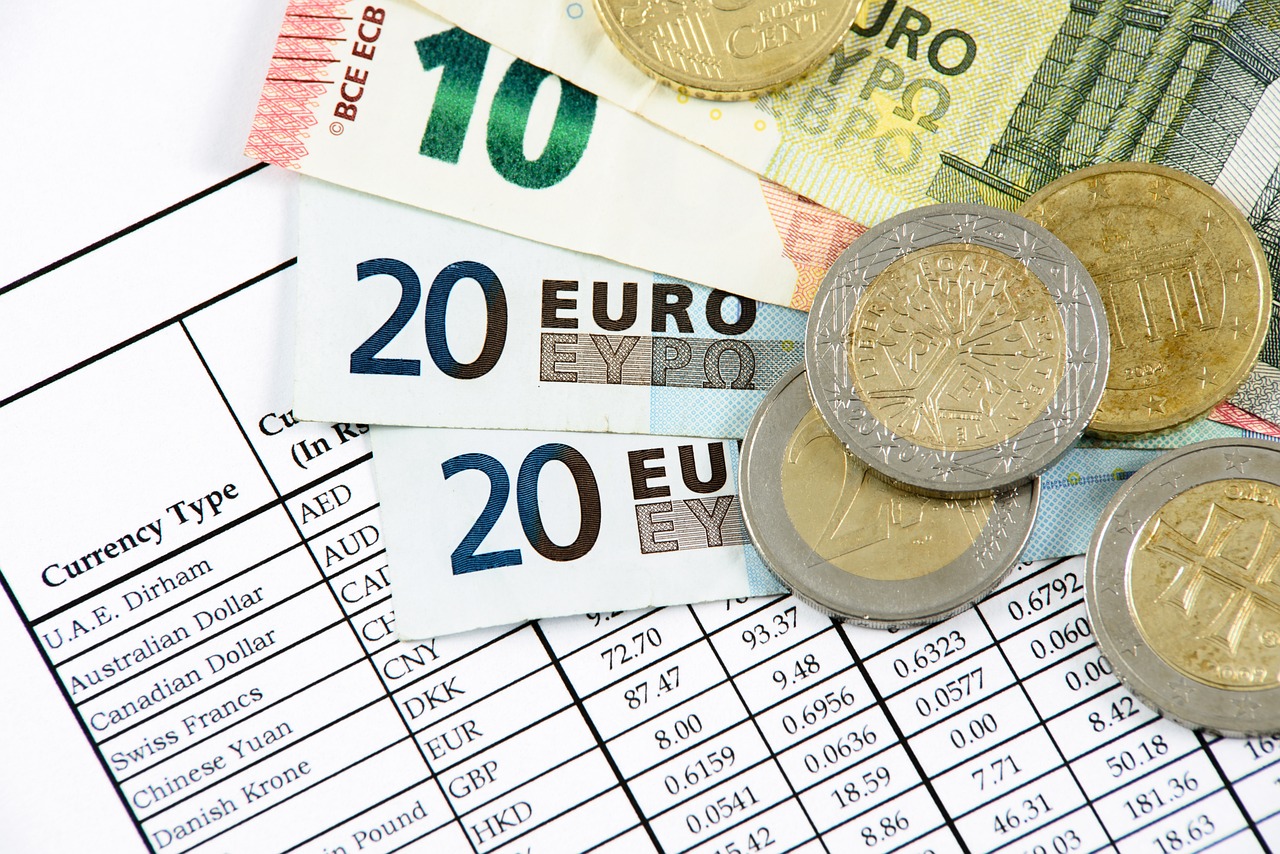
How do I convert 500 US dollars to euros?
Converting 500 US dollars to euros is a common need for travelers, expats, and online shoppers—but not all exchange services deliver the same value. With fluctuating exchange rates and hidden fees, choosing the right remittance provider can save you up to 5–10% on your transfer. When converting USD to EUR, always check the mid-market rate—the real, unbiased exchange rate used by banks globally—and compare it against what your provider offers. Many traditional banks and currency booths add hefty markups (often 3–5%) plus flat fees, eroding your purchasing power. In contrast, modern remittance platforms use transparent, real-time rates and charge low, upfront fees—so $500 could yield €460+ instead of €440. Speed and security matter too. Reputable remittance services offer instant or same-day EUR transfers directly to European bank accounts, with full regulatory compliance (e.g., FINRA, FCA, or FinCEN licensing) and end-to-end encryption. Plus, mobile apps let you lock in favorable rates and schedule conversions in advance. Before sending $500 USD to euros, use our free online calculator to compare live rates, fees, and delivery times across top providers. With smarter tools and fairer pricing, converting money abroad no longer means sacrificing value—or peace of mind.Why does the USD/EUR exchange rate change every day?
Understanding why the USD/EUR exchange rate changes daily is essential for anyone sending money across the Atlantic. Fluctuations stem from real-time shifts in supply and demand, driven by economic indicators like U.S. and Eurozone inflation reports, interest rate decisions by the Federal Reserve and European Central Bank, and geopolitical developments. Market sentiment also plays a pivotal role—investors flock to the USD during global uncertainty (a “safe-haven” effect), pushing EUR weaker. Conversely, strong Eurozone growth or ECB policy tightening can boost the euro. Even minor data releases—such as U.S. non-farm payrolls or German IFO sentiment—trigger immediate currency reactions. For remittance businesses and customers alike, these daily swings directly impact transfer value. A 1% shift can mean €10 more—or less—for every €1,000 sent. That’s why leading remittance providers offer rate alerts, forward contracts, and transparent mid-market rate pricing—not hidden markups—to help users time transfers wisely and maximize value. Staying informed isn’t just smart—it’s cost-effective. Monitoring key drivers and partnering with a trusted, transparent service ensures your hard-earned money goes further, regardless of how the USD/EUR pair moves today—or tomorrow.Where can I get the best USD to EUR exchange rate for cash?
Looking for the best USD to EUR exchange rate for cash? Your choice can significantly impact how much your recipient gets—especially when sending money abroad. Banks and airport kiosks often charge steep margins and hidden fees, costing you up to 5–10% more than the mid-market rate. Specialized remittance providers consistently offer tighter spreads and transparent pricing. Many digital platforms display the real mid-market rate upfront and apply minimal, clearly stated fees—helping you maximize value without surprises. Look for services regulated by authorities like FinCEN or the FCA to ensure security and fairness. Cash pickup options are still popular across Europe, especially in regions with limited banking access. Top remittance companies partner with trusted local networks—including banks, post offices, and retail agents—to enable fast, reliable EUR cash collection in over 30 countries. Always compare rates in real time—not just the headline exchange rate, but the final amount received after all fees. Use comparison tools or check provider websites directly before sending. Avoid dynamic currency conversion (DCC) at ATMs or point-of-sale terminals—it locks in poor rates and adds extra costs. For better USD to EUR cash exchange rates, skip traditional banks and choose a licensed, digital-first remittance service: faster transfers, stronger rates, and full transparency—all in one click.How much is 1,000 USD in euros today?
Wondering how much 1,000 USD is in euros today? Exchange rates fluctuate constantly—impacting how much your loved ones receive overseas. For remittance senders, even a 1–2% difference in the mid-market rate versus what providers offer can mean €10–€20 less in the recipient’s bank account. At [Your Remittance Business], we prioritize transparency and value. Unlike traditional banks or outdated services that layer hidden fees and mark up exchange rates, we offer real-time mid-market rates with no markup—plus low, upfront fees. That means more euros for your family in Germany, France, or Spain, every single time. Our secure, mobile-optimized platform lets you lock in competitive EUR/USD rates instantly. Track your transfer from start to finish, get SMS/email notifications, and enjoy same-day or next-business-day delivery to over 30 European bank accounts. No complicated forms—just fast, fair, and fully compliant international transfers. Before sending 1,000 USD, compare more than just the headline rate: check the total cost, speed, and reliability. With rising living costs across Europe, maximizing every euro matters. Start your first transfer today—and see why thousands trust us for smarter, more affordable remittances across the Atlantic.
About Panda Remit
Panda Remit is committed to providing global users with more convenient, safe, reliable, and affordable online cross-border remittance services。
International remittance services from more than 30 countries/regions around the world are now available: including Japan, Hong Kong, Europe, the United States, Australia, and other markets, and are recognized and trusted by millions of users around the world.
Visit Panda Remit Official Website or Download PandaRemit App, to learn more about remittance info.
Latest News

2026-10-26 09:05

2026-10-26 09:05