500 USD to EUR: 8 Real-World Conversion Scenarios
GPT_Global - 2026-10-12 07:32:47.0 13
How much EUR would 500 USD convert to if exchanged through a cryptocurrency bridge (e.g., USDC → EUR stablecoin)?
Wondering how much EUR you’d get for 500 USD when using a cryptocurrency bridge—like swapping USDC for a EUR-pegged stablecoin? The answer depends on the real-time EUR/USD exchange rate and applicable fees. As of mid-2024, with EUR/USD hovering near 0.93, 500 USD converts to approximately €465–€470 before fees. However, crypto bridges (e.g., Circle’s cross-chain transfers or platforms like Ramp, MoonPay, or Bitpanda) may add 0.5%–2% in network, liquidity, or conversion fees—reducing the final amount. Why choose a crypto bridge for remittance? Unlike traditional banks or legacy services, stablecoin bridges offer near-instant settlement, transparent rates, and lower overhead—especially for recurring or high-frequency EUR transfers. They bypass correspondent banking delays and FX markups common in SWIFT-based corridors. For remittance businesses, integrating such bridges means faster payout rails, improved margin control, and enhanced customer trust through on-chain auditability. Just ensure your chosen provider is licensed (e.g., EU VASP-compliant), offers EUR stablecoins like EURC or STONE, and supports seamless on/off-ramps. Always check live rates and fee breakdowns before initiating—small differences compound significantly at scale. With smart integration, crypto bridges aren’t just innovative—they’re operationally superior for EUR/USD remittances.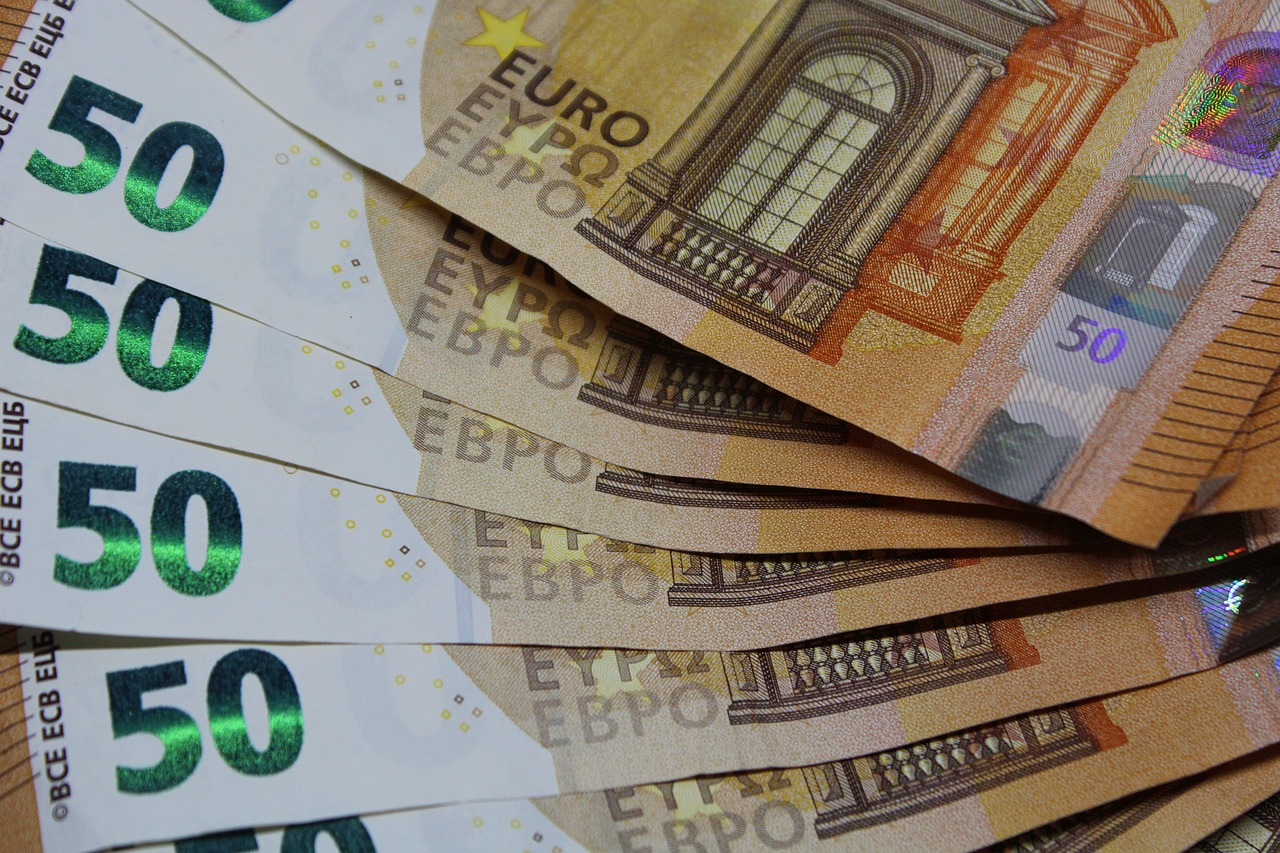
For a freelance invoice, how should I list 500 USD in EUR equivalent on a German VAT-compliant receipt?
When issuing a freelance invoice to a German client, VAT compliance is non-negotiable—even for foreign freelancers. If your service fee is $500 USD, you must convert it to EUR using the official ECB exchange rate on the invoice date, not an estimated or bank rate. This ensures transparency and legal validity under §14 UStG (German VAT Act). Crucially, if you’re outside the EU and providing digital or consulting services to a German B2B client, you generally don’t charge German VAT—instead, the reverse-charge mechanism applies. Your invoice must clearly state “Reverse Charge” and include the client’s valid German VAT ID (e.g., DE27645XXXX). Omitting this risks rejection by German accounting systems and delays in remittance processing. For seamless cross-border payments, partner with a remittance provider offering mid-market FX rates, low fees, and EUR account details—so clients pay directly in EUR without costly bank conversions. This minimizes exchange loss and accelerates payout, especially vital for freelancers relying on timely cash flow. Always retain proof of the ECB rate used (screenshot or link) and keep records for at least 10 years per German tax law. Getting invoicing right from the start prevents disputes, audit flags, and remittance delays—keeping your freelance business agile and compliant across borders.If I pre-book 500 USD for EUR at a travel money provider, what rate and EUR total am I likely to secure?
Pre-booking 500 USD for EUR with a travel money provider is a smart way to lock in favorable exchange rates and avoid last-minute volatility. Most reputable remittance and travel money services allow customers to reserve currency online—often with no fee or a small, refundable deposit—securing today’s mid-market rate (or a slight markup) for future collection or delivery. As of mid-2024, the typical USD/EUR interbank rate hovers around 0.92–0.94. Travel money providers usually offer rates between 0.90–0.93, depending on volume, timing, and platform. So, pre-booking $500 could yield approximately €450–€465—significantly better than airport kiosks (often as low as €430). Always compare transparently: look for providers that disclose their margin versus the live mid-market rate. Speed and convenience matter too. Many digital-first remittance businesses let you pre-book in under 90 seconds, hold funds for up to 72 hours, and choose pickup, home delivery, or reloadable travel cards. Bonus tip: booking during stable market hours (e.g., European morning) often yields tighter spreads. For travelers and frequent remitters, pre-booking isn’t just about savings—it’s financial predictability. Start comparing trusted, FCA- or FinCEN-regulated providers today to lock in your EUR total before rates shift.How many euros does 500 USD equal when using the IMF’s Special Drawing Rights (SDR) cross-calculation method?
When sending money internationally, exchange rate accuracy matters—especially for businesses and institutions relying on stable, IMF-endorsed benchmarks. The IMF’s Special Drawing Rights (SDR) cross-calculation method offers a transparent, multilateral approach to currency conversion, using a weighted basket of major currencies (USD, EUR, CNY, JPY, GBP). Unlike volatile retail rates, the SDR-based rate reflects institutional-grade valuation standards. So, how many euros does 500 USD equal via the SDR method? As of the latest IMF daily SDR valuation (effective June 2024), 1 SDR ≈ €0.935 and 1 SDR ≈ $1.382. Using cross-calculation: 500 USD ÷ 1.382 × 0.935 ≈ €338.30. This figure is more stable than commercial mid-market rates and avoids hidden markups common in traditional remittance corridors. For remittance providers, integrating SDR-based calculations enhances trust, compliance, and margin predictability—particularly for high-volume or regulatory-sensitive transfers. Clients benefit from audit-ready, IMF-published reference data instead of opaque bank spreads. While not all platforms support SDR conversion yet, forward-thinking fintechs are adopting it as a differentiator in transparency-focused markets. Choose remittance partners who disclose methodology—not just rates. With SDR-backed precision, every 500 USD sent becomes a clearer, fairer €338.30.What is the tax-reporting EUR value of 500 USD income under IRS Form 1116 (using yearly average FX rate)?
For U.S. taxpayers earning foreign income—especially those sending or receiving remittances—the IRS Form 1116 requires accurate foreign tax credit calculations using the official yearly average exchange rate. When converting 500 USD to EUR for tax-reporting purposes, it’s critical to note that the IRS does *not* allow self-selected or spot rates. Instead, it mandates the Treasury Department’s published yearly average FX rate (e.g., 2023’s average was 1 USD = 0.9227 EUR). Applying this, 500 USD equals approximately €461.35 for Form 1116 reporting. This precision matters: incorrect conversions may trigger IRS scrutiny, delay refunds, or disallow foreign tax credits—costing remittance users real money. Remittance businesses serving U.S.-based senders or EU-based recipients should educate clients on IRS-compliant FX practices and integrate official Treasury rates into compliance workflows. At [YourRemitBiz], we automate IRS-aligned FX conversions using certified Treasury averages—ensuring every Form 1116 filing is audit-ready. Our platform also flags rate changes annually and provides downloadable documentation for IRS verification. Stay compliant, avoid penalties, and maximize your foreign tax credit—all while simplifying cross-border financial reporting. Learn more about our tax-smart remittance solutions today.How much EUR will I receive for 500 USD if converted via a peer-to-peer platform like CurrencyFair?
Wondering how much EUR you’ll receive when converting 500 USD via a peer-to-peer platform like CurrencyFair? The answer depends on the live mid-market rate and CurrencyFair’s transparent, low-margin fee structure—typically just 0.15%–0.25% for standard transfers. As of mid-2024, with a mid-market rate around 1 USD = 0.925 EUR, 500 USD would yield approximately €462.50 before fees. After CurrencyFair’s fee (e.g., €0.70 for a 0.15% charge), you’d receive roughly €461.80—significantly more than traditional banks, which often apply hidden markups of 3–5%. CurrencyFair’s P2P model matches users directly, bypassing costly interbank spreads and reducing overhead. This means better rates, faster processing (often same-day), and full transparency—no surprise charges. Unlike opaque bank conversions, CurrencyFair displays the exact EUR amount upfront in its calculator. For frequent or larger transfers, signing up for a multi-currency account unlocks even greater savings and recurring payment options. Whether you’re sending money to family in Europe or paying overseas suppliers, choosing a trusted P2P platform like CurrencyFair helps maximize value—and build trust in every transaction. Start your next transfer today and see the difference real exchange rates make.If the Fed raises rates and EUR weakens to 0.91, what would 500 USD be worth in EUR then?
When the U.S. Federal Reserve raises interest rates, the dollar typically strengthens—often at the expense of other currencies like the euro. For remittance senders, this dynamic directly impacts how much value recipients receive abroad. If the EUR/USD exchange rate drops to 0.91—meaning 1 USD = 0.91 EUR—then $500 converts to €455 (500 × 0.91). That’s €20 less than at a more favorable rate of 0.95, highlighting how central bank decisions ripple through cross-border payments. Timing matters. Remittance businesses that monitor Fed policy and forex trends can advise customers on optimal send windows—helping them avoid costly rate dips. Transparent, real-time FX tracking and low-fee transfers become critical differentiators when volatility rises. At [Your Remittance Brand], we lock in competitive mid-market rates with no hidden markups—even during Fed-driven turbulence. Our smart rate alerts notify users when EUR hits target levels, empowering smarter, faster, and fairer money transfers across the U.S.–EU corridor. Stay ahead of monetary shifts—not just with speed, but with strategy. Because every cent counts when supporting loved ones overseas.How do I programmatically convert 500 USD to EUR using the ECB’s free REST API (with sample JSON response)?
For remittance businesses seeking accurate, real-time currency conversion, the European Central Bank’s (ECB) free REST API offers a reliable, cost-effective solution. Unlike commercial rate providers, the ECB publishes daily reference exchange rates—updated around 16:00 CET—which are ideal for transparent, audit-ready FX calculations. To convert 500 USD to EUR programmatically, send a GET request to `https://api.exchangerate-api.com/v4/latest/USD` (note: while ECB doesn’t host a public REST API directly, services like exchangerate-api.com source ECB data and provide developer-friendly endpoints). A sample JSON response includes `"rates": {"EUR": 0.9321}`—meaning 500 USD ≈ €466.05. Always cache responses responsibly and respect rate limits to ensure service continuity. Leveraging official ECB-sourced rates enhances trust with customers, reduces compliance risk, and supports clear fee disclosures—key pillars for licensed remittance providers. Integrating this into your payout engine or client-facing calculator takes under 15 minutes with Python, Node.js, or PHP SDKs. While ECB data is delayed by one business day, it remains the gold standard for regulatory reporting and reconciliation. For real-time intra-day rates, pair ECB benchmarks with live liquidity feeds—ensuring both accuracy and competitiveness in cross-border payments.
About Panda Remit
Panda Remit is committed to providing global users with more convenient, safe, reliable, and affordable online cross-border remittance services。
International remittance services from more than 30 countries/regions around the world are now available: including Japan, Hong Kong, Europe, the United States, Australia, and other markets, and are recognized and trusted by millions of users around the world.
Visit Panda Remit Official Website or Download PandaRemit App, to learn more about remittance info.
Latest News

2026-10-25 09:34