BRL/USD Exchange Guide: Timing, Inflation, Rates, Interest Policies & Smart Card Tips
GPT_Global - 2026-10-12 21:06:25.0 28
Is it better to exchange BRL to USD before departure or upon arrival in the U.S.?
Deciding whether to exchange BRL to USD before departure or upon arrival in the U.S. is a common concern for Brazilian travelers and expats sending money home. While convenience may tempt you to exchange currency at the airport, it’s rarely the best financial choice. Airport kiosks and hotel desks typically charge steep fees and offer poor exchange rates—often 10–15% worse than mid-market rates. In contrast, reputable online remittance platforms provide transparent, competitive BRL-to-USD rates with low or zero transfer fees, especially for larger amounts. Exchanging before departure can lock in a favorable rate and avoid last-minute stress—but only if done through trusted digital services, not local casas de câmbio with hidden margins. Many licensed remittance providers also allow scheduled transfers, enabling you to act when rates peak. Upon arrival, U.S. banks and ATMs usually impose foreign transaction fees (up to 3%) and less competitive rates. Plus, carrying large sums of cash poses security risks and may trigger customs reporting requirements over $10,000. For speed, safety, and savings, opt for a regulated remittance service that offers real-time BRL/USD conversion, instant delivery to U.S. bank accounts, and 24/7 customer support in Portuguese. Smart timing + smart tools = more dollars in your pocket.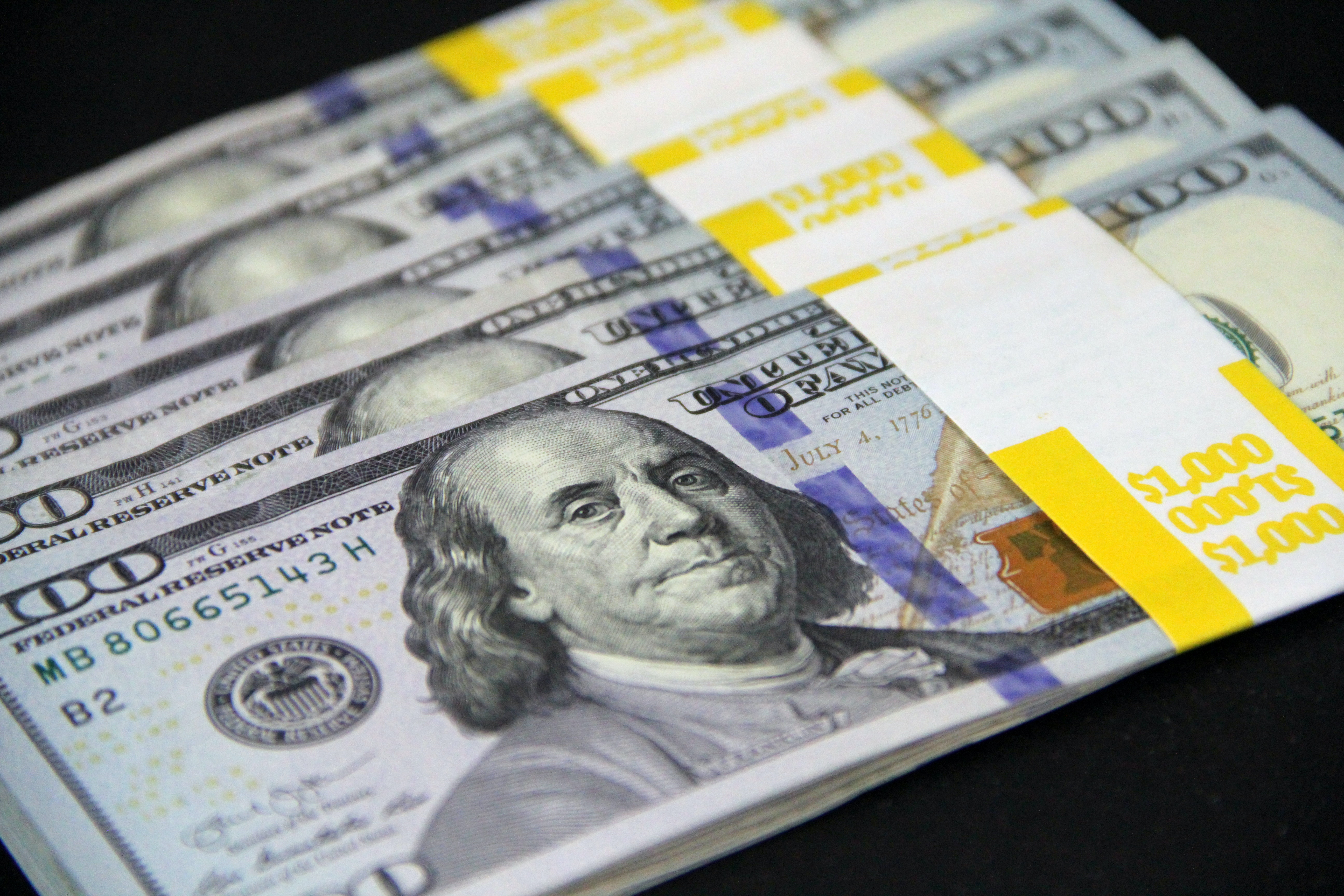
How does inflation in Brazil compared to the U.S. impact the long-term BRL/USD trend?
Understanding how inflation differentiates Brazil and the U.S. is essential for anyone sending money across borders. Historically, Brazil’s inflation has been significantly higher than the U.S.’s—averaging ~5–8% annually versus the Fed’s 2% target. This persistent gap erodes the purchasing power of the Brazilian real (BRL) over time, contributing to long-term BRL/USD depreciation. For remittance customers, this means each dollar sent today buys more reais than it did five or ten years ago. While short-term exchange rate movements hinge on interest rates and market sentiment, sustained inflation differentials are a core driver of long-term currency trends—as confirmed by the Purchasing Power Parity (PPP) theory. At [Your Remittance Business], we help clients navigate this reality with transparent mid-market rates, low fees, and forward contracts to hedge against further BRL weakening. Our tools let you lock in favorable rates ahead of major transfers—especially valuable amid Brazil’s volatile inflation environment. Staying informed about macroeconomic fundamentals like inflation helps you maximize value per transfer. Monitor Brazil’s IPCA index and U.S. CPI reports—we update our blog weekly with actionable insights tailored for Brazilians receiving funds from abroad.What was the strongest (highest USD per BRL) and weakest (lowest USD per BRL) BRL/USD rate in the last decade?
Understanding BRL/USD exchange rate fluctuations is essential for anyone sending money to Brazil. Over the last decade (2014–2024), the Brazilian real experienced dramatic swings against the US dollar—driven by political uncertainty, inflation shifts, and global commodity trends. The strongest BRL/USD rate—meaning the *most* USD per BRL—occurred in early 2021, when 1 BRL reached approximately $0.205 (i.e., USD/BRL ≈ 4.88). This reflected real strength amid recovering commodity exports and central bank tightening. Conversely, the weakest rate hit in late 2022, with 1 BRL falling to just $0.183 (USD/BRL ≈ 5.46)—a multi-year low fueled by rising US interest rates and domestic fiscal concerns. For remittance senders, these extremes underscore why timing matters. Sending when the USD is strong relative to the BRL means recipients get significantly more reais per dollar sent. At $0.205 vs. $0.183, a $1,000 transfer yields over R$ 370 more—enough to cover groceries or school fees. At [Your Remittance Brand], we offer transparent mid-market rates, low fees, and rate alerts—so you never miss an optimal window. Track live BRL/USD data, lock in favorable rates, and send smarter. Because every cent counts when it reaches your family in Brazil.How do interest rate decisions by the Central Bank of Brazil (BCB) and the U.S. Federal Reserve affect BRL–USD?
Understanding how central bank interest rate decisions impact the BRL–USD exchange rate is crucial for anyone sending money from the U.S. to Brazil. When the U.S. Federal Reserve raises rates, the USD typically strengthens as higher yields attract foreign capital—putting downward pressure on the Brazilian real (BRL). Conversely, if the Central Bank of Brazil (BCB) hikes its Selic rate aggressively to combat inflation, it can boost BRL demand, supporting its value against the USD. These dynamics directly affect remittance costs: a weaker BRL means recipients get fewer reais per dollar sent, reducing purchasing power. For example, a 5% BRL depreciation could erase nearly $20–$30 in value on a $1,000 transfer. Remittance providers closely monitor BCB and Fed announcements—and forward guidance—to optimize timing and pricing. Smart senders benefit by tracking rate cycle alignments: transferring when the BCB is holding or raising rates *while* the Fed signals pause can yield better BRL–USD rates. Many digital remittance platforms now offer rate alerts and scheduled transfers to lock in favorable windows—helping families maximize every dollar sent home. Stay informed, time wisely, and choose a remittance partner with transparent FX fees and real-time rate insights—because small rate shifts add up to big differences for Brazilian families counting on your support.Can I use a credit card denominated in BRL to make USD purchases without dynamic currency conversion (DCC)?
Yes, you can use a BRL-denominated credit card to make USD purchases without Dynamic Currency Conversion (DCC)—but only if you decline DCC at the point of sale or online checkout. When paying in USD abroad or with a USD merchant, your card issuer will automatically convert the amount to BRL using their wholesale interbank rate (plus a foreign transaction fee, typically 1.5–3%). This is far more cost-effective than DCC, where merchants apply inflated exchange rates and extra fees. For remittance businesses targeting Brazilian customers, clarifying this distinction is crucial. Many users mistakenly accept DCC, believing it simplifies billing—only to face higher costs and less transparency. Educating clients on selecting “pay in USD” (not BRL) ensures they benefit from competitive, issuer-set conversion rates. Additionally, some Brazilian-issued cards (e.g., Nubank, Inter, or Santander) now offer zero foreign transaction fees or real-time FX rate visibility via apps—enhancing trust and usability for cross-border payments. Integrating these card-friendly features into your remittance platform improves user experience and reduces support queries related to unexpected charges. Empower your Brazilian customers with clear guidance: always opt out of DCC, verify card terms, and choose remittance services that align with transparent, low-cost FX practices.
About Panda Remit
Panda Remit is committed to providing global users with more convenient, safe, reliable, and affordable online cross-border remittance services。
International remittance services from more than 30 countries/regions around the world are now available: including Japan, Hong Kong, Europe, the United States, Australia, and other markets, and are recognized and trusted by millions of users around the world.
Visit Panda Remit Official Website or Download PandaRemit App, to learn more about remittance info.
Latest News


