USD/BRL Exchange Rate Guide: Accuracy, Brokers, Selic Impact, Timing & Hedging
GPT_Global - 2026-10-14 13:34:30.0 21
How accurate are Google’s or XE.com’s USD/BRL conversion estimates compared to live bank rates?
When sending money from the US to Brazil, many customers rely on Google or XE.com for quick USD/BRL exchange rate estimates. While convenient, these platforms display mid-market rates—idealized benchmarks that exclude fees and margins—not the actual rates banks or remittance providers offer. Live bank rates for USD/BRL are typically 2–5% less favorable than mid-market rates due to operational costs, risk hedging, and profit margins. Major Brazilian banks often apply wider spreads during volatile market periods, further widening the gap. Remittance specialists, however, frequently offer tighter margins—especially for high-volume or recurring transfers—making them more cost-effective than traditional banks. Google and XE.com don’t reflect real-time, executable rates; they update infrequently and lack transparency on hidden fees (e.g., receiving fees, intermediary charges). In contrast, licensed remittance services provide all-inclusive quotes before checkout—ensuring full price certainty and faster settlement (often same-day BRL delivery). For businesses and individuals prioritizing value and speed, choosing a regulated remittance provider over generic currency converters means better final BRL amounts and greater reliability. Always compare the *total delivered amount*, not just the headline rate. Start your next USD-to-BRL transfer with confidence—and keep more of your hard-earned money in the recipient’s account.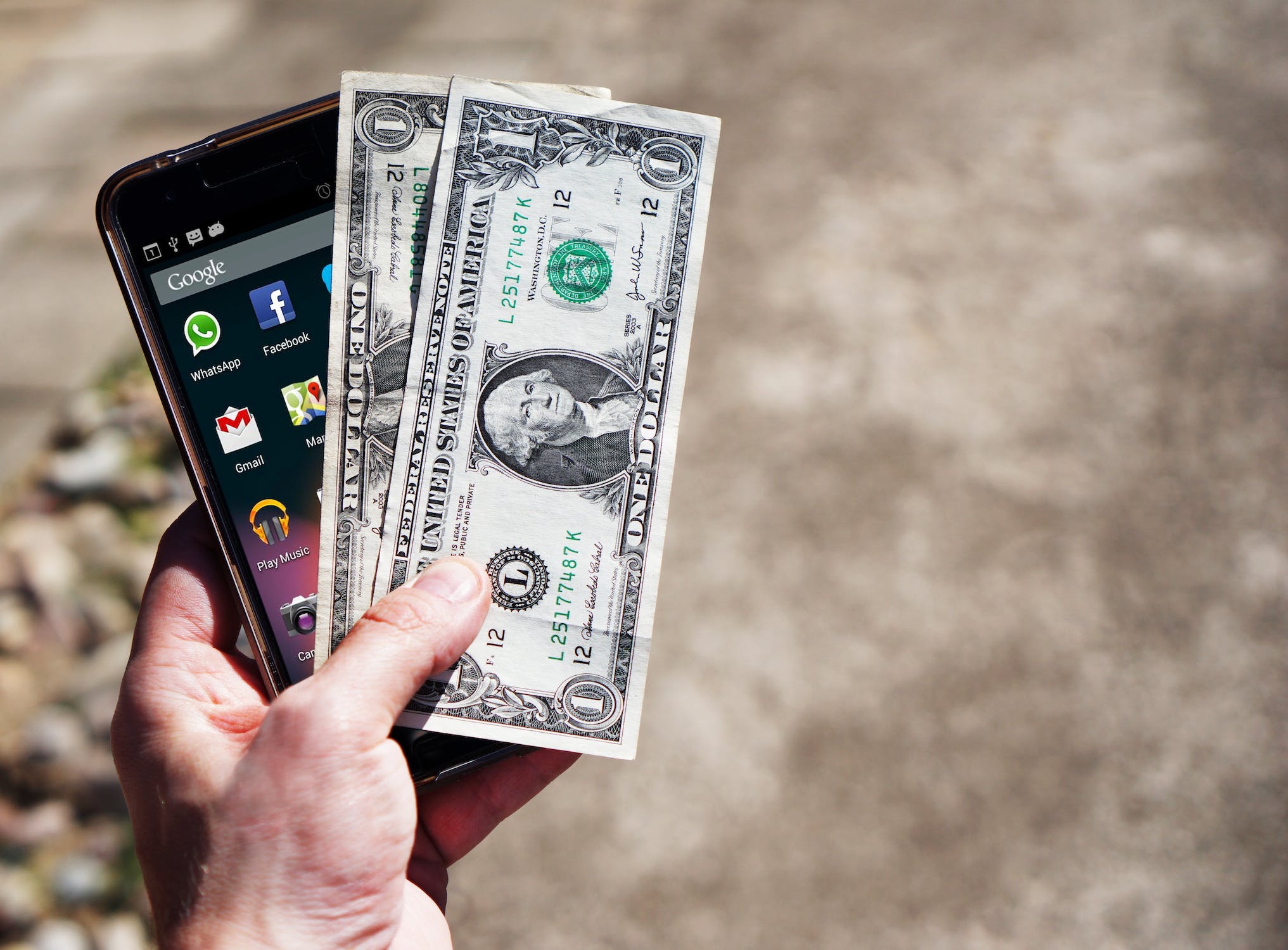
Can I convert USD to BRL using a foreign exchange broker—and how do they differ from banks?
Yes, you can convert USD to BRL using a foreign exchange (FX) broker—and it’s often smarter than using a traditional bank. FX brokers specialize in currency conversion and international money transfers, offering competitive exchange rates and lower fees compared to most banks. Unlike banks—which prioritize broad financial services and often apply wide, opaque markups on exchange rates—FX brokers focus exclusively on currency exchange. This specialization allows them to pass on tighter spreads (the difference between buy/sell rates) and transparent, all-in pricing. Many also offer forward contracts and limit orders for businesses or individuals planning future transfers. For remittance customers sending money from the U.S. to Brazil, using an authorized FX broker means faster processing (often same-day or next-business-day), intuitive online platforms, and dedicated support in both English and Portuguese. Regulatory compliance is equally rigorous: reputable brokers are licensed by authorities like the U.S. FinCEN and Brazil’s Central Bank (BACEN), ensuring secure, traceable transactions. Before choosing a provider, compare not just the exchange rate but also transfer speed, minimum amounts, and hidden fees—some banks advertise “no fee” transfers but embed costs in poor rates. With real-time rate alerts and multi-currency accounts, FX brokers empower users to send more BRL for every USD spent. Start your next remittance with confidence—and value.How does Brazil’s interest rate policy (Selic rate) influence USD/BRL valuation?
Brazil’s benchmark Selic rate—set by the Central Bank of Brazil—plays a pivotal role in USD/BRL exchange rate dynamics. When the Selic rate rises, Brazilian real (BRL) assets become more attractive to foreign investors seeking higher yields, increasing demand for BRL and typically strengthening it against the US dollar (USD). Conversely, rate cuts often weaken the BRL as capital flows seek better returns elsewhere. For remittance businesses and customers sending money to Brazil, these fluctuations directly impact transfer value. A stronger BRL means recipients get more local currency per USD sent; a weaker BRL erodes purchasing power—even before fees or margins apply. Monitoring Selic decisions helps remittance providers optimize timing, hedge exposure, and offer competitive, transparent rates. Moreover, high and stable Selic rates can signal macroeconomic confidence, reducing volatility—benefiting cross-border payment predictability. However, persistently high rates may also reflect inflationary pressure or fiscal concerns, introducing longer-term risk. Staying informed on Banco Central do Brasil announcements—and integrating Selic trends into pricing and hedging strategies—enables remittance firms to enhance customer trust, reduce margin erosion, and deliver consistent, value-driven transfers to Brazil. Real-time rate intelligence isn’t just smart—it’s essential for competitiveness in the BRL corridor.What’s the best time of day (in UTC or BRT) to convert USD to BRL for optimal rates?
When sending money from the US to Brazil, timing your USD-to-BRL conversion can meaningfully impact the final amount received. While exchange rates fluctuate constantly due to market forces, historical data shows the most favorable rates often occur during peak trading overlap—specifically between 12:00–16:00 UTC (9:00–13:00 BRT). This window aligns with active liquidity from both the London and New York sessions, plus early Brazilian market participation, increasing price transparency and narrowing spreads. Avoid converting late at night (UTC 00:00–06:00 / BRT 21:00–03:00), when liquidity is thin and spreads widen—potentially costing you up to 0.5% more. Weekdays generally outperform weekends, as FX markets are largely closed Saturday–Sunday, leading to stale or less competitive rates. That said, timing alone isn’t enough. Choose a remittance provider that offers mid-market rates, low transparent fees, and real-time rate alerts—so you can act quickly when optimal windows open. Some platforms even let you set target rates for automatic execution. Ultimately, while 12:00–16:00 UTC offers statistically stronger odds, pairing smart timing with a trusted, low-cost service delivers the best value. Monitor rates daily, but prioritize reliability and speed—especially for urgent transfers. Start your next USD-to-BRL send during peak hours, and keep more of your hard-earned money in your recipient’s hands.How do I verify if a money exchange service in São Paulo offers a fair USD/BRL rate?
When sending money from abroad to São Paulo, verifying a fair USD/BRL exchange rate is essential to avoid hidden costs and maximize value. Start by checking the mid-market rate—the real-time benchmark used by banks and financial institutions—via trusted sources like XE.com or Google Finance. This rate reflects true market value without markup. Next, compare the rate offered by your chosen remittance provider against the mid-market rate. A fair service typically adds a transparent, low margin (e.g., 0.5%–2%), not 4%–8% like some traditional banks or airport kiosks. Always request the *final* exchanged amount—not just the quoted rate—to uncover hidden fees. In São Paulo, licensed operators registered with Brazil’s Central Bank (BACEN) must disclose all charges and rates upfront. Verify their registration on the BACEN website and read recent customer reviews focusing on transparency and speed. Avoid services that only advertise “zero fee” while inflating the exchange rate—it’s often a red flag. Lastly, use comparison tools from reputable remittance review platforms or test small transfers first. Consistent fairness across multiple transactions signals reliability. For peace of mind and better value, choose providers that combine competitive USD/BRL rates, fast São Paulo payouts, and full regulatory compliance.Are there any restrictions on converting USD to BRL for non-residents sending money to Brazil?
Non-residents sending money from the U.S. to Brazil may wonder: Are there restrictions on converting USD to BRL? The short answer is—no blanket legal restrictions exist, but practical and regulatory safeguards apply. Brazil’s Central Bank (Banco Central do Brasil) requires all foreign exchange transactions to be conducted through authorized financial institutions or licensed remittance providers. While there’s no fixed cap on USD-to-BRL conversions for non-residents, individual service providers may impose their own limits based on compliance policies, risk assessment, or AML/KYC requirements. For example, transfers above USD $10,000 often trigger enhanced due diligence—including source-of-funds verification and purpose-of-payment documentation. Additionally, Brazilian law mandates that all inbound remittances be reported via the SISBACEN system, and recipients must declare funds exceeding certain thresholds for tax purposes. Non-residents should choose regulated, transparent remittance partners offering competitive USD/BRL exchange rates and low, upfront fees—avoiding hidden margins or dynamic currency conversion traps. For fast, compliant, and cost-effective transfers, partner with a remittance provider licensed in both the U.S. and Brazil. This ensures adherence to FinCEN, OFAC, and Central Bank of Brazil regulations—giving you peace of mind and better value per transfer.How do forward contracts work for hedging USD/BRL exposure in international business?
Forward contracts are essential hedging tools for remittance businesses managing USD/BRL exposure. When sending money from the U.S. to Brazil—or vice versa—fluctuating exchange rates can erode margins or surprise recipients with lower payouts. A forward contract locks in a USD/BRL exchange rate today for settlement at a future date (e.g., 30–180 days), shielding your business and customers from adverse currency swings. This predictability improves financial planning, enhances pricing transparency, and builds client trust—especially critical in competitive remittance markets. Unlike spot transactions, forwards require no upfront payment; instead, a small margin may be requested, and settlement occurs on the agreed date with physical or net cash delivery. For remittance providers, integrating forward contracts via banking partners or fintech APIs enables automated hedging workflows. This reduces manual FX risk management overhead while supporting fixed-rate marketing promises (“Send $1,000 → Get R$5,200 guaranteed in 60 days”). Regulatory compliance is streamlined too: Forward contracts are OTC but well-documented under BACEN (Brazil’s central bank) and U.S. CFTC guidelines when transacted through licensed institutions. Always partner with authorized FX providers to ensure enforceability and audit readiness. In short, forward contracts turn volatile USD/BRL dynamics into a strategic advantage—boosting margin stability, customer retention, and operational scalability for modern remittance businesses.What historical factors caused the USD/BRL rate to exceed 5.00 in 2020 and 2022?
Historical factors behind the USD/BRL exchange rate surging past 5.00 in 2020 and 2022 are critical for anyone sending money to Brazil. In 2020, the pandemic triggered global risk aversion—investors fled emerging-market assets, and Brazil’s fiscal deficits, political uncertainty, and central bank rate cuts weakened the real significantly. By 2022, the USD/BRL again breached 5.00 due to aggressive U.S. Federal Reserve tightening amid soaring inflation, lifting the dollar’s appeal. Simultaneously, Brazil faced persistent inflation, delayed fiscal reforms, and renewed concerns over public debt sustainability—eroding confidence in the real. Commodity price volatility and a stronger U.S. dollar index further pressured BRL. For remittance customers, these swings mean timing matters: sending when the USD/BRL is high yields more reais per dollar—but also signals underlying instability. Remittance providers with transparent, low-fee FX rates and real-time market insights help users avoid costly surprises during volatile periods. Understanding these drivers empowers Brazilian families abroad to make smarter, more cost-effective transfers—especially when economic headwinds threaten purchasing power back home. Stay informed, compare rates, and choose partners who prioritize fairness and clarity over hidden margins.
About Panda Remit
Panda Remit is committed to providing global users with more convenient, safe, reliable, and affordable online cross-border remittance services。
International remittance services from more than 30 countries/regions around the world are now available: including Japan, Hong Kong, Europe, the United States, Australia, and other markets, and are recognized and trusted by millions of users around the world.
Visit Panda Remit Official Website or Download PandaRemit App, to learn more about remittance info.
Latest News
