HKD to USD Conversion Guide: ATMs, Crypto, Money Changers, Credit Cards, Forward Rates, Fed Impact & Taxes
GPT_Global - 2026-10-15 18:35:00.0 18
Do ATMs in the US dispense USD when I withdraw with an HKD-linked card—and what fees apply?
Yes, ATMs in the US will dispense USD when you withdraw using an HKD-linked card—but with important caveats. Most major US ATMs accept international cards (Visa, Mastercard), and your Hong Kong-issued card will trigger an automatic currency conversion from HKD to USD at the point of withdrawal. Fees typically apply in three layers: your Hong Kong bank’s foreign transaction fee (often 1–3% of the withdrawal amount), a dynamic currency conversion (DCC) markup if offered (avoid this—always choose to be charged in USD), and the ATM operator’s surcharge (commonly $2–$5). Some banks also impose daily or monthly withdrawal limits and may levy additional cash advance fees if your card is credit-based. For frequent travelers or expats sending money home, ATM withdrawals are convenient but rarely cost-effective. Remittance services often offer better exchange rates and lower flat fees—especially for larger transfers. Compare mid-market rates and all-inclusive pricing before choosing between ATM cash access and dedicated remittance platforms. Pro tip: Notify your Hong Kong bank before traveling to avoid transaction blocks, and use ATMs affiliated with your card network (e.g., Visa Plus or Mastercard Cirrus) to minimize surcharges. Always decline DCC and check your bank’s overseas fee schedule online—transparency saves money.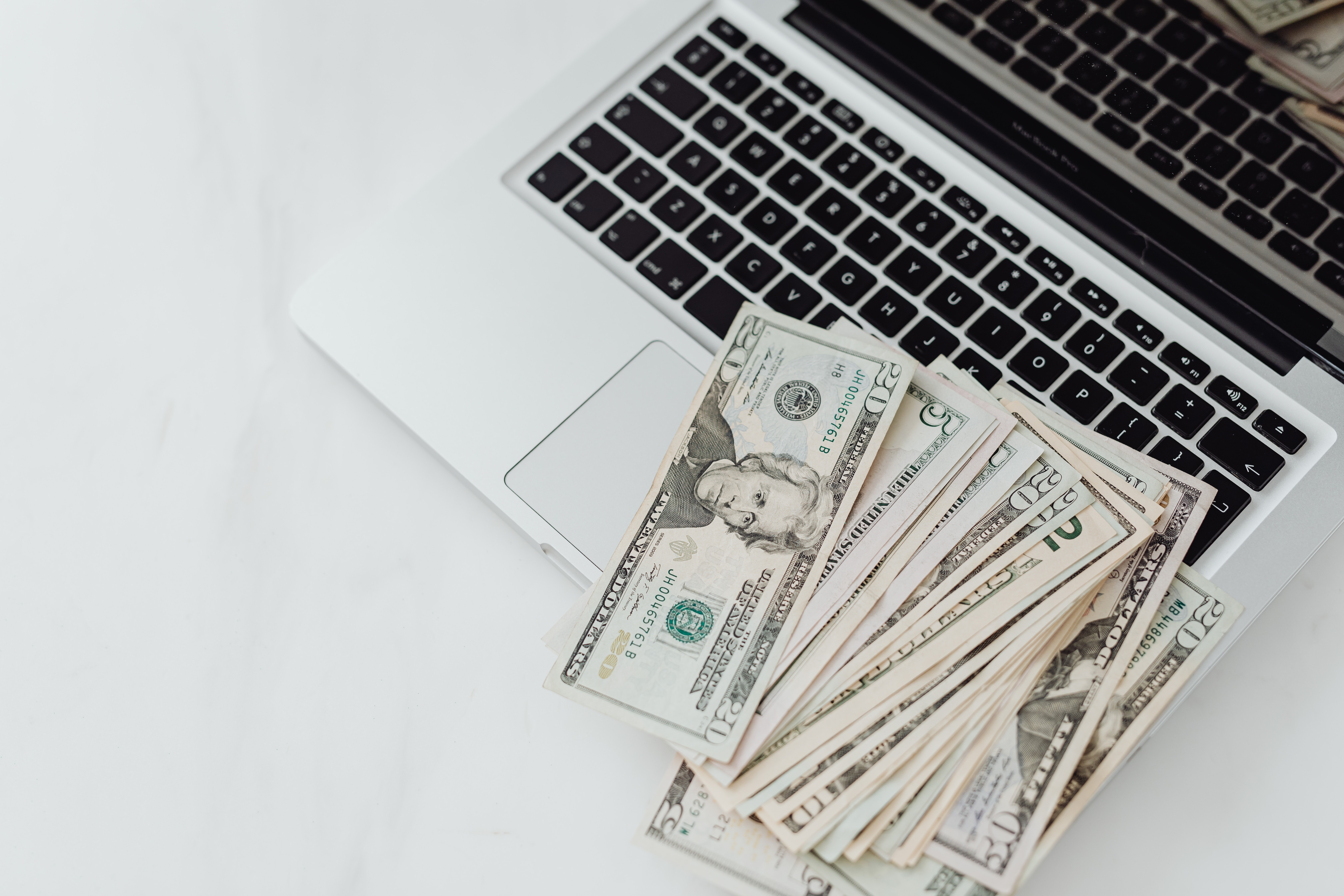
How do cryptocurrency exchanges handle HKD-to-USD conversions?
For Hong Kong residents sending money abroad, understanding how cryptocurrency exchanges handle HKD-to-USD conversions is essential for cost-effective, fast remittances. Unlike traditional banks, most crypto exchanges don’t directly accept HKD deposits—instead, users typically fund accounts via bank transfer or FPS (Faster Payment System), then convert HKD to stablecoins like USDC or USDT at integrated fiat on-ramps. These on-ramps use real-time interbank FX rates, often with transparent, low-margin spreads (0.1%–0.5%), significantly undercutting legacy remittance fees. Some licensed platforms—such as OSL and HashKey—offer regulated HKD/USD trading pairs, enabling direct settlement without third-party intermediaries. Crucially, conversion happens instantly upon order execution, and funds settle on-chain within seconds, bypassing SWIFT delays. This efficiency benefits small businesses and freelancers needing same-day USD payouts. However, users must verify exchange licensing (e.g., SFC registration) and KYC requirements to ensure compliance and fund safety. For remittance providers, integrating with reputable HK-based crypto gateways enables white-label, low-cost cross-border rails—turning volatile crypto infrastructure into a stable, scalable settlement layer. As HKMA advances its Fintech Sandbox, expect tighter regulation—and greater mainstream adoption—of crypto-powered remittances.What documents do I need to convert HKD to USD at a licensed money changer?
Converting HKD to USD at a licensed money changer in Hong Kong is quick and secure—but requires the right documentation. As per Hong Kong Monetary Authority (HKMA) regulations, all licensed money changers must comply with Anti-Money Laundering (AML) and Counter-Terrorist Financing (CTF) requirements. This means you’ll need to present valid government-issued photo identification. Acceptable ID documents include your Hong Kong Identity Card (HKID), passport, or for non-residents, a valid travel document with visa endorsement (if applicable). Some changers may also request proof of address—such as a recent utility bill or bank statement—especially for larger transactions exceeding HK$120,000 (approx. USD 15,385), which triggers mandatory reporting under HKMA guidelines. No bank account details or purpose-of-funds declaration are typically required for standard cash exchanges—but transparency helps speed up processing. Always choose an HKMA-licensed money changer (verify via the official registry) to ensure compliance, fair rates, and consumer protection. Avoid unlicensed operators offering “too-good-to-be-true” rates. For frequent or high-value conversions, consider partnering with a regulated remittance provider offering online HKD-to-USD transfers—often with better exchange rates, lower fees, and full audit trails. Licensed services combine convenience, security, and regulatory peace of mind.How do credit cards process charges made in USD when my account is in HKD?
When you use a credit card denominated in HKD to make a purchase in USD, the transaction involves dynamic currency conversion (DCC) or standard bank-based FX processing. Most Hong Kong-issued cards automatically convert the USD amount to HKD using the card network’s wholesale exchange rate (e.g., Visa/Mastercard), plus a foreign transaction fee—typically 1.5%–3%. This means you’re charged in HKD on your statement, but the final amount depends on real-time rates and fees applied at authorization and settlement. For frequent international spenders—especially those sending remittances or managing cross-border expenses—this built-in conversion can erode value. Credit card FX margins are often wider than dedicated remittance providers, and hidden markups may go unnoticed until the monthly bill arrives. Smart alternatives exist: multi-currency accounts or specialist remittance platforms offer mid-market rates, transparent fees, and instant USD-to-HKD conversions—often at lower cost and higher speed. These services let you lock in rates, avoid card network markups, and gain full control over timing and transparency. Before relying on your HKD credit card for USD transactions, compare the total cost—including FX spread and fees—against licensed remittance providers. In many cases, paying via a dedicated platform saves money and simplifies budgeting across currencies.Can I lock in an HKD-to-USD exchange rate for a future date?
Yes, you can lock in an HKD-to-USD exchange rate for a future date — a powerful feature known as a forward contract. This tool is especially valuable for individuals and businesses planning international payments, such as tuition fees, property purchases, or supplier invoices denominated in USD. With a forward contract, you agree today on a fixed exchange rate for a transaction to be executed at a later date — typically up to 12 months ahead. This shields you from unexpected fluctuations in the HKD/USD market, offering budgeting certainty and protecting against adverse currency movements. Many leading remittance providers in Hong Kong offer competitive forward contracts with low or no upfront deposit requirements (often just 5–10% of the total amount). Unlike banks, specialist remittance services frequently provide tighter spreads, faster processing, and dedicated support — making hedging accessible and cost-effective. Before committing, compare settlement windows, cancellation policies, and minimum transfer amounts across providers. Also ensure the service is licensed by the Hong Kong Customs and Excise Department and complies with AMLO regulations for full transparency and security. Locking in your HKD-to-USD rate isn’t just smart risk management — it’s a strategic advantage. Start planning your next USD payment today with confidence and control.What’s the impact of US Federal Reserve interest rate decisions on HKD/USD conversion?
US Federal Reserve interest rate decisions significantly influence HKD/USD conversion rates—critical for remittance businesses and customers sending money between Hong Kong and the US. When the Fed raises rates, the USD typically strengthens against most currencies, including the HKD, which is pegged within a narrow band (7.75–7.85) to the USD. Though the HKMA actively defends the peg via automatic intervention, higher US rates can widen the interest rate differential, increasing carry-trade activity and testing peg stability during volatile periods. This volatility directly affects remittance pricing: tighter spreads may shrink during calm phases, but sudden Fed announcements can trigger short-term HKD depreciation pressure, leading to wider bid-ask spreads or temporary FX fee adjustments by remittance providers. Customers benefit from transparent, real-time rate monitoring—especially around Fed meeting dates (e.g., March, June, September, December). For remittance businesses, integrating Fed policy forecasts into risk management helps optimize hedging strategies and maintain competitive, stable exchange rates. Proactively educating clients about rate drivers—like the Fed’s inflation outlook or terminal rate expectations—builds trust and reduces support queries during market shifts. Staying ahead of US monetary policy isn’t just prudent—it’s essential for delivering reliable, low-cost HKD/USD transfers. Partner with remittance platforms that embed Fed insights into dynamic pricing engines for smarter, faster, and fairer cross-border payments.Are HKD-to-USD conversions subject to capital gains tax in the US or Hong Kong?
Converting Hong Kong Dollars (HKD) to US Dollars (USD) is a common step for individuals and businesses moving funds between these two major financial hubs. But a frequent concern is whether such currency conversions trigger capital gains tax obligations—in either the US or Hong Kong. In Hong Kong, there is no capital gains tax—period. Currency exchange transactions, including HKD-to-USD conversions, are not taxed as capital gains under Hong Kong law, regardless of profit or loss. This makes HK an attractive jurisdiction for international remittances and foreign exchange activity. In contrast, the US treats foreign currency transactions differently. While simple personal conversions (e.g., exchanging cash for travel) are generally exempt, the IRS may classify certain forex activities—including speculative trading or business-related conversions—as taxable events. Profits from “Section 988 transactions” (including non-functional currency gains) can be subject to ordinary income tax—not capital gains tax—but only if the conversion is part of a trade, business, or investment activity with tax-reporting intent. For most remittance customers sending money for family support, education, or living expenses, HKD-to-USD conversions are not taxable in either jurisdiction. Still, consulting a cross-border tax professional is wise for large, frequent, or commercially structured transfers. At [Your Remittance Business], we offer transparent, low-cost HKD-to-USD transfers—backed by expert compliance guidance and real-time exchange rate tools. Transfer smarter, not harder.
About Panda Remit
Panda Remit is committed to providing global users with more convenient, safe, reliable, and affordable online cross-border remittance services。
International remittance services from more than 30 countries/regions around the world are now available: including Japan, Hong Kong, Europe, the United States, Australia, and other markets, and are recognized and trusted by millions of users around the world.
Visit Panda Remit Official Website or Download PandaRemit App, to learn more about remittance info.
Latest News



2026-10-15 19:05