USD to PHP Transfers: Costs, Rates, Taxes, ATMs & Freelance Payouts
GPT_Global - 2026-10-19 14:34:56.0 20
What’s the most cost-effective way to send $1,000 USD to a family member in the Philippines?
Sending $1,000 USD to a family member in the Philippines doesn’t have to mean paying high fees or accepting poor exchange rates. The most cost-effective method balances low transfer fees, competitive USD-to-PHP exchange rates, and fast, reliable delivery—without hidden charges. For amounts like $1,000, digital remittance providers often outperform traditional banks and cash-based services. Many fintech platforms offer near mid-market exchange rates and flat fees as low as $2–$5—saving up to $30+ compared to banks charging 3–5% in fees plus margin-based FX spreads. Look for services with transparent pricing: no “zero-fee” traps that hide costs in unfavorable exchange rates. Reputable providers like Wise, Remitly, or local leaders such as Coins.ph or GCash (via partnered corridors) let you compare real-time rates and total delivered PHP before confirming. Bank transfers (especially account-to-account) typically offer the best value for $1,000—avoiding cash pickup fees and offering same-day or next-business-day settlement. Always choose “PHP bank deposit” over cash pickup unless your recipient lacks a bank account. Pro tip: Schedule transfers during weekdays and avoid weekends/holidays to prevent delays and potential rate fluctuations. Also, verify if your provider offers first-time user discounts or loyalty rebates—these can further reduce effective costs. Choose wisely: With just a few minutes of comparison, you can ensure more of your hard-earned $1,000 reaches your loved ones in the Philippines—quickly, safely, and affordably.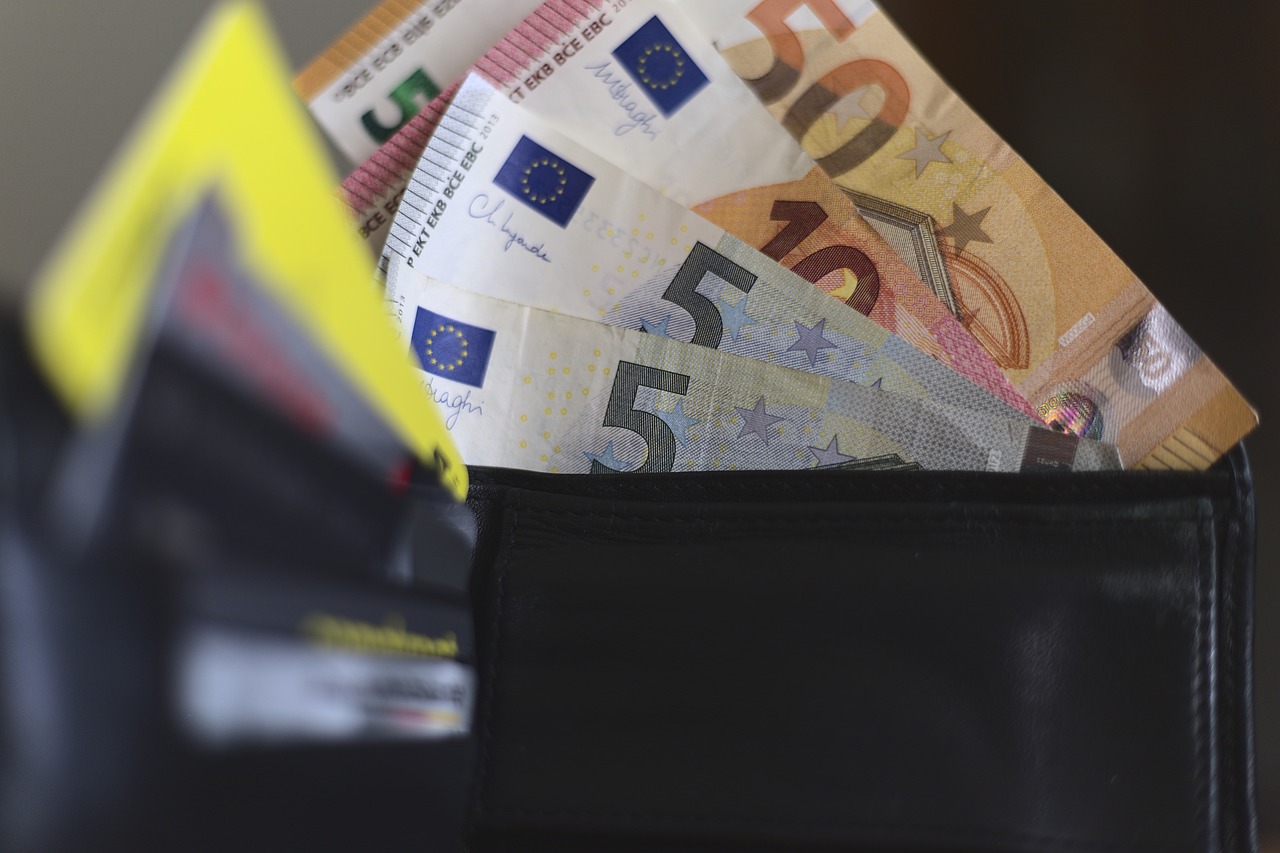
How do ATMs in the Philippines handle USD card transactions—and what conversion rate do they apply?
ATMs in the Philippines accept USD-denominated cards, but transactions are always processed in Philippine Pesos (PHP). When a foreign cardholder withdraws cash, the ATM initiates a dynamic currency conversion (DCC) or uses the card network’s (Visa/Mastercard) wholesale exchange rate—depending on the bank and terminal setup. Most major banks like BDO, BPI, and Metrobank default to the card network’s interbank rate, which is typically more favorable than DCC offers. Importantly, DCC—where the ATM prompts users to pay in USD—is discouraged for remittance senders, as it often includes markups of 3–7%. Reputable remittance businesses advise clients to decline DCC and opt for PHP-based withdrawal to secure better value. Additionally, ATM operators may impose fees ranging from ₱200–₱350 per transaction, separate from any foreign transaction fees charged by the issuing bank. For remittance providers, educating recipients on these nuances builds trust and reduces costly withdrawal errors. Partnering with local banks offering low-fee, high-limit ATM networks—and promoting transparent, real-time FX rates—enhances customer satisfaction and retention. Always verify your partner ATM network’s rate methodology and fee structure to ensure your beneficiaries receive maximum value from every USD transfer.Is there a tax or fee imposed by the Philippine government on USD-to-PHP conversions?
When sending money to the Philippines, many remitters wonder: “Is there a tax or fee imposed by the Philippine government on USD-to-PHP conversions?” The short answer is no—there is no specific government-imposed tax solely on foreign exchange conversion. The Bangko Sentral ng Pilipinas (BSP) regulates foreign exchange activities but does not levy a conversion tax. However, fees do apply indirectly. Licensed remittance companies and banks charge service fees and may offer less favorable exchange rates—effectively embedding a margin into the conversion. These margins and fees are regulated by the BSP to ensure transparency, but they are not taxes collected by the government. It’s important to distinguish between government-imposed levies (like the 12% VAT on certain services or documentary stamp tax on formal contracts) and private-sector charges. No VAT or excise tax applies specifically to the act of converting USD to PHP for personal remittances. For senders, this means lower-cost options exist—especially with digital remittance providers offering mid-market rates and low flat fees. Always compare total cost: exchange rate + fee—not just one or the other. Transparency helps maximize what your loved ones receive. Choosing a BSP-licensed partner ensures compliance and consumer protection—without hidden government conversion taxes. Remit smarter, not harder.How accurate are Google’s or XE.com’s live USD/PHP exchange rate tools?
When sending money from the U.S. to the Philippines, many customers rely on Google’s or XE.com’s live USD/PHP exchange rate tools for quick reference. While convenient and generally reflective of interbank mid-market rates, these tools aren’t always accurate for remittance purposes—because they don’t factor in provider-specific fees, markups, or real-time transactional spreads.Google and XE display mid-market rates—the theoretical “fair value” between currencies—but licensed remittance businesses must account for operational costs, compliance, and risk management. As a result, most providers apply a transparent (or sometimes hidden) margin, meaning the final rate you receive may be 2–5% less favorable than what’s shown online.For Filipino families depending on timely, predictable remittances, even small rate discrepancies add up. A $1,000 transfer at a 3% markup means ₱150–₱200 less in the recipient’s hands—money that could cover groceries, school supplies, or medical expenses.That’s why leading remittance services now offer rate lock-in options, fee-free transfers, and real-time rate comparisons *before* checkout. Always compare the final delivered PHP amount—not just the headline rate. Transparency builds trust, and trust powers meaningful financial inclusion across borders.Choose a remittance partner that discloses all costs upfront—and delivers more pesos, every time.What was the historical USD/PHP exchange rate one year ago—and how has it changed?
Looking to send money from the U.S. to the Philippines? Understanding the USD/PHP exchange rate is key to maximizing your remittance value. One year ago (as of June 2023), the average USD/PHP exchange rate was approximately ₱52.80—reflecting relative stability amid global inflation concerns and Federal Reserve rate hikes. Over the past 12 months, the peso has weakened slightly against the dollar, with the current rate hovering near ₱58.20 (as of June 2024). This ~10.2% depreciation means every $1,000 sent today yields roughly ₱5,400 more than it did a year ago—great news for Filipino families receiving remittances. However, exchange rates fluctuate daily due to factors like U.S. interest rates, Philippine economic data, and geopolitical developments. Remittance providers with transparent, mid-market rates—and low or zero fees—help you lock in better value amid volatility. At [Your Remittance Business], we offer real-time FX tracking, no hidden markups, and same-day transfers to over 20,000 payout locations nationwide. Our rate alerts notify you when USD/PHP hits your target—so you send smarter, not harder. Stay informed, save more, and support your loved ones with confidence. Check today’s live USD/PHP rate on our website—and discover how much more your dollars can do.Do online forex brokers offer USD/PHP trading pairs—and can individuals profit from short-term fluctuations?
Yes, most reputable online forex brokers do offer USD/PHP trading pairs—making it accessible for individuals and businesses alike to trade the U.S. dollar against the Philippine peso. This liquidity stems from strong remittance flows, with billions of dollars sent annually from overseas Filipino workers (OFWs) to the Philippines. While short-term USD/PHP fluctuations can present trading opportunities—driven by interest rate differentials, central bank policies (e.g., Bangko Sentral ng Pilipinas vs. the U.S. Federal Reserve), and geopolitical or economic news—consistent profitability is highly challenging for retail traders. Volatility spikes often coincide with major remittance surges or peso depreciation events, but leverage risks and tight spreads require disciplined risk management. For remittance businesses, understanding USD/PHP dynamics is far more valuable than speculative trading. Monitoring real-time exchange rates helps optimize payout margins, hedge currency exposure, and offer competitive, transparent rates to OFW customers—boosting trust and repeat usage. Rather than chasing short-term forex gains, remittance providers should prioritize reliable, low-cost, and fast cross-border transfers—backed by accurate, mid-market rate visibility and regulatory compliance. That’s where real, sustainable value lies for both senders and recipients.How do freelance platforms (e.g., Upwork) handle USD-to-PHP payouts for Filipino contractors?
Freelance platforms like Upwork, Fiverr, and Freelancer.com are vital income channels for Filipino contractors—but converting USD earnings to PHP involves critical remittance considerations. Most platforms partner with global payment processors (e.g., Wise, Payoneer, or local banks) to facilitate payouts, often offering multiple withdrawal methods: direct bank transfer, e-wallets (GCash, PayMaya), or debit cards. USD-to-PHP conversions typically occur at the platform’s embedded exchange rate—often less competitive than mid-market rates—and may include fixed or percentage-based fees. Filipino freelancers frequently face delays (1–5 business days) and hidden costs, especially with traditional bank transfers subject to correspondent bank charges. For remittance businesses targeting this growing segment, positioning as a faster, more transparent, and cost-effective alternative is key. Highlight real-time FX rates, zero hidden fees, same-day PHP disbursement to major e-wallets, and seamless API integration with freelance platforms can drive trust and adoption. With over 2 million Filipinos freelancing globally—and USD remittances exceeding $12 billion annually—the opportunity is substantial. Optimizing for search terms like “best USD to PHP payout for freelancers” or “low-fee Upwork PHP withdrawal” helps capture high-intent traffic. Prioritize mobile-first UX and localized support to convert this digitally savvy audience.
About Panda Remit
Panda Remit is committed to providing global users with more convenient, safe, reliable, and affordable online cross-border remittance services。
International remittance services from more than 30 countries/regions around the world are now available: including Japan, Hong Kong, Europe, the United States, Australia, and other markets, and are recognized and trusted by millions of users around the world.
Visit Panda Remit Official Website or Download PandaRemit App, to learn more about remittance info.
Latest News