USD to ZAR Conversion Guide for South Africa: PayPal, Crypto, Forex, Tax & Limits
GPT_Global - 2026-10-20 22:06:12.0 0
Does PayPal convert USD to ZAR automatically—and at what rate?
When sending money from the US to South Africa, many customers wonder: “Does PayPal convert USD to ZAR automatically—and at what rate?” The answer is yes—PayPal does auto-convert USD to ZAR when you send funds to a South African recipient. However, this convenience comes with trade-offs. PayPal uses its own proprietary exchange rate, which is typically less favorable than mid-market rates offered by specialist remittance providers. On average, PayPal’s markup ranges from 2% to 4%, significantly higher than transparent services that charge under 1%. Additionally, PayPal may apply separate transaction fees—especially for cross-border payments—further reducing the final amount received. For businesses and individuals prioritizing value and speed, dedicated remittance platforms often deliver better ZAR payouts, faster settlement (sometimes same-day), and full fee transparency upfront. Unlike PayPal’s opaque pricing, reputable remittance services display the exact exchange rate and total cost before confirming the transfer. If you’re managing payroll, supporting family, or paying suppliers in South Africa, comparing PayPal’s automatic conversion against low-cost alternatives can save hundreds annually. Always check the real effective rate—not just the headline figure—and consider regulated, FSCA-compliant providers for security and reliability. Choose wisely: every percentage point matters in international money transfers.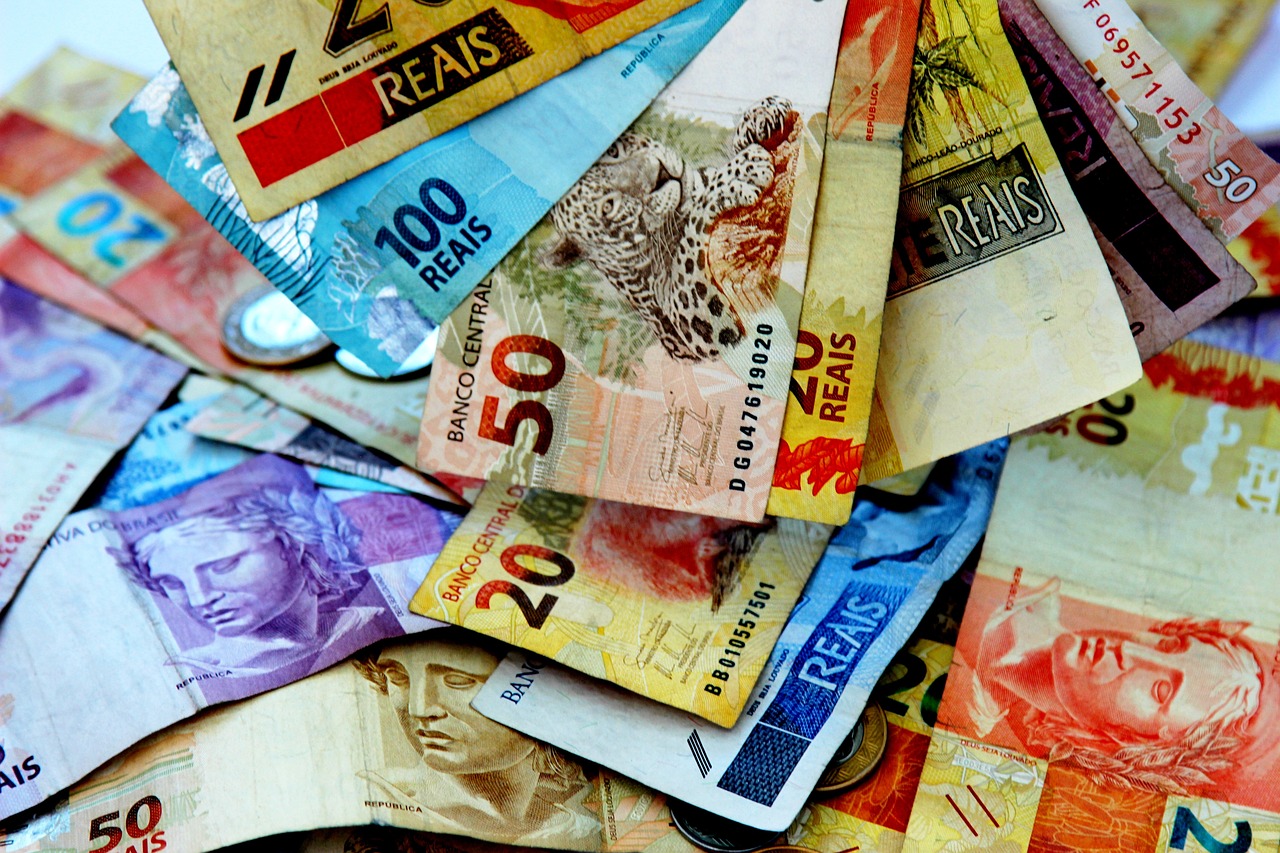
How do cryptocurrency platforms (e.g., Luno) handle USD-to-ZAR conversions?
For South Africans sending or receiving money internationally, understanding how cryptocurrency platforms like Luno handle USD-to-ZAR conversions is essential. These platforms act as digital intermediaries—buying USD from users and selling ZAR (or vice versa) using real-time market rates, often with added spreads. Luno sources its exchange rates from major liquidity providers and global forex benchmarks, then applies a transparent, fixed markup—typically 0.5% to 1.5%—to cover operational costs and risk management. Unlike traditional banks, Luno executes conversions instantly upon trade confirmation, reducing settlement delays common in legacy remittance corridors. Crucially, Luno complies with South Africa’s Financial Sector Regulation Act and registers with the FSCA as a crypto asset services provider. All USD/ZAR trades are subject to FICA verification, anti-money laundering checks, and daily transaction limits—ensuring regulatory alignment while maintaining speed and accessibility. For remittance businesses, integrating with compliant crypto platforms offers competitive edge: lower FX margins, near-instant settlements, and seamless API-driven onboarding. Partnering with regulated players like Luno helps fintechs expand cross-border payout options—especially for unbanked or underbanked recipients who prefer mobile-based ZAR receipts. In short, Luno’s USD-to-ZAR conversion blends crypto efficiency with financial oversight—making it a strategic tool for modern, cost-effective remittance solutions in emerging markets.What’s the typical spread on USD/ZAR forex trades with retail brokers?
When sending money from the US to South Africa, understanding the USD/ZAR forex spread is crucial for maximizing your remittance value. Retail brokers typically quote spreads between 1.5% and 3.5% on USD/ZAR trades—significantly wider than interbank rates (often under 0.1%). This “hidden fee” directly reduces how many ZAR your recipient receives. Why such a wide spread? Retail brokers bundle exchange rate margins with service fees to cover operational costs and profit—especially for low-volume, high-support transactions. Unlike institutional players, they lack access to deep liquidity pools, forcing reliance on wholesale providers who add their own markup. Smart remittance businesses mitigate this by partnering with providers offering transparent mid-market rates plus low flat fees—or even zero-margin FX. These models pass near-interbank pricing to customers, boosting trust and competitive advantage. For example, a $1,000 transfer at a 2.5% spread loses ~R450 vs. a 0.3% alternative. Always compare total cost—not just advertised fees. Request a breakdown showing the applied exchange rate versus the live mid-market rate. Transparency builds credibility, especially in markets like South Africa where recipients rely on every rand. Prioritizing narrow, disclosed spreads helps your business stand out—and deliver real value.Can I open a ZAR account in the US and deposit USD to be converted automatically?
Many South Africans living in the U.S. wonder: “Can I open a ZAR account in the US and deposit USD to be converted automatically?” The short answer is—no, not directly. U.S. banks typically don’t offer multi-currency accounts denominated in South African Rand (ZAR), nor do they provide automatic USD-to-ZAR conversion for domestic accounts.However, specialized remittance providers and fintech platforms bridge this gap seamlessly. Services like Wise, Revolut, or dedicated South African remittance partners allow you to hold, send, and convert currencies—including ZAR—at competitive mid-market rates. You can deposit USD via ACH or wire, then instantly convert to ZAR and transfer funds to a South African bank account—often within seconds.This automated, low-fee approach outperforms traditional banks, which charge high margins and slow processing times. Plus, real-time exchange rate alerts and scheduled transfers give you full control over timing and cost.For expats, freelancers, or families sending money home, choosing a licensed remittance service ensures compliance, transparency, and speed. Always verify regulatory licensing (e.g., FinCEN registration in the U.S. and FSCA oversight in SA) before transacting.Ready to send money to South Africa with better rates and instant conversion? Explore trusted, regulated remittance solutions today—and skip the bank markup.How accurate are Google’s or XE.com’s USD-to-ZAR rate estimates for actual transactions?
When sending money from the US to South Africa, many customers check Google or XE.com for the USD-to-ZAR exchange rate—only to discover their actual transfer receives a less favorable rate. These platforms display the mid-market (interbank) rate: the theoretical rate banks use when trading large volumes with each other. It’s not the rate you’ll get in real-world remittance transactions. Google and XE.com don’t factor in operational costs, compliance overhead, or profit margins—elements every licensed remittance provider must include. As a result, the final rate offered to customers is almost always lower (i.e., fewer ZAR per USD), sometimes by 2–5% or more. Hidden fees and dynamic markups further widen this gap. Reputable remittance businesses, like ours, commit to transparent pricing: we disclose both the exchange rate applied *and* any flat fees upfront—no surprises at payout. Our rates are competitively optimized using real-time liquidity partnerships, ensuring better value than generic rate aggregators. Before sending money, compare the *final received amount*—not just the headline rate. Trusted providers offer rate calculators, live chat support, and regulatory compliance (FCA, FSCA, FinCEN), giving you security and savings. For faster, fairer, and fully traceable USD-to-ZAR transfers, choose transparency over convenience.
About Panda Remit
Panda Remit is committed to providing global users with more convenient, safe, reliable, and affordable online cross-border remittance services。
International remittance services from more than 30 countries/regions around the world are now available: including Japan, Hong Kong, Europe, the United States, Australia, and other markets, and are recognized and trusted by millions of users around the world.
Visit Panda Remit Official Website or Download PandaRemit App, to learn more about remittance info.
Latest News

2026-10-21 10:33
2026-10-21 10:33

2026-10-21 10:33
2026-10-21 10:33