KRW to USD Conversion Guide: E-Commerce, ATMs, Hedging, Disputes, Legacy Notes & Brokerage
GPT_Global - 2026-10-21 08:32:57.0 0
How do I convert Won to Dollars for an e-commerce export business billing U.S. customers?
Converting Korean Won (KRW) to U.S. Dollars (USD) is a critical step for South Korean e-commerce exporters billing American customers. Accurate, transparent, and cost-effective currency conversion directly impacts pricing, profit margins, and customer trust. Relying on standard bank transfers or credit card networks often means hidden fees and unfavorable mid-market rates—eroding up to 3–5% per transaction. For high-volume exporters, these losses compound quickly. Instead, specialized remittance platforms offer real-time FX rates, low fixed fees, and batch processing—ideal for recurring B2C payments. Look for remittance providers compliant with both Korea’s FSC regulations and U.S. FinCEN requirements. Features like multi-currency virtual accounts, automated reconciliation APIs, and USD settlement within 1–2 business days streamline your finance operations and reduce manual errors. Pro tip: Avoid dynamic currency conversion (DCC) at checkout—let customers pay in USD using your preferred remittance partner. This gives you full control over exchange timing and rate locking, shielding your margins from KRW volatility. Partnering with a licensed, tech-forward remittance service transforms cross-border billing from a cost center into a competitive advantage—ensuring faster payouts, better compliance, and happier U.S. buyers.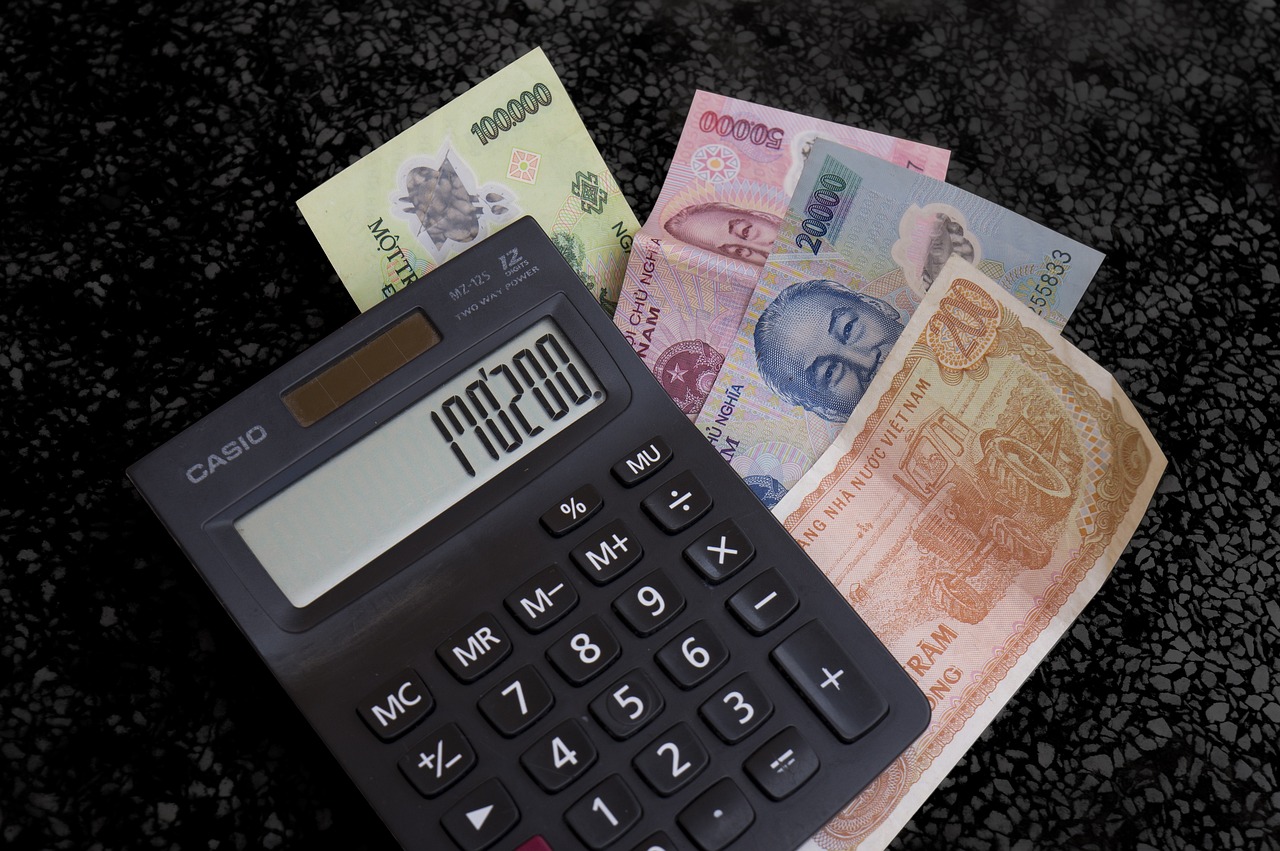
How do forward contracts work for businesses hedging against KRW/USD exchange rate risk?
Forward contracts are essential tools for businesses managing KRW/USD exchange rate risk—especially those regularly sending or receiving remittances between South Korea and the U.S. By locking in a predetermined exchange rate today for a transaction occurring at a future date (e.g., 30, 60, or 90 days out), companies eliminate uncertainty tied to currency volatility.For remittance providers and their corporate clients—such as Korean exporters paying U.S. suppliers or U.S.-based firms disbursing salaries to Korean staff—forward contracts ensure budget predictability and protect profit margins. Unlike spot transactions, forwards require no upfront payment; instead, they involve a simple agreement with a regulated financial institution or licensed remittance partner.Importantly, forward contracts are customizable: businesses choose the amount, maturity, and settlement date. No margin calls apply for standard over-the-counter (OTC) forwards, making them accessible even for SMEs. When the contract matures, settlement occurs at the agreed rate—regardless of prevailing market conditions.At our licensed remittance platform, we integrate forward hedging seamlessly into your payout workflow—offering competitive KRW/USD rates, transparent fees, and real-time tracking. Reduce FX exposure, improve cash flow forecasting, and strengthen cross-border trust—all with one integrated solution. Start hedging today and send smarter, not harder.Why might my bank show a different KRW-to-USD amount than the interbank rate quoted on Bloomberg?
When sending money from South Korea to the U.S., you may notice your bank converts KRW to USD at a rate significantly worse than the interbank rate shown on Bloomberg. This discrepancy is normal—but not always transparent. The interbank rate reflects wholesale currency trading between major financial institutions and is rarely available to retail customers. Banks and remittance providers add a margin—often 2–5% or more—to cover operational costs, risk, and profit. This “spread” is how most traditional banks earn revenue on FX transactions, meaning you receive fewer USD for the same KRW amount. Additionally, some banks apply dynamic pricing, hidden fees, or tiered exchange rates based on transaction size or customer tier—further widening the gap. Unlike regulated, real-time interbank benchmarks, retail rates are proprietary and non-negotiable. Specialized remittance services often offer tighter spreads—sometimes as low as 0.5%—and upfront, all-in pricing. By comparing total cost (exchange rate + fees), not just the headline rate, you gain true value transparency. For frequent or larger transfers, choosing a licensed, digital-first remittance provider can save hundreds annually versus traditional banks—without compromising security or speed. Always check the mid-market rate via XE or OANDA before initiating a transfer.How do I dispute an incorrect KRW-to-USD conversion charge on my credit card statement?
Disputing an incorrect KRW-to-USD conversion charge on your credit card statement is a common but time-sensitive concern for international remitters. Exchange rate fluctuations, dynamic currency conversion (DCC) fees, and bank markup policies can all lead to unexpected charges—especially when sending money from South Korea to the U.S. First, review your statement carefully: note the transaction date, amount in KRW, converted USD value, and the effective exchange rate used. Compare it with the mid-market rate (e.g., via XE or OANDA) on that date. A discrepancy of more than 3–5% may indicate an unfair markup or DCC fee applied without consent. Next, contact your credit card issuer immediately—most banks require disputes within 60 days. Provide evidence: screenshots of the original transfer, rate comparisons, and any merchant disclosures. If the charge involved a third-party remittance service, also notify them directly for transparency and potential resolution. Proactively avoid future issues by choosing remittance providers that disclose all fees upfront and use transparent, mid-market-based FX rates—like [Your Business Name], which guarantees no hidden conversion markups and real-time rate locking. Understanding your rights and acting swiftly ensures fair treatment and protects your hard-earned funds.What’s the minimum and maximum amount I can convert from Won to Dollars at a Seoul foreign exchange bank?
Planning a currency exchange from Korean Won (KRW) to US Dollars (USD) in Seoul? Understanding the minimum and maximum conversion limits at local foreign exchange banks is essential for smooth, compliant remittances. Most authorized banks in Seoul—such as KB Kookmin, Shinhan, and Woori—set a minimum transaction amount of ₩10,000 KRW (approx. $7.50 USD), ensuring operational efficiency and regulatory adherence. For maximum limits, regulations vary by bank and customer profile. Standard retail customers typically face daily caps of ₩50 million KRW (~$37,500 USD), while higher limits may apply for verified business accounts or with prior documentation. Under South Korea’s Foreign Exchange Act, transactions over ₩10 million require source-of-funds verification, and amounts exceeding ₩50 million often trigger enhanced due diligence. At our licensed remittance service, we offer competitive KRW-to-USD rates with flexible limits—from as low as ₩5,000 KRW up to ₩100 million KRW per transaction—backed by real-time compliance checks and instant online tracking. No hidden fees. No delays. Just secure, transparent cross-border transfers tailored for individuals and SMEs alike. Visit our website today to compare rates and initiate your Seoul-based conversion in under 90 seconds.Can I convert Won to Dollars through a U.S. brokerage account if I hold KRW-denominated assets?
Many investors holding Korean Won (KRW)-denominated assets—such as Korean ETFs, bonds, or ADRs traded on local exchanges—wonder: “Can I convert Won to Dollars through a U.S. brokerage account?” The short answer is usually *no*. Most U.S. brokerages (e.g., Fidelity, Schwab, E*TRADE) do not support direct KRW deposits, withdrawals, or in-account currency conversion. They operate primarily in USD and offer limited foreign exchange services—typically only for major currencies like EUR, GBP, or JPY, and often only upon deposit/withdrawal, not for settling KRW holdings. If you hold KRW assets abroad, converting them to USD usually requires first selling the asset for KRW, then wiring those funds to a Korean bank or a specialized remittance provider offering competitive KRW-to-USD exchange rates and fast settlement. Licensed remittance services provide better transparency, lower fees, and real-time mid-market rates—unlike brokerage FX markups that can exceed 3–5%. For seamless, cost-effective conversions, choose a regulated remittance platform with Korea-U.S. corridors, instant online transfers, and full compliance (MSB license, FinCEN registration). Avoid hidden fees and delayed processing—prioritize speed, security, and rate clarity. Start your next KRW-to-USD transfer today with a trusted, low-cost solution built for cross-border investors.
About Panda Remit
Panda Remit is committed to providing global users with more convenient, safe, reliable, and affordable online cross-border remittance services。
International remittance services from more than 30 countries/regions around the world are now available: including Japan, Hong Kong, Europe, the United States, Australia, and other markets, and are recognized and trusted by millions of users around the world.
Visit Panda Remit Official Website or Download PandaRemit App, to learn more about remittance info.
Latest News

2026-10-21 09:33
2026-10-21 09:33