USD to BRL Conversion Guide: Rates, Fees, Rules & Truths
GPT_Global - 2026-10-21 19:05:45.0 0
What’s the difference between the “mid-market rate” and the rate shown on most dollar-to-real converters?
When sending money from the US dollar (USD) to the Brazilian real (BRL), understanding exchange rates is crucial—especially for cost-conscious remitters. The “mid-market rate” is the true, real-time exchange rate—the midpoint between what banks buy and sell a currency for. It’s the rate you’ll see on financial platforms like Reuters or XE, and it reflects actual market value without markup. Most online dollar-to-real converters, however, display a retail rate—not the mid-market rate. These rates include hidden fees or margins added by banks or traditional money transfer services. That markup can range from 2% to 5% (or more), significantly reducing how many reais your recipient gets. For example, a $1,000 transfer could lose up to R$250 in unnecessary costs. At [Your Remittance Business], we offer transparent pricing with rates as close as possible to the mid-market rate—and clearly disclose all fees upfront. No surprises. No hidden spreads. Just fair, competitive exchange rates powered by real-time market data. Choosing a provider that prioritizes transparency helps you send more value to loved ones in Brazil. Always compare the rate shown *against* the live mid-market rate (check XE.com or Google) before confirming your transfer. Smart remitting starts with knowing the difference—and demanding better.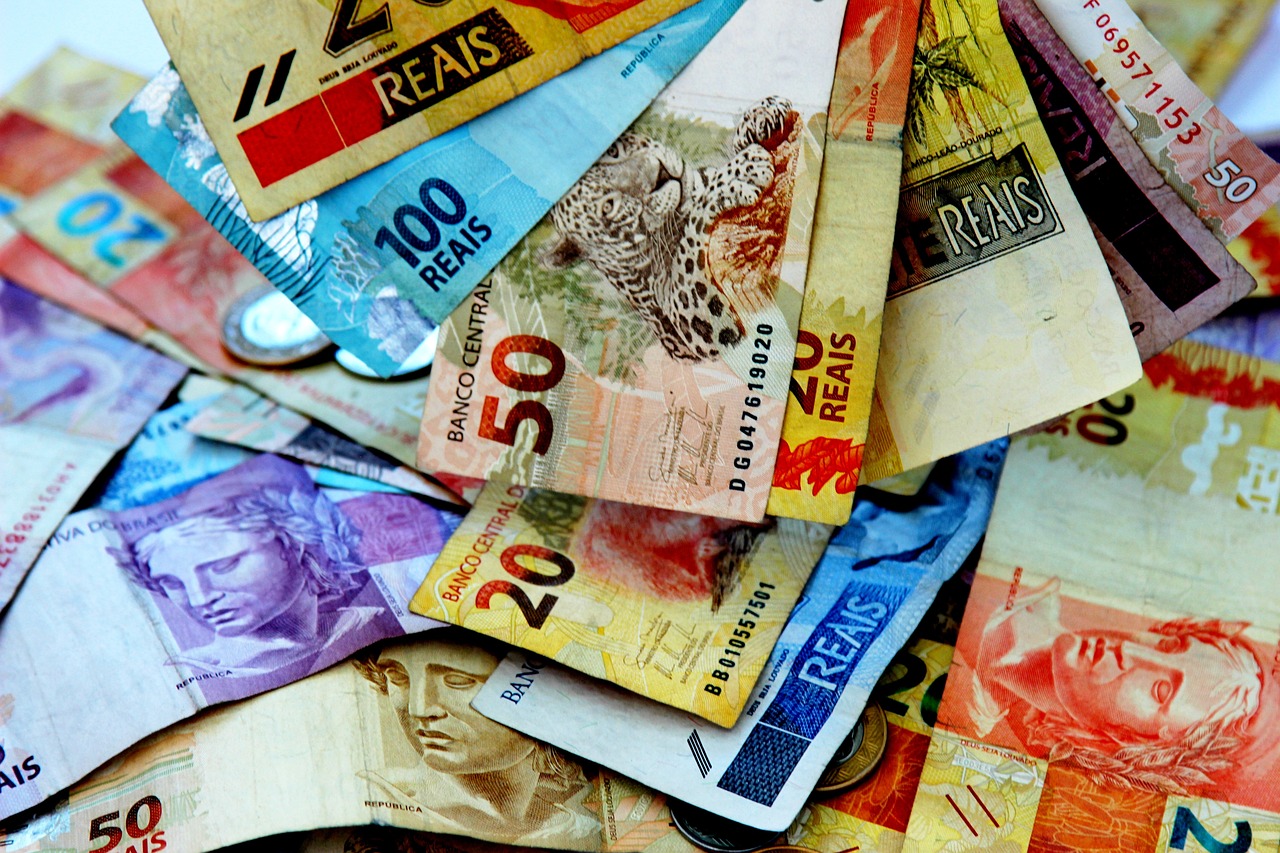
Can I convert dollars to reais using PayPal, and what fees apply?
Yes, you can convert U.S. dollars (USD) to Brazilian reais (BRL) using PayPal—but with important caveats for remittance users. While PayPal supports currency conversion and cross-border transfers, it’s not optimized for low-cost, high-volume international money transfers to Brazil. PayPal applies a multi-layered fee structure: a fixed transaction fee (varies by country), a dynamic currency conversion (DCC) markup—often 2.5%–4% above the mid-market rate—and possible receiving fees if the recipient withdraws to a Brazilian bank account. These markups are significantly higher than specialized remittance providers like Wise, Remessa Online, or Banco Inter, which offer transparent, near-mid-market rates and lower flat fees. Additionally, PayPal lacks local BRL payout options such as TED or PIX, meaning recipients may face delays and extra bank charges when withdrawing funds. For urgent or recurring transfers to family in Brazil, dedicated remittance services typically deliver faster, cheaper, and more reliably. If you prioritize convenience over cost and already use PayPal regularly, it *can* work for small, occasional transfers. But for value, speed, and transparency—especially for larger sums—specialized remittance platforms are the smarter choice. Always compare real-time exchange rates and all-in fees before sending.How do I convert USD to BRL for accounting purposes in double-entry bookkeeping?
Converting USD to BRL for accounting in double-entry bookkeeping is essential for remittance businesses operating between the U.S. and Brazil. Accurate currency conversion ensures compliance with both U.S. GAAP and Brazilian CPC standards, while maintaining audit-ready financial records. When recording a USD-to-BRL transaction, debit the local currency (BRL) cash or bank account at the *spot exchange rate on the transaction date*, and credit the USD receivable (or revenue) using that same rate. Never use historical or forecasted rates—only the official mid-market or bank-quoted rate valid on the settlement date. Any resulting foreign exchange gain or loss must be recognized immediately in the income statement under “FX Gain/Loss”—a mandatory requirement under IFRS 21 and CPC 02. This preserves the integrity of your double-entry ledger and reflects true economic performance. For remittance providers, automating this process via integrated accounting software (e.g., Xero, QuickBooks Online with FX modules) reduces manual errors and ensures real-time, compliant journal entries. Always retain documentation: bank slips, FX confirmations, and timestamped rate sources. Staying precise with USD/BRL conversions strengthens trust with regulators like the Central Bank of Brazil (BCB) and IRS—and helps avoid penalties during cross-border audits. Partner with licensed FX providers and certified accountants familiar with both jurisdictions to safeguard accuracy and scalability.Is there a government-regulated official USD/BRL converter in Brazil?
When sending money from the US to Brazil, many customers wonder: “Is there a government-regulated official USD/BRL converter in Brazil?” The short answer is no—Brazil does not have a single, government-mandated exchange rate for USD/BRL conversions. Instead, the Central Bank of Brazil (Banco Central do Brasil) oversees foreign exchange operations and ensures market transparency, but it does not set or enforce a universal retail conversion rate. Exchange rates for USD/BRL are determined by supply and demand in the interbank market and vary across banks, fintechs, and remittance providers. While the BCB publishes reference rates (like the PTAX rate) daily for tax and accounting purposes, these are *not binding* for consumer transactions. Remittance businesses must disclose their exchange rates and fees clearly—per BCB Resolution No. 4,873/2020—to ensure fairness and compliance. For your remittance business, this means transparency builds trust: highlight your mid-market rate + low margin, real-time rate locks, and zero hidden fees. Customers appreciate predictability—and choosing a BCB-compliant provider signals credibility. Always verify your partner’s authorization with the BCB’s registry (Cadastro de Prestadores de Serviços de Câmbio) to ensure full regulatory alignment.Do currency converter websites show the real interbank rate or a retail markup?
When sending money abroad, understanding currency conversion is crucial. Many users assume currency converter websites display the real interbank (wholesale) exchange rate—the rate banks use when trading large volumes with each other. In reality, most free online converters show either the mid-market rate (a theoretical average of buy/sell rates) or, more commonly, a retail rate padded with a hidden markup. This markup—often 2% to 5% or more—is how many remittance providers and even some banks generate revenue. While reputable services like Wise or Revolut clearly disclose their margin, others embed fees in the exchange rate itself, making comparisons difficult. Consumers may unknowingly overpay without checking both the displayed rate and the final amount received. For remittance businesses, transparency builds trust. Highlighting your true exchange rate (e.g., “0.5% markup—fully disclosed”) differentiates you from opaque competitors. Educating customers about interbank vs. retail rates empowers informed decisions—and boosts conversion. Always pair your rate with a live, no-fee estimate tool that shows exactly how much the recipient gets. Bottom line: If a converter seems “too good to be true,” it likely hides costs. Choose—or become—a remittance partner that values clarity over camouflage. Your customers—and your reputation—will thank you.
About Panda Remit
Panda Remit is committed to providing global users with more convenient, safe, reliable, and affordable online cross-border remittance services。
International remittance services from more than 30 countries/regions around the world are now available: including Japan, Hong Kong, Europe, the United States, Australia, and other markets, and are recognized and trusted by millions of users around the world.
Visit Panda Remit Official Website or Download PandaRemit App, to learn more about remittance info.
Latest News