USD to BRL Conversion Guide: Timing, Rates, Inflation, Automation & APIs
GPT_Global - 2026-10-21 19:05:48.0 0
Is it better to convert USD to BRL before leaving the U.S. or after arriving in Brazil?
When sending money from the U.S. to Brazil, many wonder: *Is it better to convert USD to BRL before leaving the U.S. or after arriving in Brazil?* For most remittance users, converting *after* arrival—via a trusted digital remittance service—is smarter, faster, and more cost-effective. U.S.-based airport kiosks and banks often charge steep fees (up to 10–15%) and offer poor exchange rates. In contrast, licensed online remittance platforms provide mid-market rates, transparent low fees, and instant transfers directly to Brazilian bank accounts or cash pickup locations—no physical travel needed. Converting in Brazil via local banks or exchange houses may seem convenient, but tourists and expats frequently face ID restrictions, daily limits, and less competitive rates without prior registration. Digital services bypass these hurdles with secure KYC verification done remotely. Plus, timing matters: BRL is volatile. Reputable remittance providers offer rate alerts and forward contracts, letting you lock in favorable USD/BRL rates *before* sending—giving you control, not guesswork. Bottom line: Skip the airport booth. Use a regulated, Brazil-focused remittance platform for better rates, lower fees, and faster delivery—whether you’re supporting family, paying bills, or managing cross-border expenses. Start your next transfer today and save up to 7x more than traditional banks.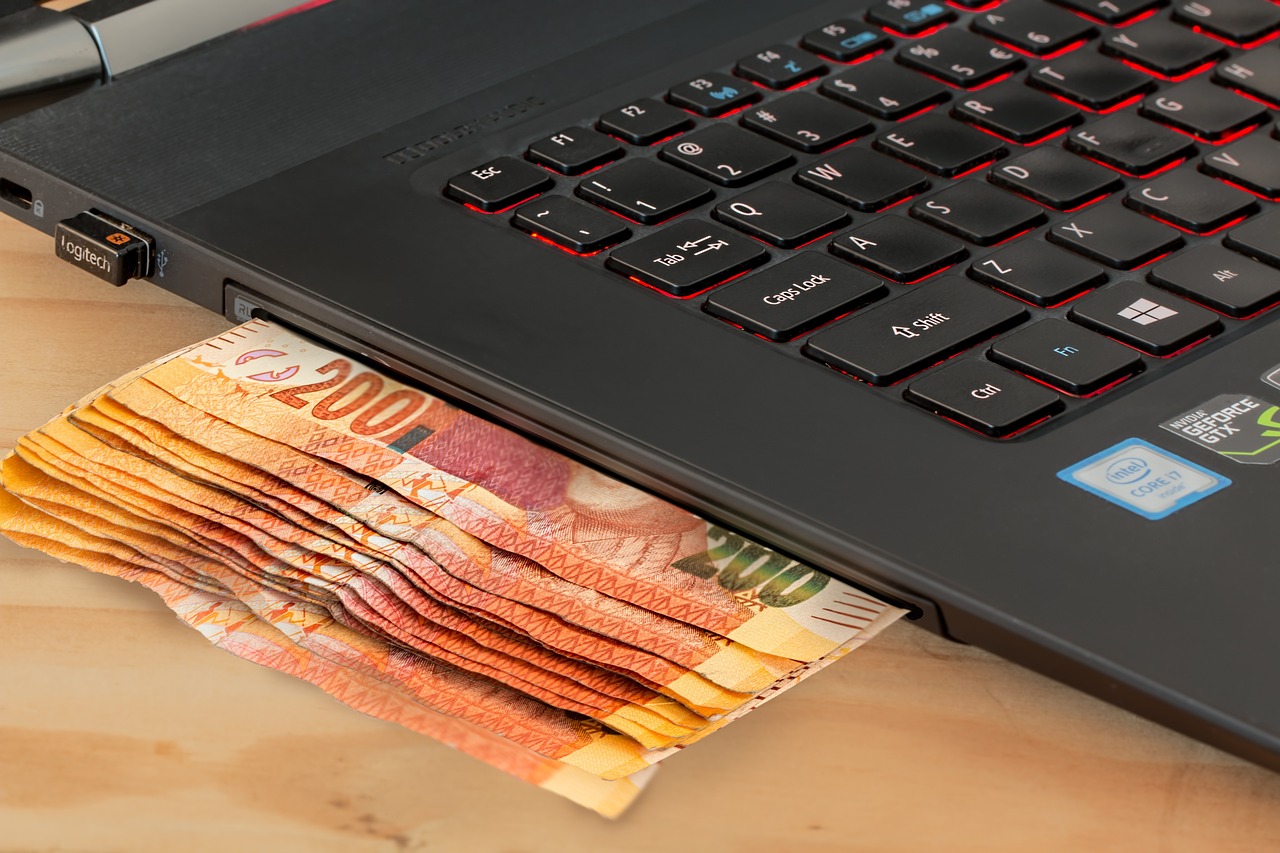
How do I verify if a dollar-to-real converter uses ISO 4217-compliant currency codes?
When choosing a dollar-to-real converter for your remittance business, verifying ISO 4217 compliance is essential for accuracy, regulatory alignment, and cross-border trust. ISO 4217 is the international standard that defines three-letter currency codes—USD for US Dollar and BRL for Brazilian Real—ensuring consistency across financial systems, APIs, and banking infrastructure. To verify compliance, inspect the converter’s documentation or API response: legitimate services will explicitly use “USD” and “BRL”, never abbreviations like “US$”, “R$”, or “REAL”. Check for official ISO 4217 references on their website or integration guides—and avoid tools displaying non-standard codes like “BR” or “BRLR”. You can also cross-reference codes via the official ISO Online Browsing Platform (OBP) or reputable sources like the SWIFT registry. Non-compliant converters risk transaction failures, reconciliation errors, and AML/KYC reporting inaccuracies—especially critical under Brazil’s Central Bank (BACEN) regulations. For remittance providers, using ISO-certified tools strengthens audit readiness and enhances partner interoperability with banks and payment networks. Prioritize converters integrated with ISO-validated data sources and updated in real time. This small verification step significantly reduces operational friction, supports scalability into LATAM markets, and reinforces your brand’s commitment to global financial standards.Do travel cards (like Revolut or Nubank Travel Card) offer real-time USD/BRL conversion?
Travel cards like Revolut and Nubank Travel Card are increasingly popular among Brazilians sending money abroad—or receiving funds from overseas. But do they offer real-time USD/BRL conversion? The short answer is: often yes—but with important caveats. These cards typically use interbank or mid-market rates at the time of transaction, which closely reflect real-time FX markets. However, “real-time” doesn’t mean “fee-free.” Both Revolut and Nubank may apply foreign exchange markups (especially outside free-tier allowances) or impose dynamic currency conversion (DCC) fees if merchants process payments in BRL instead of USD. Users must manually select USD as the spending currency to lock in the best available rate—otherwise, conversions happen post-transaction, potentially at less favorable rates. For remittance businesses targeting Brazilian users, this matters: transparent, real-time FX is a key differentiator. Unlike traditional banks or legacy remittance providers, fintech travel cards empower users with control—but only when understood and used correctly. Highlighting this transparency—and pairing it with lower-cost, instant transfers—builds trust and drives adoption. Ultimately, while Revolut and Nubank *support* real-time USD/BRL conversion, success hinges on user education and integration with seamless, low-fee remittance rails. That’s where forward-thinking remittance platforms gain a competitive edge.How do inflation differences between the U.S. and Brazil affect long-term USD-to-BRL conversion planning?
When planning long-term USD-to-BRL conversions for remittances, inflation differentials between the U.S. and Brazil are critical. The U.S. Federal Reserve targets ~2% annual inflation, while Brazil’s IPCA has historically averaged 5–10%, spiking above 12% in recent volatile years. This persistent gap erodes BRL purchasing power faster than USD, making future BRL receipts worth significantly less in real terms. For remittance senders—especially diaspora workers supporting families in Brazil—unhedged long-term transfers face steep hidden costs. A $1,000 monthly remittance today may buy 15% fewer groceries in São Paulo five years from now if BRL inflation outpaces USD depreciation. Forward contracts, inflation-linked hedging tools, and staggered conversion strategies help mitigate this risk. Remittance businesses that proactively educate clients on inflation-aware planning build trust and retention. Offering inflation-adjusted rate alerts, multi-month forward lock-in options, and localized cost-of-living comparisons strengthens competitive positioning. Partnering with Brazilian financial advisors or integrating real-time IPCA/ CPI data into dashboards adds tangible value. Ignoring U.S.–Brazil inflation divergence isn’t just risky—it’s costly. Smart, long-term USD-to-BRL planning starts with understanding that exchange rates reflect more than supply and demand: they embody divergent monetary realities. Prioritize inflation intelligence to protect your customers’ hard-earned money—and your business’s reputation.Can I convert USD to BRL using Google Search directly — and how accurate is it?
Yes, you can convert USD to BRL directly in Google Search—just type “USD to BRL” or “100 USD in BRL,” and Google displays an instant, real-time exchange rate. However, this rate is the mid-market (interbank) rate—ideal for reference but not what you’ll receive when sending money. Google’s conversion tool pulls data from financial APIs and updates frequently, making it reasonably accurate for spot-rate awareness. Yet it doesn’t reflect fees, markup margins, or local banking charges—critical factors for international remittances. Most banks and traditional services add 3–7% above the mid-market rate, significantly reducing the final BRL amount received. For reliable, cost-effective USD-to-BRL transfers, choose a licensed remittance provider offering transparent pricing, low FX margins (<1%), and fast delivery to Brazilian bank accounts or cash pickup points. Look for platforms with regulatory compliance (e.g., Brazil’s Bacen and U.S. FinCEN), real-time tracking, and customer support in both languages. While Google Search offers convenience and speed, it’s not a remittance service. Always compare the final delivered BRL—not just the displayed rate—before sending. Smart senders use Google for benchmarking, then switch to specialized providers for better value, security, and speed.What’s the impact of the U.S. Federal Reserve and Banco Central do Brasil interest rate decisions on USD/BRL conversion?
Understanding how central bank policies affect USD/BRL exchange rates is critical for remittance businesses and their customers. When the U.S. Federal Reserve raises interest rates, the U.S. dollar typically strengthens as higher yields attract foreign capital—increasing demand for USD and pushing up the USD/BRL rate. Conversely, when the Banco Central do Brasil hikes its benchmark Selic rate, the Brazilian real often appreciates, making USD/BRL cheaper for Brazilian recipients. These rate decisions directly influence remittance costs and payout values. A rising USD/BRL means senders get fewer reais per dollar—reducing recipient value unless fees or margins are adjusted. Likewise, a stronger BRL can improve payout amounts but may compress margins for remittance providers operating with fixed-rate offerings. Staying ahead of Fed and BCB announcements allows remittance firms to optimize hedging strategies, adjust pricing dynamically, and communicate transparently with customers about rate volatility. Real-time FX monitoring and flexible rate-lock tools help mitigate risk and build trust—key drivers in competitive emerging-market corridors like the U.S.-Brazil corridor. For your business, integrating central bank policy insights into operational planning isn’t optional—it’s essential for margin control, customer satisfaction, and sustainable growth in Brazil’s fast-evolving financial landscape.How do I convert recurring USD payments (e.g., subscriptions) into BRL automatically?
Converting recurring USD payments—like SaaS subscriptions or streaming services—into BRL automatically is a growing need for Brazilian consumers and businesses alike. Manual currency conversion each billing cycle is time-consuming, error-prone, and exposes users to volatile exchange rates. Modern remittance platforms now offer automated recurring payment solutions that integrate directly with global billing systems. Using API-driven infrastructure, these services fetch USD charges in real time, apply competitive, transparent mid-market exchange rates (with no hidden markups), and settle BRL directly into the recipient’s local bank account—on schedule, every time. Key advantages include: scheduled auto-conversion aligned with subscription cycles, real-time FX rate locking at initiation, full audit trails for compliance, and seamless reconciliation via dashboard reporting. Unlike traditional banks or legacy providers, specialized remittance platforms support recurring workflows natively—not as afterthoughts. For Brazilian freelancers accepting USD retainers, e-commerce sellers managing international subscriptions, or families supporting relatives abroad, automated USD-to-BRL recurring conversion reduces friction, improves cash flow predictability, and eliminates surprise fees. With Brazil’s increasing digital adoption and regulatory clarity around cross-border fintech, this capability is no longer optional—it’s essential. Choose a licensed, BACEN-compliant remittance partner offering dedicated recurring payment automation, not just one-off transfers—and gain reliability, savings, and peace of mind on every subscription cycle.Are there open-source libraries (e.g., Python’s `forex-python` or `exchangerate-api`) that support real-time USD/BRL conversion?
For remittance businesses operating between the U.S. and Brazil, accurate, real-time USD/BRL exchange rate data is essential for transparency, compliance, and competitive pricing. Fortunately, several open-source and freemium libraries support this need—though with important caveats. Python’s `forex-python` offers simple rate lookups but relies on deprecated or unreliable free APIs (e.g., Yahoo Finance), delivering only delayed or stale USD/BRL data—unsuitable for live remittance calculations. Similarly, `exchangerate-api` provides a generous free tier, but its “real-time” label is misleading: most free plans update rates every 1–6 hours, not seconds. True real-time USD/BRL conversion requires institutional-grade feeds—like those from XE, OANDA, or central bank sources (e.g., BACEN’s daily PTAX rate). While not open-source, many offer affordable API plans with sub-minute updates, full audit trails, and ISO 20022-compliant documentation—critical for AML/KYC reporting. Smart remittance platforms layer open-source tools for prototyping and fallback logic, but production systems pair them with certified financial data providers. Prioritize reliability over convenience: inaccurate rates risk margin erosion, customer disputes, and regulatory scrutiny. Always validate latency, uptime SLAs, and BRL-specific liquidity coverage before integration.
About Panda Remit
Panda Remit is committed to providing global users with more convenient, safe, reliable, and affordable online cross-border remittance services。
International remittance services from more than 30 countries/regions around the world are now available: including Japan, Hong Kong, Europe, the United States, Australia, and other markets, and are recognized and trusted by millions of users around the world.
Visit Panda Remit Official Website or Download PandaRemit App, to learn more about remittance info.
Latest News