USD to HNL Exchange Rate Guide: Rates, Fees & Smart Conversion Tips
GPT_Global - 2026-10-22 16:04:41.0 19
What’s the difference between the “buy” and “sell” rate for USD/HNL?
When sending money from the US to Honduras, understanding the difference between the “buy” and “sell” rate for USD/HNL is essential to maximize your remittance value. The “sell” rate is what you pay—how many Honduran Lempiras (HNL) you receive per US Dollar (USD) when converting funds. The “buy” rate, conversely, is what a provider would pay *you* if you were exchanging HNL back to USD—a scenario rarely relevant for senders. Remittance providers quote both rates, but only the “sell” rate applies to outbound transfers. The gap between these two rates—the spread—is how providers earn revenue. A narrow spread signals competitive pricing; a wide one may indicate hidden costs. Always compare live USD/HNL sell rates across platforms—not just fees—to assess true value. For Honduran families relying on US remittances, even a 2–3% difference in the sell rate can mean hundreds of extra lempiras annually. Reputable remittance services display transparent, mid-market-aligned rates with low or zero transfer fees. Avoid banks or outdated agents offering opaque “flat-rate” deals—they often embed poor exchange rates instead. Before sending, check real-time USD/HNL rates via trusted financial sources, then verify your provider’s displayed sell rate. Smart comparisons protect your hard-earned dollars—and ensure more support reaches loved ones in Honduras.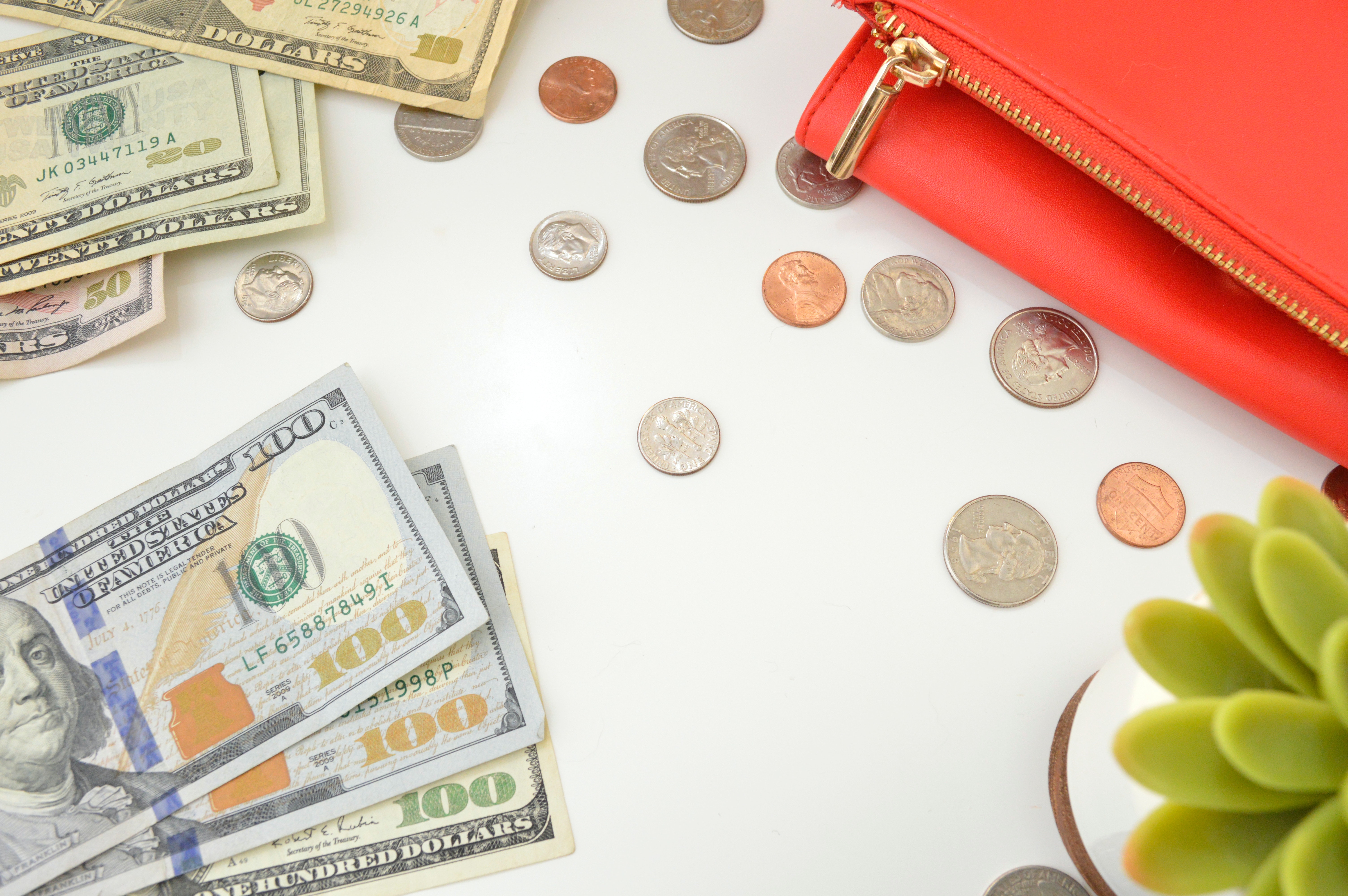
Do Honduran casinos or resorts accept USD, or should I convert everything to HNL?
Traveling to Honduras? Many visitors wonder whether Honduran casinos or resorts accept USD—or if they should convert everything to lempiras (HNL). The good news: most upscale resorts, international hotel chains, and major casinos in cities like Tegucigalpa, San Pedro Sula, and the Bay Islands *do* accept U.S. dollars, especially for high-value transactions like room bookings, spa services, or gaming chips. However, relying solely on USD isn’t always ideal. Smaller establishments, local restaurants, taxis, and street vendors often prefer HNL—and may give poor exchange rates or refuse USD outright. Additionally, change is almost always given in lempiras, potentially leaving you with unused foreign cash. This is where a trusted remittance service shines. Instead of carrying large sums of USD or hunting for fair exchange rates at airport kiosks, use a licensed remittance provider to send funds directly to a Honduran bank account or mobile wallet—instantly converted at competitive, transparent rates. Many services offer same-day disbursements and low fees—far better than tourist exchange booths. For travelers and Hondurans abroad sending money home, choosing a regulated remittance partner ensures security, speed, and value—whether funding a resort stay or supporting family. Always verify licensing and compare rates before sending. Safe travels—and smarter money moves!How do remittance services like Remitly or WorldRemit compare in USD-to-HNL transfer value?
When sending money from the U.S. to Honduras (HNL), choosing the right remittance service significantly impacts how much your recipient receives. Providers like Remitly and WorldRemit offer fast, digital transfers—but their USD-to-HNL exchange rates and fees vary widely. Remitly typically advertises competitive mid-market exchange rates with transparent, low flat fees—especially for express transfers. Its “Economy” option may offer better value for larger amounts sent less urgently. In contrast, WorldRemit often provides a broader range of payout options (bank deposit, mobile wallet, cash pickup) and sometimes features promotional exchange rates for first-time users, though its standard margin can be slightly wider than Remitly’s. As of 2024, both services frequently quote rates within 1–3% of the mid-market rate—but hidden markups and dynamic pricing mean real value depends on transfer amount, speed, and payout method. For example, a $500 transfer may yield ~$1,200–$1,230 HNL with Remitly (Express) versus ~$1,190–$1,225 with WorldRemit (Standard). To maximize value, always compare total cost—not just fees—using each platform’s real-time calculator. Also, check for local bank charges or mobile wallet limits in Honduras. For reliable, low-cost USD-to-HNL transfers, consistency, transparency, and recipient convenience should guide your choice—not just speed or branding.Is there a tax or fee imposed by the Honduran government on foreign currency exchange?
For individuals and businesses sending money to Honduras, understanding local financial regulations is essential. One common question is whether the Honduran government imposes a tax or fee on foreign currency exchange. The short answer is: no, Honduras does not levy a specific tax or mandatory fee on foreign currency exchange transactions themselves. However, it’s important to note that while there’s no direct exchange tax, banks and authorized exchange houses (casas de cambio) may apply their own service fees or offer less favorable exchange rates—effectively increasing the cost of conversion. These margins are not government-mandated but are market-driven and regulated by the Central Bank of Honduras (BCH) for transparency and consumer protection. Remittance providers operating in Honduras must comply with anti-money laundering (AML) rules and report large transactions, but these requirements don’t translate into additional taxes on FX. Instead, reliability, speed, and competitive rates remain key differentiators for remittance services targeting Honduran recipients. Choosing a licensed, BCH-registered remittance partner ensures compliance and helps customers avoid hidden costs. By prioritizing transparent pricing and real-time exchange rate disclosure, your business builds trust—and stands out in Honduras’ growing digital remittance market.Can I lock in a USD-to-HNL exchange rate for a future date (forward contract)?
Yes, you can lock in a USD-to-HNL exchange rate for a future date using a forward contract—a valuable tool for anyone sending money to Honduras. Forward contracts allow remitters to secure today’s favorable rate for settlement up to 12 months ahead, shielding them from unexpected Honduran lempira (HNL) volatility. This predictability is especially beneficial for families relying on regular U.S. dollar remittances—whether for rent, education, or medical expenses. By eliminating exchange rate uncertainty, forward contracts help budget more accurately and avoid potential losses if the HNL weakens against the USD before your transfer date. Not all remittance providers offer forward contracts, and terms vary. Reputable services typically require a small, refundable deposit (often 2–5% of the total amount) to reserve the rate. Settlement is completed on the agreed date, regardless of market fluctuations—giving peace of mind and financial control. Before committing, compare fees, minimum transfer amounts, and cancellation policies. Some providers integrate forwards seamlessly into their digital platforms, enabling quick setup with full transparency. For frequent or large remittances to Honduras, a forward contract isn’t just convenient—it’s a smart risk-management strategy. Secure your rate today and send with confidence tomorrow. Ask your trusted remittance partner about USD-to-HNL forward contracts—and turn exchange rate anxiety into certainty.What historical trends should I consider when planning a large USD-to-HNL conversion?
When planning a large USD-to-HNL conversion, understanding historical exchange rate trends is essential for maximizing value and minimizing risk. Over the past decade, the Honduran lempira (HNL) has generally trended toward gradual depreciation against the US dollar—averaging 24–25 HNL per USD—though punctuated by volatility during political instability, natural disasters (e.g., Hurricanes Eta and Iota in 2020), and shifts in U.S. monetary policy. Central Bank interventions and inflation differentials also play key roles: Honduras’ higher inflation (often 6–8% annually vs. U.S. ~2–3%) historically pressures HNL downward. Meanwhile, remittance inflows—which account for over 25% of Honduras’ GDP—create recurring USD demand, occasionally stabilizing the rate during peak sending seasons (e.g., December and summer months). For businesses and individuals moving large sums, monitoring multi-year charts, upcoming U.S. Fed rate decisions, and Honduran election cycles helps time conversions strategically. Avoiding periods of high local political uncertainty or post-disaster currency stress can yield meaningful savings. At [Your Remittance Business], we offer rate alerts, forward contracts, and expert guidance tailored to USD-to-HNL transfers—ensuring transparency, competitive rates, and smarter timing for every transaction. Contact us today for a personalized strategy.
About Panda Remit
Panda Remit is committed to providing global users with more convenient, safe, reliable, and affordable online cross-border remittance services。
International remittance services from more than 30 countries/regions around the world are now available: including Japan, Hong Kong, Europe, the United States, Australia, and other markets, and are recognized and trusted by millions of users around the world.
Visit Panda Remit Official Website or Download PandaRemit App, to learn more about remittance info.
Latest News