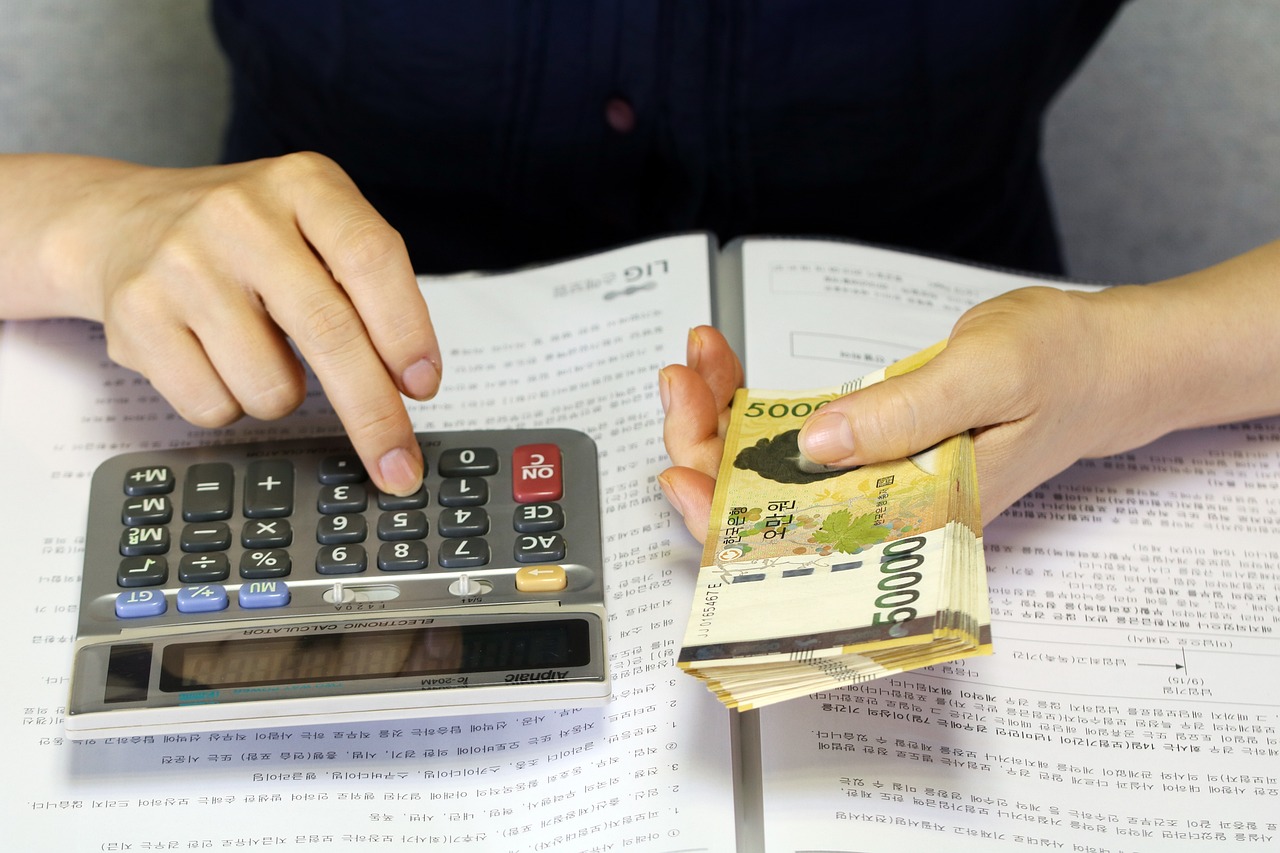
$1 to KRW Exchange Rate Explained: Time Zones, Geopolitics, Fees & Real-World Rates
GPT_Global - 2026-10-29 20:04:54.0 0
Does the time of day affect the $1 to KRW conversion rate? (e.g., NYC vs. Seoul market hours)
Many customers wonder: Does the time of day affect the $1 to KRW conversion rate? The short answer is yes—market liquidity and overlapping trading hours significantly influence exchange rates. When New York (EST) and Seoul (KST) markets overlap—roughly 9:00 PM–12:00 AM EST—the USD/KRW pair often sees tighter spreads and higher volatility due to increased trading volume. During Asian market hours (Seoul open at 9:00 AM KST), Korean won demand tends to rise with local corporate activity and import/export settlements. Conversely, U.S. market hours (9:30 AM–4:00 PM EST) bring dollar-driven flows that can push KRW weaker or stronger depending on Fed sentiment and risk appetite. For remittance businesses and senders, timing matters. Sending money just before major market opens—or avoiding low-liquidity windows like late-night EST—can yield better rates and faster execution. Real-time rate alerts and scheduled transfers help lock in favorable USD/KRW rates aligned with peak market activity. At [Your Remittance Brand], we monitor global FX sessions 24/7 and offer transparent, mid-market rates—no hidden markups. Our smart-scheduling tool recommends optimal send times based on live liquidity data, helping you maximize every dollar sent to Korea.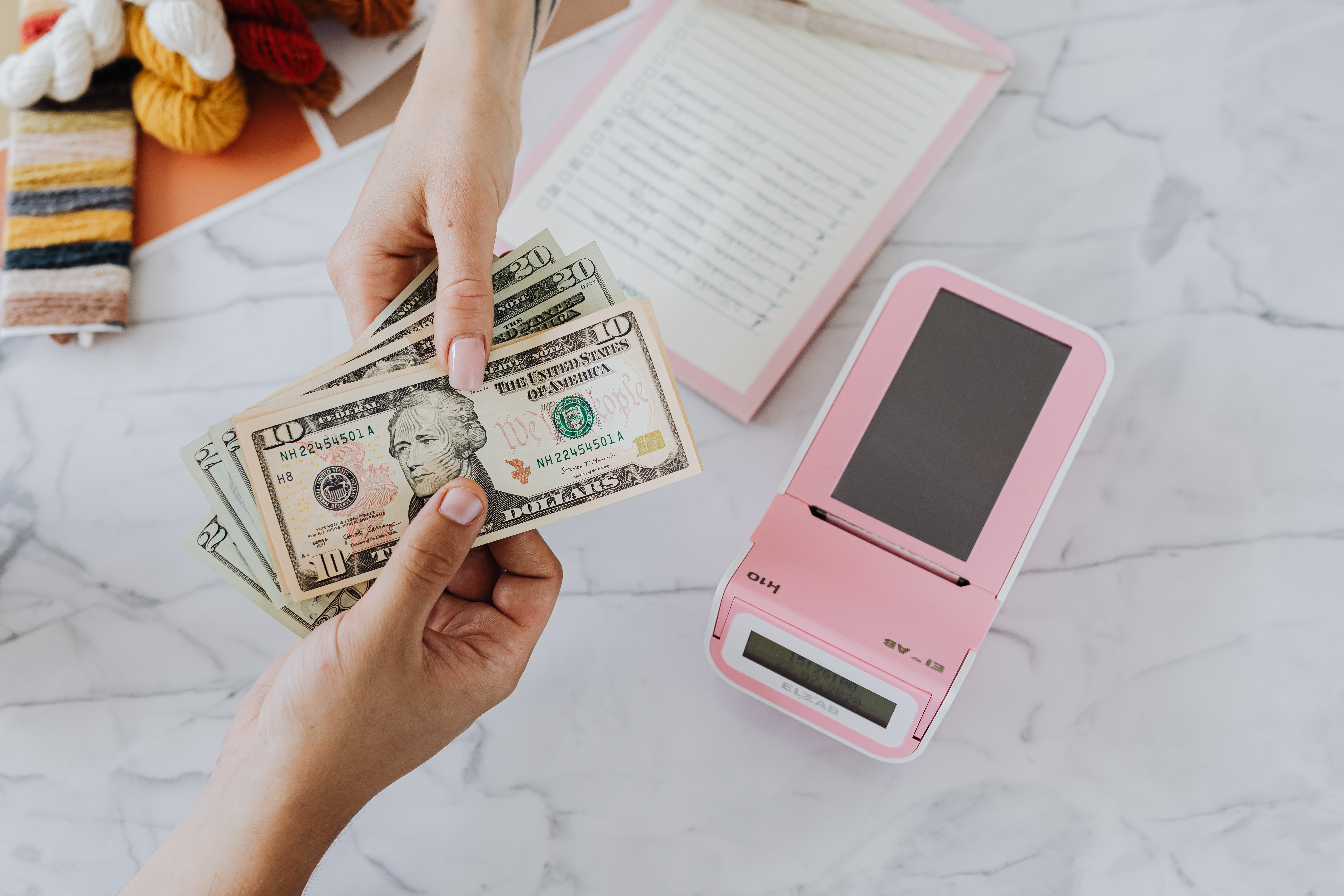
If I send $1 via Wise (formerly TransferWise), how many KRW will the recipient get — and why might it differ from the headline rate?
When sending $1 via Wise (formerly TransferWise), the recipient typically receives approximately ₩1,380–₩1,420 KRW—depending on real-time market conditions and the time of transfer. This range reflects Wise’s mid-market exchange rate, which is the fairest available rate, derived directly from global currency markets. However, the final KRW amount may differ from the “headline rate” displayed during checkout for several key reasons. First, Wise applies a small, transparent fee (often bundled into the exchange rate for micro-transfers), which slightly adjusts the effective rate. Second, intermediary banks or local Korean banking partners may impose nominal processing fees or apply minor rounding—especially noticeable at such a low transfer value. Third, exchange rates fluctuate constantly; even seconds between quote and execution can cause minor variance. For remittance businesses, this highlights why transparency—and real-time, all-inclusive pricing—is critical to customer trust. Wise’s model demonstrates how disclosing both the mid-market rate *and* the final delivered amount builds credibility. When marketing cross-border payments, emphasize not just speed or cost, but predictability: customers want to know exactly what their loved ones will receive—not just what’s advertised. That clarity converts hesitation into confidence—and drives repeat usage.How do airport currency exchange booths in Incheon Airport rate $1 to KRW versus city-center banks?
Travelers landing at Incheon International Airport often rush to currency exchange booths for quick USD-to-KRW conversion—but they may unknowingly lose up to 10–15% due to poor exchange rates and hidden fees. Airport kiosks prioritize convenience over competitiveness, offering rates typically 5–8% worse than mid-market (interbank) rates. In contrast, city-center banks in Seoul—such as Woori, Shinhan, or Hana—provide significantly better USD/KRW rates, usually within 1–3% of the mid-market rate. However, they require ID, have limited operating hours, and may impose minimum exchange amounts or processing delays. For remittance businesses, this gap represents both a challenge and an opportunity. By leveraging licensed digital platforms that partner with Korean financial institutions, customers can lock in near-mid-market rates 24/7—often beating even city banks—with instant transfers to Korean bank accounts. No airport queues, no commission surprises. Smart travelers and overseas Koreans now choose regulated remittance services offering transparent, real-time FX rates, low flat fees, and Korean Won delivered directly to local accounts—bypassing both airport markups and branch inefficiencies. It’s faster, fairer, and financially smarter. Optimize your next USD-to-KRW transfer: compare rates, check licensing (FSC-registered), and choose speed *and* savings—without sacrificing security.What is the KRW equivalent of $1.00 USD as quoted by the IMF’s official exchange rate database?
For international remittance businesses operating between the U.S. and South Korea, staying updated on official exchange rates is essential for transparency, compliance, and customer trust. The International Monetary Fund (IMF) publishes authoritative, standardized exchange rate data through its official database—widely regarded as a benchmark for financial institutions and regulators. As of the latest IMF update, the official exchange rate stands at approximately ₩1,325.00 per $1.00 USD. This figure reflects the IMF’s weighted average of market-based rates and serves as a reliable reference for cross-border payment calculations, tax reporting, and regulatory filings—especially under South Korea’s Foreign Exchange Transaction Act. While real-time commercial rates may vary slightly due to spreads and fees, using the IMF’s KRW/USD benchmark helps remittance providers explain rate fluctuations to customers and demonstrate adherence to global financial standards. It also supports accurate FX risk management and audit readiness. At [Your Remittance Business Name], we align our mid-market rates closely with authoritative sources like the IMF—ensuring fair value, minimal hidden costs, and fast, compliant transfers to Korean bank accounts. Whether sending tuition, family support, or business payments, our platform delivers clarity, speed, and confidence—powered by trusted data and local expertise.How do forward contracts or currency hedging tools affect the effective $1 → KRW value for businesses?
For businesses sending USD to South Korea, understanding how forward contracts and currency hedging tools impact the effective $1 → KRW exchange rate is essential for cost control and financial planning. Unlike spot transactions—where conversion happens immediately at prevailing market rates—forward contracts lock in a future USD/KRW rate today, shielding firms from adverse fluctuations before settlement. Hedging eliminates uncertainty: if the won strengthens unexpectedly after booking a forward, the business still receives the pre-agreed KRW amount per USD—preserving budgeted margins. Conversely, if the won weakens, the firm avoids worse rates but forgoes potential gains. This predictability supports accurate cash flow forecasting and protects against volatility-driven losses. Remittance providers offering integrated hedging solutions (e.g., 1–12-month forwards, limit orders, or NDFs) empower SMEs and corporates to optimize transfer timing without needing treasury expertise. By locking in favorable rates during KRW rallies—or hedging ahead of large payroll or supplier payments—businesses convert dollars more efficiently than relying solely on spot rates. Ultimately, forward contracts don’t guarantee the “best” $1 → KRW value—but they deliver *certainty*. For remittance clients prioritizing stability over speculation, that reliability translates directly into lower effective transfer costs and stronger financial resilience.If the USD/KRW rate is 1,325.40, how many US dollars does 1,000 KRW equal? *(Reverse calculation — tests understanding of bidirectional conversion)*
Understanding currency conversion is essential for anyone sending money internationally—especially between the U.S. and South Korea. When the USD/KRW exchange rate is quoted as 1,325.40, it means $1 buys ₩1,325.40. But what if you’re sending Korean won *to* U.S. dollars? That’s where reverse calculation matters. For example: If you have ₩1,000 and the rate is 1,325.40, divide 1,000 by 1,325.40 to get approximately $0.755. This simple yet critical reversal ensures accuracy when estimating how much your recipient will receive in USD—avoiding surprises from hidden fees or poor exchange rates. Many remittance providers advertise “zero fees” but offer uncompetitive mid-market rates, costing senders up to 5% more. At Wise or Remitly, transparent pricing and real-time mid-market rates help maximize value—so ₩1,000 truly converts closer to $0.755, not $0.71 or less. Always check whether a service displays both forward (USD→KRW) *and* reverse (KRW→USD) rates—and confirm if the quoted rate applies to your transfer size. Small differences compound quickly across frequent or larger transfers. Stay informed, compare wisely, and choose remittance partners that prioritize clarity over complexity.
About Panda Remit
Panda Remit is committed to providing global users with more convenient, safe, reliable, and affordable online cross-border remittance services。
International remittance services from more than 30 countries/regions around the world are now available: including Japan, Hong Kong, Europe, the United States, Australia, and other markets, and are recognized and trusted by millions of users around the world.
Visit Panda Remit Official Website or Download PandaRemit App, to learn more about remittance info.
Latest News