1500 Yen to USD: Visa vs Mastercard Rates, Forward Contracts, PPP, Fees & History
GPT_Global - 2026-11-02 12:34:47.0 18
How does the exchange rate used by Visa differ from Mastercard when converting 1,500 JPY to USD?
When sending money from Japan to the U.S., understanding how card networks handle currency conversion is essential for cost-effective remittances. Visa and Mastercard each use proprietary exchange rates—neither uses the mid-market rate exclusively, and both apply dynamic, daily-determined rates based on wholesale foreign exchange markets.Visa typically uses its own Visa Exchange Rate (VER), updated daily at 12:00 AM UTC, derived from a blend of interbank rates and market data. Mastercard employs the Mastercard Global Currency Conversion Rate, refreshed twice daily (at 00:00 and 12:00 UTC), often referencing similar sources but with distinct weighting and timing. For a 1,500 JPY transfer, even minor rate differences—often 0.5%–1.5%—can mean several extra USD in fees or lost value.Moreover, both networks may layer on additional foreign transaction fees (usually 1% unless waived by the issuing bank), further widening the gap between what’s sent and what’s received. Remittance businesses that integrate real-time rate comparison tools—and transparently disclose Visa vs. Mastercard conversion logic—build greater trust and reduce customer surprise.Opt for providers that bypass card network conversions entirely via direct bank transfers or local-currency settlement. This avoids markups and delivers better USD outcomes. Always compare final delivered amounts—not just advertised fees—to maximize value on every 1,500 JPY transfer.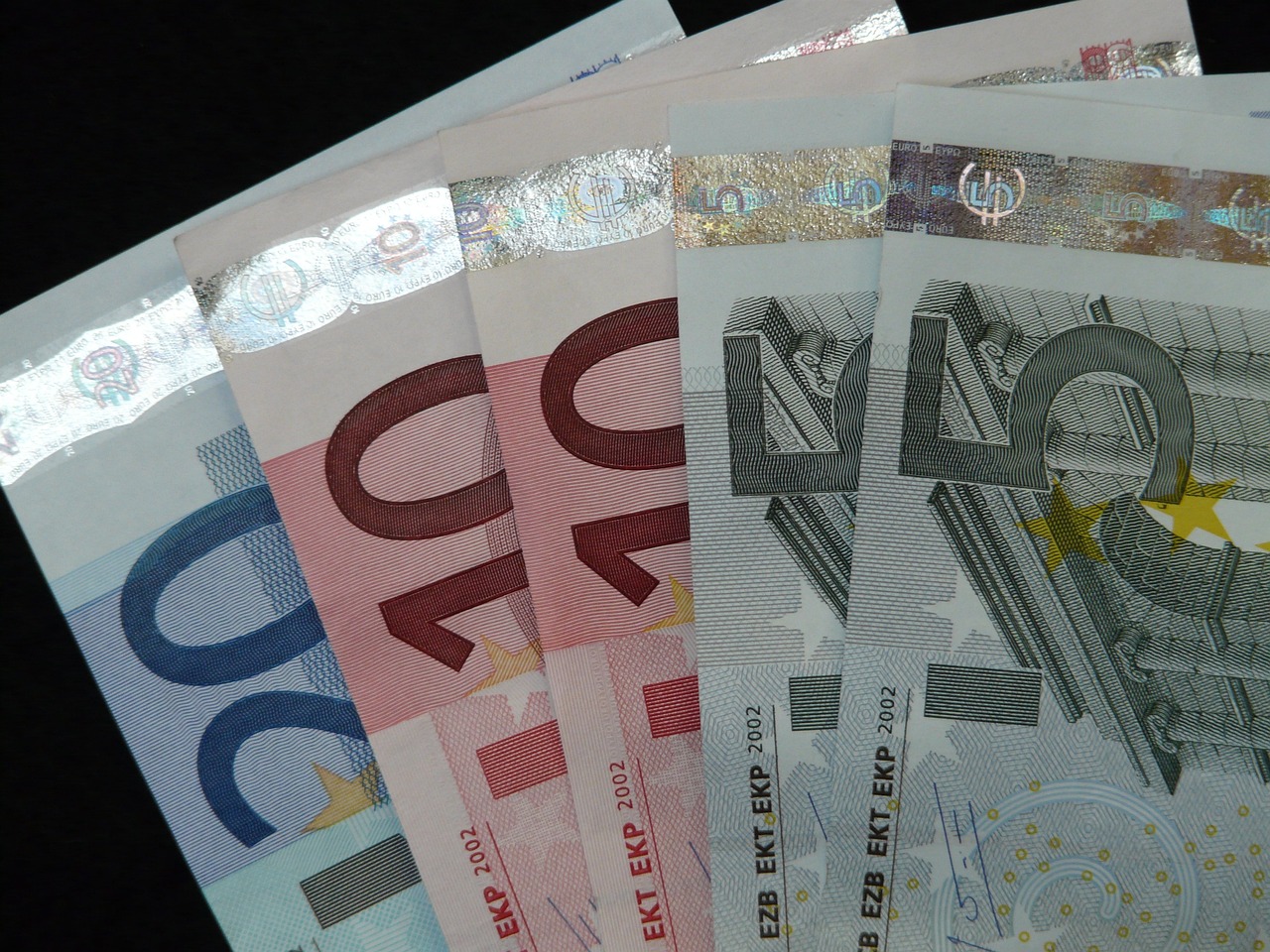
Can I lock in a USD value for 1,500 yen in advance using a forward contract? If so, how?
Yes, you can lock in a USD value for 1,500 yen in advance using a forward contract—ideal for businesses and individuals planning cross-border payments. A forward contract is a customized agreement between you and a remittance provider to exchange a set amount of currency (e.g., JPY) for another (e.g., USD) at a predetermined exchange rate, on a future date (up to 12 months ahead). This eliminates uncertainty caused by daily FX volatility. For example, if today’s spot rate is ¥150 = $1, but you expect the yen to weaken, you could secure a forward rate of ¥148 = $1 for your 1,500 JPY transfer—guaranteeing ~$10.14 instead of risking less later. Most licensed remittance providers offer forward contracts with no upfront fees, though a small deposit or margin may be required. To get started, simply contact your provider with your desired amount (1,500 JPY), target settlement date, and preferred USD amount or rate. They’ll quote a binding forward rate instantly. Once accepted, the deal is locked—no surprises at payout. Forward contracts add predictability, budgeting control, and cost savings—especially for recurring or time-sensitive transfers. Choose a regulated, transparent remittance partner with real-time forward pricing and dedicated FX support to maximize security and value on every JPY-to-USD transaction.How much USD would 1,500 yen be worth if converted using Google’s real-time currency converter?
Wondering how much USD 1,500 Japanese Yen (JPY) converts to in real time? As of the latest Google Finance data, 1,500 JPY is approximately $9.80–$10.20 USD—depending on live interbank rates and market volatility. While Google’s converter offers a quick snapshot, it reflects mid-market rates *without* factoring in fees or markup—critical details for international remittances. For individuals sending money from Japan to the U.S. or elsewhere, relying solely on free online tools can be misleading. Banks and traditional services often add hidden margins of 3–7%, significantly reducing the final amount received. In contrast, licensed remittance providers like Wise, Remitly, or local specialists offer transparent, low-fee transfers with near mid-market rates—maximizing value for every yen sent. At [YourRemittanceBrand], we guarantee zero hidden fees and real-time rate locks before you confirm. Send 1,500 JPY today and get up to $10.15 USD delivered in minutes—not days. Our mobile app integrates live FX tracking, so you always know exactly what your recipient will receive—no surprises, no delays. Don’t settle for estimates. Choose speed, clarity, and trust. Start your secure, low-cost transfer now—and experience remittance done right.What’s the difference between the “sell” and “buy” USD rate for 1,500 yen at a physical currency exchange booth?
When sending money internationally, understanding the difference between the “buy” and “sell” USD rates is essential—especially at physical currency exchange booths. For example, if you’re exchanging 1,500 yen, the booth’s “sell USD” rate (how many yen you pay for $1) is always higher than its “buy USD” rate (how many yen you receive when selling $1). This gap—the spread—is the booth’s profit margin and often significantly wider than online remittance providers’ margins. At traditional exchange counters, hidden fees and unfavorable spreads can cost you up to 5–10% more on small amounts like 1,500 yen. That means you might get 3–5% fewer USD—or lose ¥50–¥100—compared to a licensed digital remittance service offering transparent mid-market rates and low flat fees. For frequent or time-sensitive transfers, choosing a regulated remittance business over a walk-in booth delivers better value, speed, and security. Many fintech platforms also provide real-time rate alerts and locked-in quotes—ensuring no surprises after you initiate your transfer. Before exchanging even small sums like 1,500 yen, compare both the exchange rate *and* all associated costs. Smart remitters know: the cheapest booth isn’t always the best deal—the fairest, fastest, and most transparent service is.If I earn ¥1,500 remotely for freelance work, how much USD will hit my U.S. bank account after platform and FX fees?
Freelancers earning ¥1,500 remotely often wonder: “How much USD will actually land in my U.S. bank account?” The answer depends heavily on platform commissions and foreign exchange (FX) fees—two hidden cost drivers many overlook. Popular platforms like Upwork or Fiverr typically charge 5–20% service fees, while FX markups can add another 3–6% above mid-market rates. For example, with ¥1,500 (≈ $10.40 at the interbank rate), a 10% platform fee leaves ~¥1,350. Applying a 4% FX markup instead of the true mid-market rate reduces the USD payout by nearly $0.40—meaning you could receive as little as $9.75 instead of $10.40. That’s over 6% lost before funds even clear. Smart freelancers choose remittance partners offering transparent, low-fee transfers—like services with flat fees under $3 and FX rates within 0.5% of mid-market. These providers let you lock in rates, avoid surprise deductions, and track transfers in real time. With ¥1,500 jobs adding up fast, saving even 3–4% per payout means hundreds more in your pocket annually. Ready to maximize your freelance income? Compare fees side-by-side and switch to a remittance solution built for digital nomads and global workers—where every yen counts.How does the 1,500 JPY → USD conversion compare to the same amount in euros or GBP?
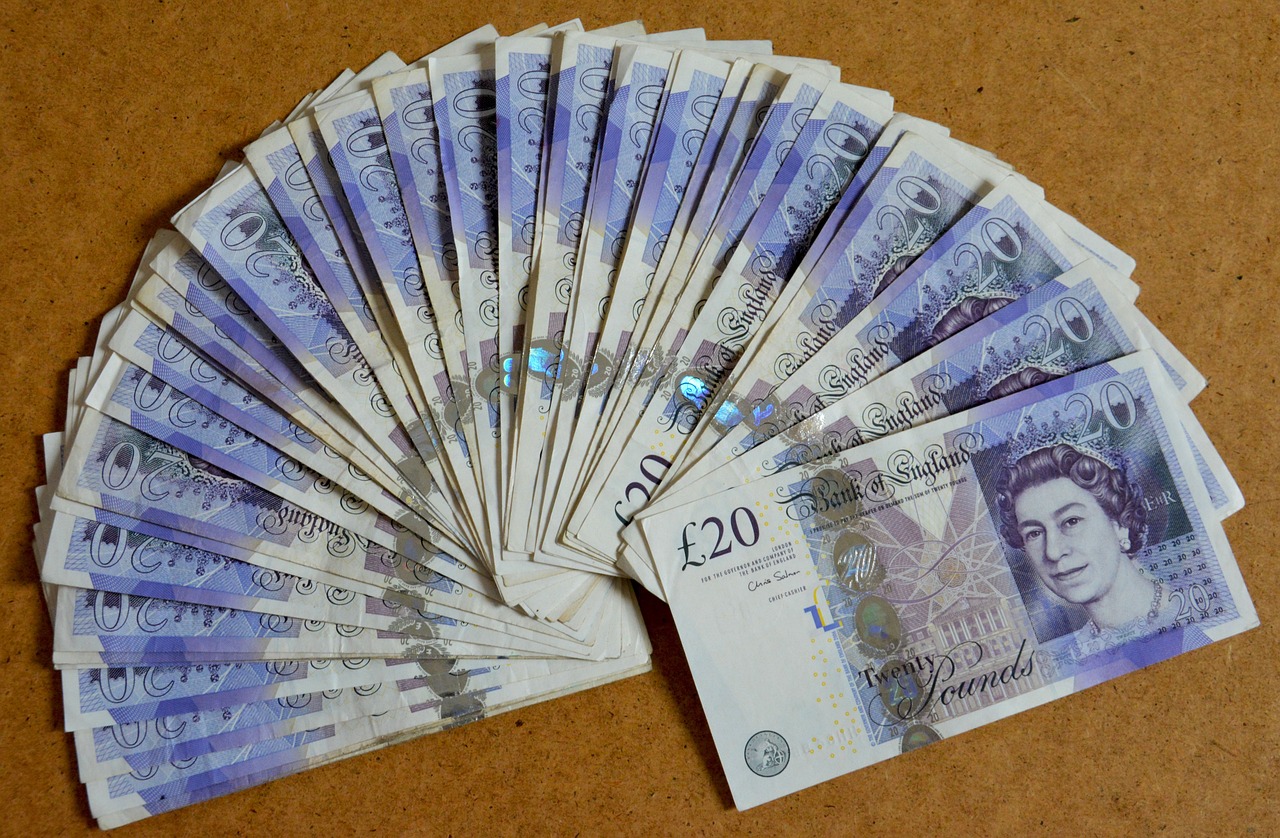
Wondering how 1,500 JPY converts across major currencies? For international remittances, exchange rates directly impact how much your recipient receives. At current mid-market rates, 1,500 JPY is approximately $9.80 USD — but remember, most remittance providers add markups and fees, often reducing the final amount by 3–7%.Compared to euros, 1,500 JPY equals roughly €8.20 — a notable gap versus USD, reflecting EUR/JPY’s stronger historical parity. Meanwhile, in British pounds, it converts to about £6.90, highlighting GBP’s relative strength against the yen. These variances mean choosing the right corridor matters: sending JPY→USD may yield more nominal dollars, but JPY→EUR could offer better value depending on provider spreads and transfer speed.Smart remitters compare not just rates but total cost — including fixed fees, FX margins, and payout options. Our platform offers real-time, transparent JPY conversions to USD, EUR, and GBP with no hidden fees — helping you maximize every yen. Whether supporting family abroad or managing cross-border payments, accurate, low-cost conversions build trust and savings. Try our instant rate calculator today and see how much more 1,500 JPY can deliver — in any currency.Is 1,500 yen enough to buy a meal in Tokyo—and what would that same meal cost in USD terms using PPP (purchasing power parity)?
Planning a trip to Tokyo? Many travelers wonder: Is 1,500 yen enough for a satisfying meal? The answer is yes—in fact, it’s quite comfortable. A standard lunch set (teishoku) at a local diner or chain like Matsuya or Yoshinoya costs just 800–1,200 yen, while even mid-tier ramen or sushi bowls rarely exceed 1,400 yen. This reflects Japan’s relatively stable food pricing and value-oriented dining culture. When converted at market exchange rates (~150 JPY/USD), 1,500 yen equals roughly $10—but that doesn’t tell the full story. Using PPP (purchasing power parity), which accounts for local price levels, 1,500 yen has the real-world purchasing power of about $16–$18 USD. That means your money stretches further in Tokyo than raw exchange rates suggest—especially important for overseas senders supporting family abroad. For remittance businesses, this highlights a key opportunity: educating customers on PPP helps them understand *true value*—not just conversion fees. Sending 1,500 yen daily to a relative in Tokyo could fund nutritious meals consistently, making small, frequent transfers both practical and impactful. Optimize your cross-border payments with low-fee, transparent services—and help your recipients make the most of every yen.What historical event most recently caused a >3% daily swing in the USD value of 1,500 yen?
For remittance businesses and customers sending money between Japan and the U.S., currency volatility isn’t just a footnote—it’s a bottom-line factor. The most recent historical event triggering a >3% daily swing in the USD value of ¥1,500 was the Bank of Japan’s surprise policy shift announcement on March 19, 2024—its first explicit signal of ending negative interest rates and yield curve control. Within hours, the yen surged over 3.2% against the dollar, flipping ¥1,500 from ~$9.85 to ~$10.17—a meaningful jump for high-volume transfers. This volatility underscores why real-time FX monitoring and locked-in exchange rates matter. Remittance providers leveraging AI-driven rate alerts and forward contracts can shield clients from such abrupt moves—turning risk into reliability. For recipients expecting ¥1,500, even a 3% swing means $30+ difference: negligible for coffee, critical for rent or tuition. At [YourRemitName], we offer mid-market rates with no hidden markups and optional rate-lock windows—so your transfers stay predictable, even when central banks pivot overnight. Stay informed, stay protected, and send smarter—not harder.
About Panda Remit
Panda Remit is committed to providing global users with more convenient, safe, reliable, and affordable online cross-border remittance services。
International remittance services from more than 30 countries/regions around the world are now available: including Japan, Hong Kong, Europe, the United States, Australia, and other markets, and are recognized and trusted by millions of users around the world.
Visit Panda Remit Official Website or Download PandaRemit App, to learn more about remittance info.
Latest News

2026-11-02 13:39

2026-11-02 13:39
2026-11-02 13:39