What 1 Billion Yen Can Buy in Japan: Growth, Weight, Coins, Infrastructure & City Budgets
GPT_Global - 2026-11-03 16:06:34.0 11
How much would 1 billion yen grow to in 10 years with a conservative 1.5% annual compound interest in a Japanese yen-denominated savings account?
Planning a large-scale remittance to Japan? Understanding yen-based savings growth is essential for maximizing your funds. With 1 billion yen deposited in a Japanese yen-denominated savings account earning a conservative 1.5% annual compound interest, your money grows steadily—reaching approximately ¥1.1605 billion after 10 years. This calculation (using A = P(1 + r)ᵗ) reflects the power of compounding, even at low rates common in Japan’s current financial environment. For international senders—especially businesses, expatriates, or families transferring substantial sums—this highlights why timing and currency choice matter. Sending yen directly (rather than converting later at volatile FX rates) locks in value and enables immediate placement into interest-bearing accounts. Many global remittance services lack seamless JPY-denominated transfers or charge hidden fees that erode potential gains. Our remittance platform offers competitive, transparent JPY transfers with same-day crediting to Japanese bank accounts—ensuring your 1 billion yen starts earning from day one. No markup on exchange rates, no intermediary bank deductions, and full compliance with Japanese financial regulations. Secure, fast, and optimized for long-term wealth preservation. Start your high-value JPY transfer today—and let compound interest work for you, not against you.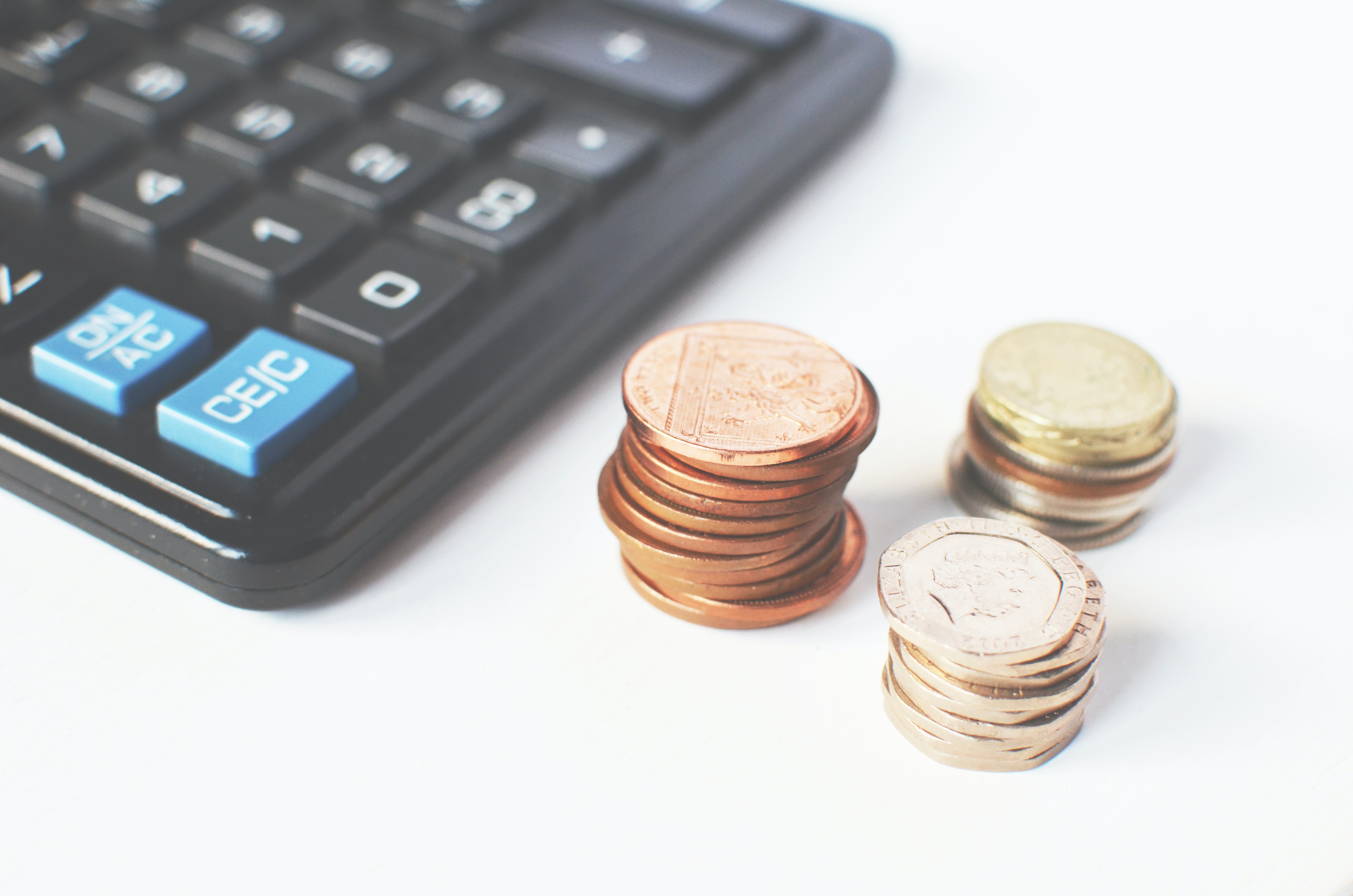
What is the approximate weight (in kilograms) if 1 billion yen were held entirely in ¥10,000 banknotes?
Ever wondered how heavy a billion yen actually is? If held entirely in ¥10,000 banknotes—the highest denomination in Japan—1 billion yen equals 100,000 notes. Each Japanese banknote weighs approximately 1 gram, so the total weight comes to roughly **100 kilograms** (about 220 pounds)—equivalent to an adult’s body weight! This surprising fact highlights why physical cash transport is impractical, insecure, and inefficient for large-value transfers. For businesses and individuals sending money internationally—especially between Japan and global partners—relying on cash is simply not viable. Remittance services offer instant, traceable, and compliant digital transfers, eliminating the risks of theft, loss, or logistical delays tied to bulky physical currency. Whether you’re paying suppliers, supporting family abroad, or settling cross-border invoices, modern remittance platforms provide better exchange rates, lower fees, and real-time tracking than traditional banking or cash couriers. Plus, they adhere strictly to AML/KYC regulations—ensuring your transfers are both fast and fully compliant. So next time you consider moving significant funds across borders, remember: 100 kg of ¥10,000 notes isn’t just heavy—it’s outdated. Choose smart, secure, and scalable remittance solutions instead.How many ¥100 coins would equal 1 billion yen—and what would their total mass be?
Ever wondered how tangible a billion yen really is? To visualize this massive sum: 1 billion yen equals 10 million ¥100 coins—since 1,000,000,000 ÷ 100 = 10,000,000. Each ¥100 coin weighs approximately 4.8 grams, so the total mass would be 48,000 kilograms—or 48 metric tons—enough to fill over three standard shipping containers! This staggering physical weight highlights why digital remittance solutions are indispensable for businesses and individuals sending large yen amounts abroad. Carrying or shipping actual coins is not only impractical but also insecure and cost-prohibitive. Modern remittance platforms offer instant, low-fee transfers directly into Japanese bank accounts—bypassing cash handling entirely. For SMEs, freelancers, or overseas investors dealing with JPY payments, speed and reliability matter more than ever. With real-time exchange rates, transparent fees, and compliance-ready reporting, digital remittance services turn what would be a logistical nightmare—like moving 48 tons of coins—into a one-click transaction. Whether you're paying suppliers in Tokyo or receiving client funds from Osaka, choosing a trusted, Japan-focused remittance partner ensures accuracy, regulatory adherence, and peace of mind—no vaults, no trucks, just seamless value transfer.What major Japanese infrastructure project (e.g., bridge, station renovation) has had a budget close to 1 billion yen?
Japan’s infrastructure investments often reflect its commitment to efficiency and connectivity—values that resonate deeply with global remittance users seeking fast, reliable money transfers. For instance, the recent renovation of Tokyo Station’s Marunouchi North Exit involved a budget nearing 1 billion yen, enhancing accessibility, digital signage, and multilingual support for international travelers and overseas workers alike. This scale of investment mirrors the growing demand for seamless cross-border financial services. Just as Japan upgrades transport hubs to serve millions annually—including over 1.5 million foreign residents who send remittances home—the remittance industry must match that precision and trustworthiness. Projects like Tokyo Station’s upgrade underscore Japan’s emphasis on user-centric design—a principle we embed in every low-fee, real-time transfer we process. Whether you’re sending funds from Osaka to Manila or Nagoya to Jakarta, our service leverages Japan’s advanced fintech ecosystem to ensure secure, transparent, and competitively priced transactions. With no hidden charges and same-day payouts in key corridors, we help overseas workers support families with the same reliability Japan builds into its billion-yen infrastructure milestones. Join thousands of satisfied users who choose speed, clarity, and local expertise—because when it comes to your hard-earned money, world-class infrastructure standards should extend beyond bridges and stations straight to your remittance experience.How does 1 billion yen compare to the annual operating budget of a mid-sized Japanese city (e.g., Matsuyama or Kumamoto)?
Wondering how large 1 billion yen really is? For context, it roughly equals the *entire annual operating budget* of a mid-sized Japanese city like Matsuyama or Kumamoto—both of which operate on budgets ranging from ¥90 billion to ¥110 billion yearly. That means 1 billion yen represents about 1% of their total annual spending—enough to fund public libraries for a year, maintain dozens of municipal parks, or cover emergency services for several months. This scale highlights why precise, low-cost international transfers matter—especially for Japanese businesses, overseas families, and diaspora sending funds home. Even small remittance fees add up when moving sums approaching ¥100 million or more. Traditional banks often charge ¥2,000–¥5,000 per transfer plus unfavorable exchange rates, eroding value quickly. At [Your Remittance Brand], we offer transparent, real-time FX rates and flat-fee transfers starting at just ¥390—saving clients thousands annually on recurring or high-value payments. Our Japan-licensed platform ensures full regulatory compliance and same-day settlement for most corridors. Whether you're supporting relatives, paying suppliers, or managing cross-border investments, moving money smarter means preserving more of what matters. Discover how fast, secure, and affordable 1 billion yen—or even ¥100,000—can be sent to Japan today.
About Panda Remit
Panda Remit is committed to providing global users with more convenient, safe, reliable, and affordable online cross-border remittance services。
International remittance services from more than 30 countries/regions around the world are now available: including Japan, Hong Kong, Europe, the United States, Australia, and other markets, and are recognized and trusted by millions of users around the world.
Visit Panda Remit Official Website or Download PandaRemit App, to learn more about remittance info.
Latest News

2026-11-05 11:34
2026-11-05 11:34