USD to BRL Exchange Rate: Dollar’s All-Time Low, Inflation, Central Bank Intervention, Oil Impact & 6-Month Risk
GPT_Global - 2026-11-05 20:36:23.0 22
What was the weakest the US dollar has ever been against the Brazilian real (i.e., lowest BRL per USD)?
Understanding currency extremes is vital for anyone sending money from the U.S. to Brazil. The weakest the US dollar has ever been against the Brazilian real occurred in early 2024—reaching an all-time low of approximately **R$5.93 per USD** (as reported by the Central Bank of Brazil and Bloomberg, March 2024). This historic low reflects heightened inflation concerns in Brazil, monetary policy divergence, and global risk sentiment impacting emerging market currencies. For remittance customers, this means significantly more reais for every dollar sent—translating into stronger purchasing power for families receiving funds. A $1,000 transfer would yield over R$5,900 at that rate, versus just ~R$4,800 during stronger USD periods. Timing transfers around favorable exchange rates can make a meaningful difference in financial support. At [Your Remittance Business], we offer transparent, mid-market exchange rates with no hidden fees—helping you maximize value without waiting for volatility. Our real-time rate alerts and scheduled transfers empower you to act when the USD/BRL ratio works in your favor. Unlike banks or legacy services, we pass on savings directly to you. Stay informed, send smarter, and support loved ones more effectively. Check our live USD/BRL rate tracker today—and discover how even small rate improvements add up to real impact in Brazil.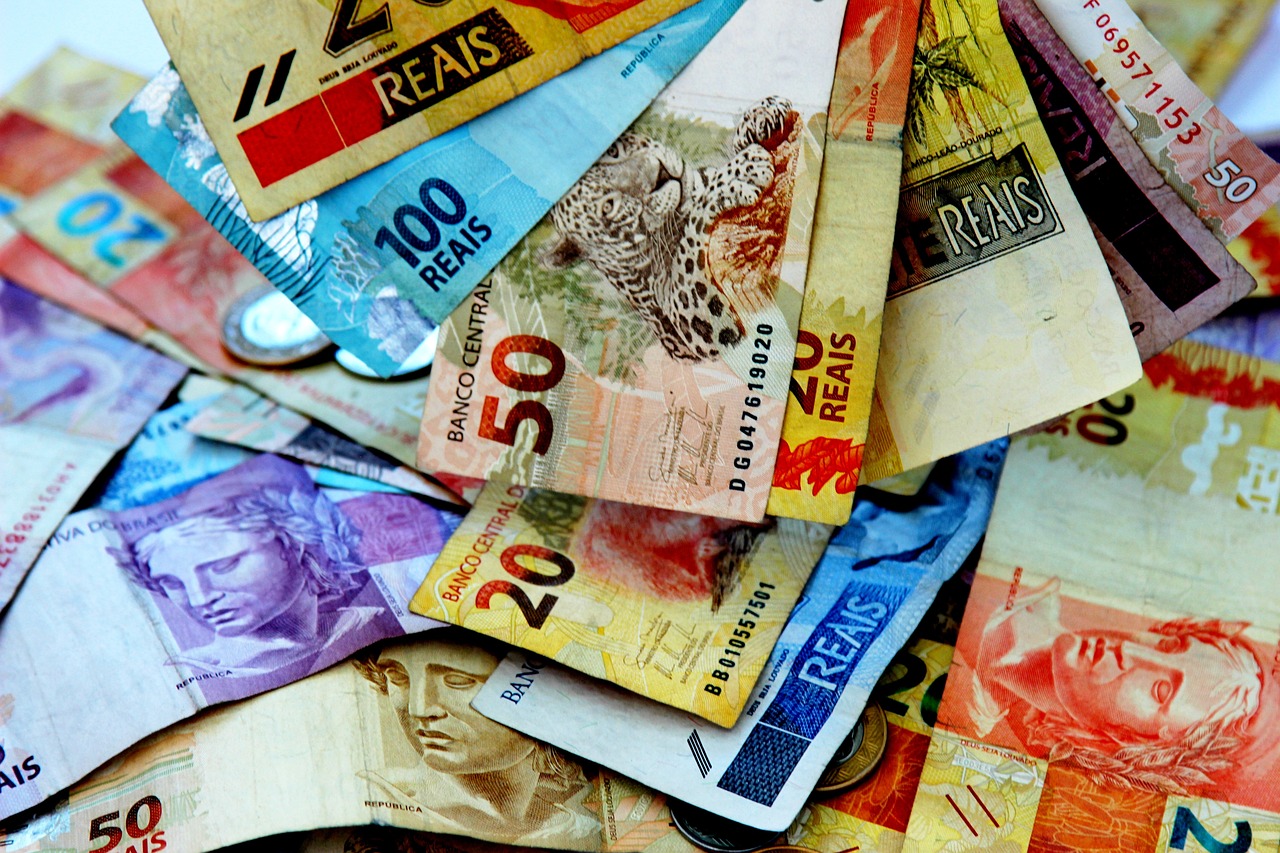
How does inflation in Brazil affect the value of 1 USD in BRL over time?
Understanding how inflation in Brazil impacts the USD/BRL exchange rate is crucial for anyone sending money across borders. When Brazil experiences high inflation, the purchasing power of the Brazilian Real (BRL) declines relative to stable currencies like the US Dollar (USD). As a result, more BRL is needed to buy 1 USD—causing the exchange rate to rise (e.g., from 5.00 to 5.50 BRL/USD). This volatility directly affects remittance customers: higher inflation often triggers central bank responses—like raising interest rates—which can temporarily strengthen the BRL, but sustained inflation typically leads to long-term depreciation. For senders, that means less BRL received by beneficiaries for the same USD amount unless fees and rates are optimized. At [Your Remittance Business], we monitor Brazil’s IPCA inflation index and Central Bank policy in real time. Our transparent, mid-market exchange rates and low fixed fees help protect your transfers from unexpected BRL erosion—so families receive more, reliably. Whether you’re supporting loved ones in São Paulo or paying tuition in Salvador, smart timing and the right provider make all the difference. Sign up today for rate alerts and locked-in exchanges—because every real counts when inflation is rising.Does the Central Bank of Brazil intervene to influence how many reais 1 US dollar is worth?
Yes, the Central Bank of Brazil (Banco Central do Brasil) actively intervenes in the foreign exchange market to influence the BRL/USD exchange rate. While Brazil maintains a floating exchange rate regime, the Central Bank conducts occasional interventions—buying or selling U.S. dollars—to curb excessive volatility and prevent disorderly market conditions. These operations help stabilize the real (BRL), protecting both domestic inflation and the purchasing power of remittance recipients. For remittance businesses and senders, understanding this intervention is critical. Sudden currency swings can erode transfer value—especially for families relying on USD-based inflows. When the Central Bank sells dollars to strengthen the real, the BRL appreciates, meaning recipients get fewer reais per dollar sent. Conversely, during periods of real depreciation, beneficiaries receive more reais—but volatility increases risk. Leading remittance providers monitor Central Bank announcements, auction schedules, and FX reserves data to time transfers strategically. Transparent, low-fee services with real-time mid-market rates help mitigate intervention-related uncertainty. By staying informed—and partnering with regulated, adaptive remittance platforms—senders ensure their hard-earned money delivers maximum impact in Brazil.How does the price of oil impact the exchange rate between 1 USD and BRL?
Oil prices significantly influence the USD/BRL exchange rate—a key factor for remittance businesses sending money to Brazil. As a major oil exporter, Brazil’s economy and currency are highly sensitive to global crude oil prices. When oil prices rise, Brazil’s export revenues increase, strengthening the BRL against the USD; conversely, falling oil prices often weaken the BRL due to reduced trade surplus and investor sentiment. This volatility directly impacts remittance costs and recipient value. For example, a stronger BRL means Brazilian families receive more reais per USD sent—boosting purchasing power. Remittance providers monitoring oil trends can advise clients on optimal send times, enhancing trust and conversion rates. Additionally, oil-driven shifts in Brazil’s central bank policy—such as interest rate adjustments to counter inflation or capital outflows—further affect BRL stability. Integrating real-time commodity data into risk management tools helps remittance firms hedge FX exposure and offer competitive, transparent rates. For businesses targeting the Brazilian market, understanding the oil–BRL nexus isn’t optional—it’s strategic. Staying informed empowers smarter pricing, better customer guidance, and resilient operations amid commodity-driven fluctuations. Partner with platforms that factor macro drivers like oil into their FX analytics for a measurable edge in the $20B+ Brazil remittance corridor.If I convert 1 USD to BRL now and hold it for 6 months, what’s the typical annualized loss/gain due to currency depreciation?
Wondering whether holding Brazilian Reais (BRL) after converting USD could cost you money? Currency depreciation is a real risk—especially over 6-month horizons. Historically, the USD/BRL exchange rate has shown volatility, with the BRL averaging 3–5% annual depreciation against the USD over the past decade due to inflation differentials, interest rate adjustments, and macroeconomic uncertainty in Brazil. For example, if you convert $1,000 USD to ~R$5,400 today (at ~R$5.40/USD), and the BRL depreciates 4% annually, you’d face roughly a 2% loss over six months—meaning your R$5,400 could be worth only ~$980 USD when converted back. That’s an effective annualized loss of ~4%, eroding remittance value before it even reaches your family. Smart remitters avoid this by using forward contracts or low-fee, fast-transfer services that lock in favorable rates—or by sending funds closer to the recipient’s need date. Delaying conversion exposes you to unnecessary FX risk, especially in high-inflation economies like Brazil. At [Your Remittance Brand], we offer real-time mid-market rates, transparent fees, and same-day transfers—minimizing exposure to BRL depreciation. Protect your hard-earned money: send smarter, not later. Learn more about our Brazil-focused solutions today.
About Panda Remit
Panda Remit is committed to providing global users with more convenient, safe, reliable, and affordable online cross-border remittance services。
International remittance services from more than 30 countries/regions around the world are now available: including Japan, Hong Kong, Europe, the United States, Australia, and other markets, and are recognized and trusted by millions of users around the world.
Visit Panda Remit Official Website or Download PandaRemit App, to learn more about remittance info.
Latest News