USD to ETB Exchange Rate: Ethiopia’s Non-Convertible Birr Explained
GPT_Global - 2026-11-06 12:04:23.0 23
How do currency exchange kiosks at Bole Airport display the rate for 1 USD → ETB?
Travelers and diaspora Ethiopians sending money home often pass through Addis Ababa’s Bole International Airport—making currency exchange kiosks a critical first touchpoint. These kiosks prominently display the USD-to-ETB exchange rate on digital LED screens, typically showing both the “buy” (ETB per USD) and “sell” (USD per ETB) rates. However, the posted rate is usually the *mid-market rate minus a visible markup*, often 3–7%, with no hidden fees disclosed upfront. For remittance businesses, this presents both a challenge and opportunity. While airport kiosks offer convenience, their less competitive rates and limited transparency erode trust—especially among cost-conscious senders. In contrast, licensed digital remittance platforms provide real-time, regulated USD/ETB rates with full fee breakdowns, often delivering up to 10% more ETB to beneficiaries than airport exchanges. Smart senders now bypass airport kiosks entirely: using apps to lock in favorable rates before travel, scheduling transfers for optimal timing, and choosing direct bank or mobile wallet payouts in Ethiopia. Regulated remittance providers also comply with NBE guidelines, ensuring traceability and consumer protection—unlike informal or unlicensed kiosk operators. Whether you're en route to Ethiopia or supporting family from abroad, compare rates beyond the airport screen. Choose transparency, speed, and value—because every birr counts.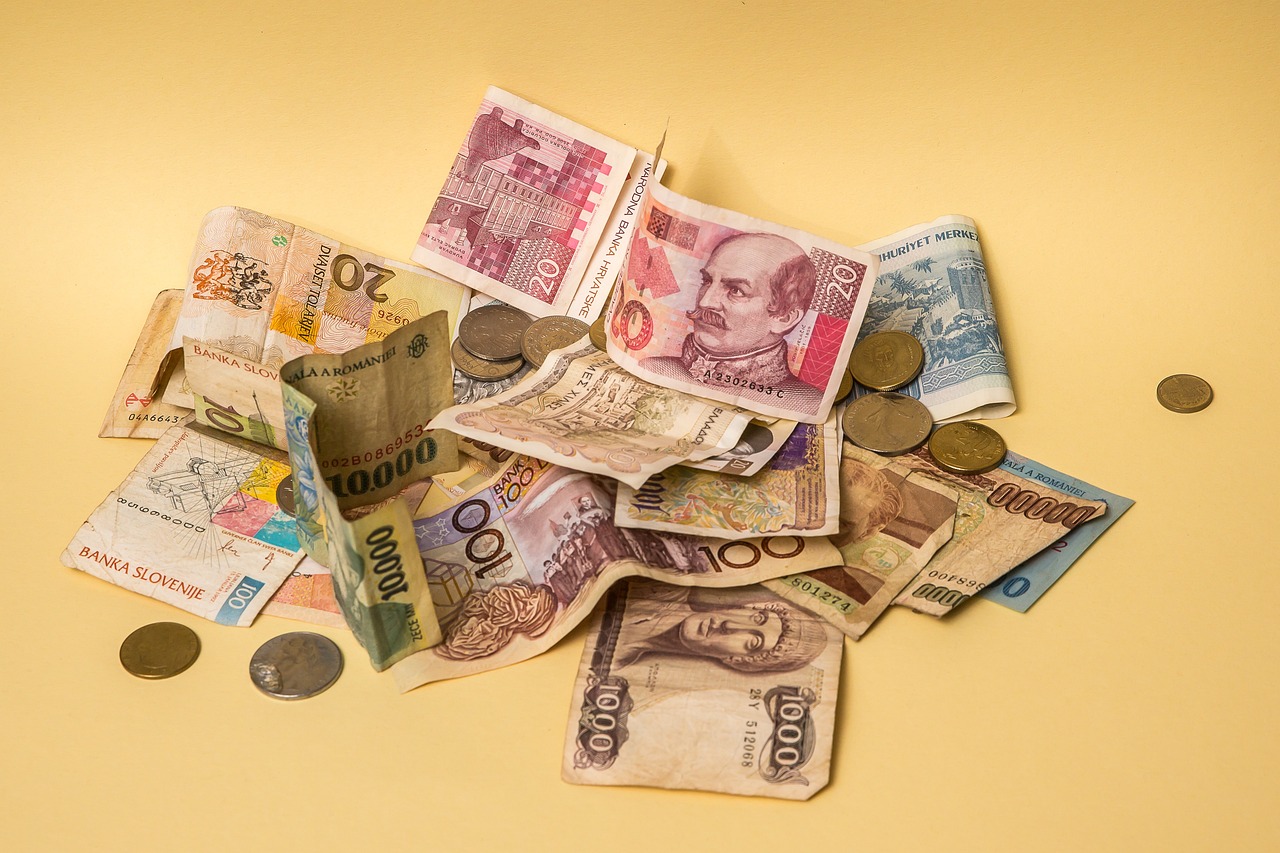
What role does coffee export revenue play in determining how many birr 1 USD is worth?
For Ethiopian remittance senders and receivers, understanding the birr-to-dollar exchange rate is crucial—especially since coffee exports heavily influence Ethiopia’s foreign currency reserves. As the country’s largest export earner (accounting for over 25% of total export revenue), coffee sales bring in vital USD inflows that strengthen the national forex pool. When global coffee prices rise or export volumes increase, the National Bank of Ethiopia gains more USD to stabilize and support the birr. This often leads to a stronger birr—meaning remittance recipients get more birr per dollar sent. Conversely, poor harvests or falling commodity prices can pressure the birr, reducing remittance value. Remittance businesses operating in Ethiopia must monitor coffee export trends alongside central bank policies. Real-time exchange rate tools, transparent fee structures, and timely market updates help customers maximize their transfers amid forex volatility tied to agricultural cycles. By linking remittance decisions to macroeconomic drivers like coffee exports, users gain smarter, more predictable outcomes. That’s why leading remittance platforms integrate economic insights—not just rates—into their service experience. Stay informed, send confidently, and ensure every dollar delivers its full potential in birr.If 1 USD = 57.5 ETB today, what would 1 ETB be worth in USD?
Understanding currency conversion is essential for anyone sending money to Ethiopia. If today’s exchange rate is 1 USD = 57.5 ETB, then 1 ETB equals approximately $0.0174 (calculated as 1 ÷ 57.5). This inverse rate helps senders gauge exactly how much value each Ethiopian Birr holds in U.S. dollars—crucial when comparing remittance fees and rates across providers. Many remittance services advertise “competitive” ETB rates but hide costs in wide spreads or service fees. By knowing the true USD-equivalent of 1 ETB, customers can spot misleading promotions and choose transparent, low-cost channels. For example, a provider offering only 56 ETB per USD effectively devalues your money by nearly 2.6% compared to the mid-market rate. At [Your Remittance Business], we use real-time, mid-market rates—like the current 1 ETB = $0.0174—with no hidden markups. Our flat, upfront fees mean more hard-earned dollars reach loved ones in Addis Ababa, Dire Dawa, or rural communities. Fast, secure, and compliant with NBE regulations, we empower diaspora Ethiopians to send smarter. Stay informed, compare wisely, and always ask: “What’s 1 ETB worth *in my currency*?” That simple calculation could save you hundreds annually. Start your next transfer with confidence—and clarity—today.How accurate are Google’s or XE.com’s “1 USD to ETB” conversion tools for real-time transfers?
When sending money from the U.S. to Ethiopia, many users rely on Google or XE.com for quick USD-to-ETB exchange rate checks. While convenient, these tools display mid-market rates—idealized benchmarks that ignore real-world fees and regulatory constraints. Google and XE do not reflect Ethiopia’s tightly controlled foreign exchange regime. The National Bank of Ethiopia (NBE) sets official rates for licensed banks and bureaus, often significantly below interbank or black-market levels. Real-time remittance services must comply with NBE rules, meaning actual payout rates may differ by 10–25% from what Google or XE shows. Moreover, these platforms update infrequently and lack transparency on hidden margins, transfer fees, or local agent markups—critical factors affecting final ETB received. A reputable remittance provider discloses its full rate *and* fee structure upfront, ensuring predictability and fairness. For families depending on every birr, accuracy matters more than speed. Choose a licensed, Ethiopia-focused remittance service offering live, NBE-compliant rates—and always compare the final ETB amount before sending. Don’t trust the headline rate alone; verify what lands in the recipient’s account.Why is the ETB considered a non-convertible currency—and how does that affect USD conversion?
The Ethiopian Birr (ETB) is classified as a non-convertible currency by the National Bank of Ethiopia (NBE). This means it cannot be freely exchanged for foreign currencies like the USD on international markets. Strict capital controls restrict both residents and non-residents from buying or selling ETB abroad—only authorized banks and bureaus can facilitate limited, NBE-approved conversions. For remittance businesses operating in Ethiopia, this status creates critical operational implications. Senders abroad cannot directly convert funds into ETB; instead, remittances must flow through licensed channels approved by the NBE. Funds are typically disbursed in ETB at official (often subsidized) exchange rates—not market rates—leading to potential discrepancies and reduced recipient value. Moreover, liquidity constraints and periodic regulatory updates may delay settlements or impose caps on transaction volumes. Remittance providers must maintain strong compliance frameworks, real-time NBE coordination, and transparent rate disclosures to manage client expectations and avoid penalties. Understanding ETB’s non-convertibility is essential for optimizing cost, speed, and trust in cross-border transfers. Partnering with NBE-authorized agents and leveraging digital platforms that integrate official rate feeds ensures regulatory adherence while enhancing customer satisfaction. Stay informed—Ethiopia’s forex policies evolve rapidly, and proactive adaptation is key to sustainable remittance growth.
About Panda Remit
Panda Remit is committed to providing global users with more convenient, safe, reliable, and affordable online cross-border remittance services。
International remittance services from more than 30 countries/regions around the world are now available: including Japan, Hong Kong, Europe, the United States, Australia, and other markets, and are recognized and trusted by millions of users around the world.
Visit Panda Remit Official Website or Download PandaRemit App, to learn more about remittance info.
Latest News



2026-11-06 12:34