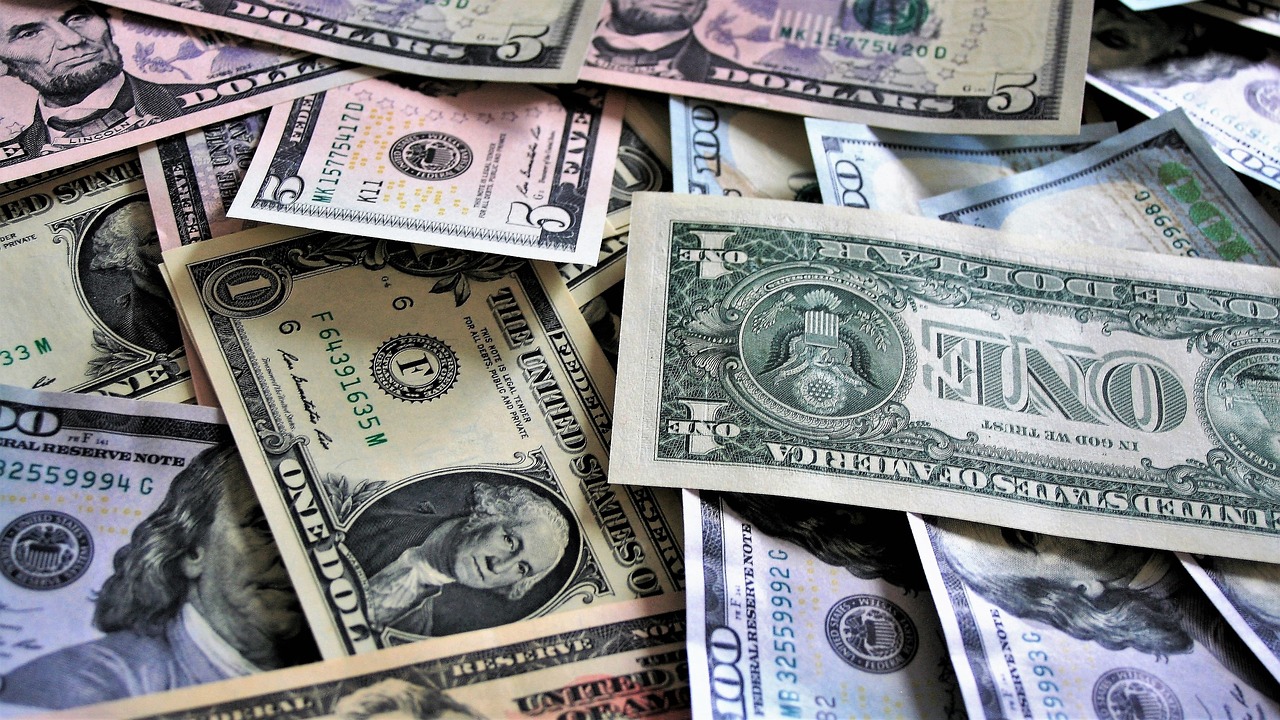
Dollar to Euro Exchange Rate: ECB Impact, History & Best Conversion Tips
GPT_Global - 2026-10-29 15:03:36.0 0
What role does the European Central Bank play in determining how much $1 is worth in EUR?
When sending money internationally, understanding currency valuation is crucial—especially for remittance businesses and their customers. The European Central Bank (ECB) does not directly set the EUR/USD exchange rate, but it profoundly influences it through monetary policy decisions. The ECB’s primary mandate is price stability in the Eurozone. By adjusting key interest rates—like the main refinancing rate—and implementing quantitative easing or tightening measures, the ECB affects euro liquidity and investor sentiment. Higher interest rates typically attract foreign capital, increasing demand for euros and strengthening EUR against the USD. While the EUR/USD rate is determined by global forex markets (driven by supply, demand, speculation, and macroeconomic data), ECB announcements—such as policy meetings, inflation reports, or forward guidance—trigger immediate market reactions. Even subtle shifts in ECB tone can cause volatility that impacts remittance margins and customer costs. For remittance providers, monitoring ECB policy trends helps anticipate FX fluctuations, optimize hedging strategies, and offer competitive, transparent rates. Real-time rate alerts and educational content on ECB influence empower customers to time transfers wisely—reducing fees and maximizing value. Staying informed about the ECB isn’t just for economists—it’s a practical necessity for any remittance business aiming for reliability, compliance, and customer trust in cross-border payments.
Is $1 always worth less than €1? If not, when was it worth more?
Is $1 always worth less than €1? Not necessarily. While the euro often trades above the US dollar, historical exchange rates show the dollar has periodically been stronger—most notably in 2000–2002, when €1 dipped below $0.85, meaning $1 was worth more than €1. This reversal occurred amid eurozone economic uncertainty and strong US growth following the dot-com boom. For remittance businesses and customers sending money across the Atlantic, these fluctuations matter deeply. A stronger dollar means better value for USD-based senders converting to euros—and vice versa. Timing transfers during favorable exchange rate windows can save recipients up to 5% or more on large sums, especially when fees and hidden margins are factored in. That’s why leading remittance providers now offer rate alerts, forward contracts, and mid-market rate guarantees. These tools empower users to act strategically—not just reactively—when currency dynamics shift. Understanding that $1 isn’t perpetually weaker than €1 helps customers make informed, cost-effective decisions. At [Your Remittance Brand], we prioritize transparency and real-time FX insights—so you never overpay due to outdated assumptions. Whether sending from New York to Berlin or Paris to Miami, our platform delivers competitive, fair-value transfers backed by expert support and no surprise fees.How do interest rate decisions by the Fed and ECB impact the $1 → EUR conversion?
Understanding how central bank interest rate decisions affect currency exchange is crucial for anyone sending money across the Atlantic. When the U.S. Federal Reserve raises rates, the dollar typically strengthens as higher yields attract foreign capital—making each USD buy more euros. Conversely, if the European Central Bank (ECB) hikes rates while the Fed holds steady, the euro gains ground, improving EUR conversion rates for U.S. senders. For remittance customers, even small shifts in the USD/EUR exchange rate can significantly impact how much cash recipients receive in Europe. A 2% move in the exchange rate could mean €20–€30 more—or less—for a $1,000 transfer. That’s why timing matters: monitoring Fed and ECB policy statements, meeting calendars, and inflation data helps savvy users lock in favorable rates. At [Your Remittance Business], we offer real-time mid-market rate tracking, rate alerts, and fee-free forward contracts—so you’re never caught off guard by monetary policy shifts. Unlike traditional banks, we pass on tighter spreads and transparent pricing, ensuring your loved ones get more of what you send. Sign up today and turn central bank insights into smarter, more cost-effective transfers.Where can I find a reliable, real-time $1 to EUR converter?
Looking for a reliable, real-time $1 to EUR converter is essential for anyone sending money across the Atlantic. Accurate, up-to-the-second exchange rates directly impact how much your recipient receives—and how much you pay in hidden fees. While many free online tools offer basic currency conversion, most lack transparency on mid-market rates, markups, or transfer fees—critical factors for remittance customers. Relying solely on generic search-engine converters can cost you 3–5% more per transaction without warning. For trustworthy real-time conversion, turn to regulated remittance providers like Wise, Revolut, or Remitly—each displaying live interbank rates alongside clear, upfront fee breakdowns. These platforms update rates multiple times per second and guarantee the rate shown at checkout is locked in for your transfer. Better yet, integrate our embedded currency calculator—powered by Bloomberg and ECB data—to compare live USD/EUR rates side-by-side with your transfer options. No sign-up needed. Just enter your amount, see the exact EUR your beneficiary gets, and send securely in under 2 minutes. Don’t settle for outdated or inflated conversions. With transparent, real-time tools built for cross-border payments, every dollar you send delivers maximum value—no surprises, no markup games. Start your next EUR transfer with confidence today.Does exchanging $1 for EUR at an airport yield the same rate as a bank or online service?
When exchanging $1 for EUR at an airport, you’ll almost always get a less favorable rate than at a bank or reputable online remittance service. Airports charge significant markups—often 10–15% worse than the mid-market rate—to cover overhead and convenience fees. Banks offer better rates than airports but still typically apply spreads of 3–5% and may add fixed fees, especially for small transactions like converting just $1. Their infrastructure and regulatory compliance increase operational costs, which are passed on to customers. Online remittance services, by contrast, leverage technology to minimize overhead and offer near mid-market exchange rates—often with zero or low fees on small transfers. Many specialize in transparent, real-time pricing, making them ideal for travelers needing quick, cost-effective EUR conversions—even for modest amounts like $1. Transparency matters: Always compare the final EUR amount you receive—not just the quoted rate. Hidden fees and poor spreads erode value fast. Reputable digital platforms display all costs upfront, empowering smarter financial decisions. For frequent travelers or those sending money abroad, switching from airport kiosks to regulated online remittance providers means more euros per dollar—and greater peace of mind. Start comparing rates today and keep more of your hard-earned money.
About Panda Remit
Panda Remit is committed to providing global users with more convenient, safe, reliable, and affordable online cross-border remittance services。
International remittance services from more than 30 countries/regions around the world are now available: including Japan, Hong Kong, Europe, the United States, Australia, and other markets, and are recognized and trusted by millions of users around the world.
Visit Panda Remit Official Website or Download PandaRemit App, to learn more about remittance info.
Latest News