Halloween: History, Traditions & How It's Celebrated
Jennifer Johnson - 2026-10-30 14:54:25.0 0

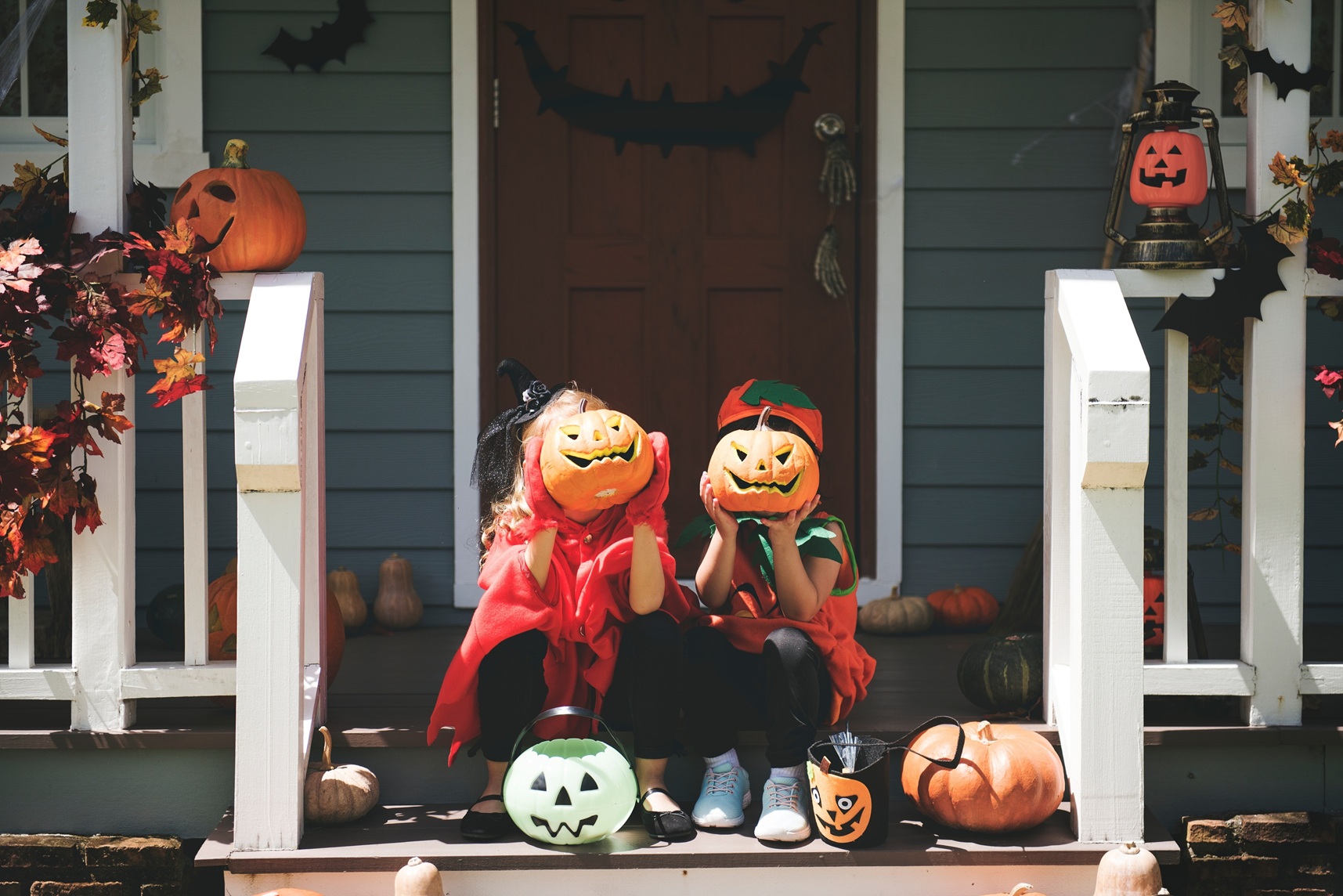
A welcoming neighborhood Halloween scene. Original editorial illustration.
A glowing pumpkin on a doorstep. Children choosing costumes. Neighbors getting ready to hand out treats. Halloween can turn an ordinary evening into a chance to meet people and share a little imagination.
If you have recently moved abroad, some Halloween traditions may feel unfamiliar. Why do people carve pumpkins? What does “trick or treat” mean? And do you need to dress up to join in?
This guide explores when Halloween takes place, how its traditions developed, and simple ways to enjoy the occasion while staying connected with family back home.
When Is Halloween
Halloween takes place on October 31 every year. In 2026, it falls on a Saturday. Parties and community activities may take place on nearby dates, so check individual event announcements before making plans.
The date stays the same, but the experience varies. A neighborhood might organize trick-or-treating, while a university, workplace or community center might hold a costume event. Participation also differs between households.
What Does Halloween Mean
The name Halloween comes from All Hallows’ Eve, the evening before All Saints’ Day on November 1. “Hallowed” refers to something holy.
Its history also connects with Samhain, a seasonal festival associated with the beginning of winter in Gaelic tradition. The National Museum of Ireland describes celebrations on the preceding evening that included feasting, games, disguises and beliefs about returning spirits.
Today, people participate for different reasons. For some, the occasion retains spiritual or religious significance. For others, it is a social celebration centered on costumes, decorations and spending time together.
Where Did Halloween Come From
Halloween developed through several layers of history, including Celtic seasonal customs, Christian observances and later community traditions.
The Library of Congress traces its background through contact between Celtic and Catholic practices. This history helps explain why the celebration combines seasonal change, supernatural imagery and dates associated with saints and the dead.
Migration also shaped the holiday. Irish immigrants brought Halloween customs to North America during the nineteenth century, where those practices continued to change. The Commonwealth Museum in Massachusetts documents traditions including visiting homes in disguise and carving vegetable lanterns.
Modern Halloween is therefore best understood as an evolving celebration. Its familiar activities did not all begin in the same place or remain unchanged over time.
Popular Halloween Traditions and Their Meanings
Wearing Halloween Costumes
Costumes let people become someone—or something—else for an evening. Some choose ghosts, witches or monsters; others dress as fictional characters, animals or everyday objects.
Disguises have a place in older Halloween customs. The National Museum of Ireland records ghostly masks and groups visiting homes to entertain their neighbors.
For a contemporary party, a simple homemade costume can work well. Check the invitation for a theme, and choose something comfortable enough for the weather and the activities planned.
Going Trick or Treating
Trick-or-treating usually involves children visiting participating homes in costume and asking for treats with the phrase “Trick or treat!”
Related historical customs include guising, in which people visited homes wearing disguises. In some traditions, visitors entertained their hosts in return for food or other gifts.
If this is your first Halloween in a new neighborhood, ask a neighbor or community organizer how it works locally. Confirm the expected times and how households indicate that they are participating. A friendly thank-you is part of the experience. If a household is not taking part, simply move on.
Carving Pumpkins into Jack o Lanterns
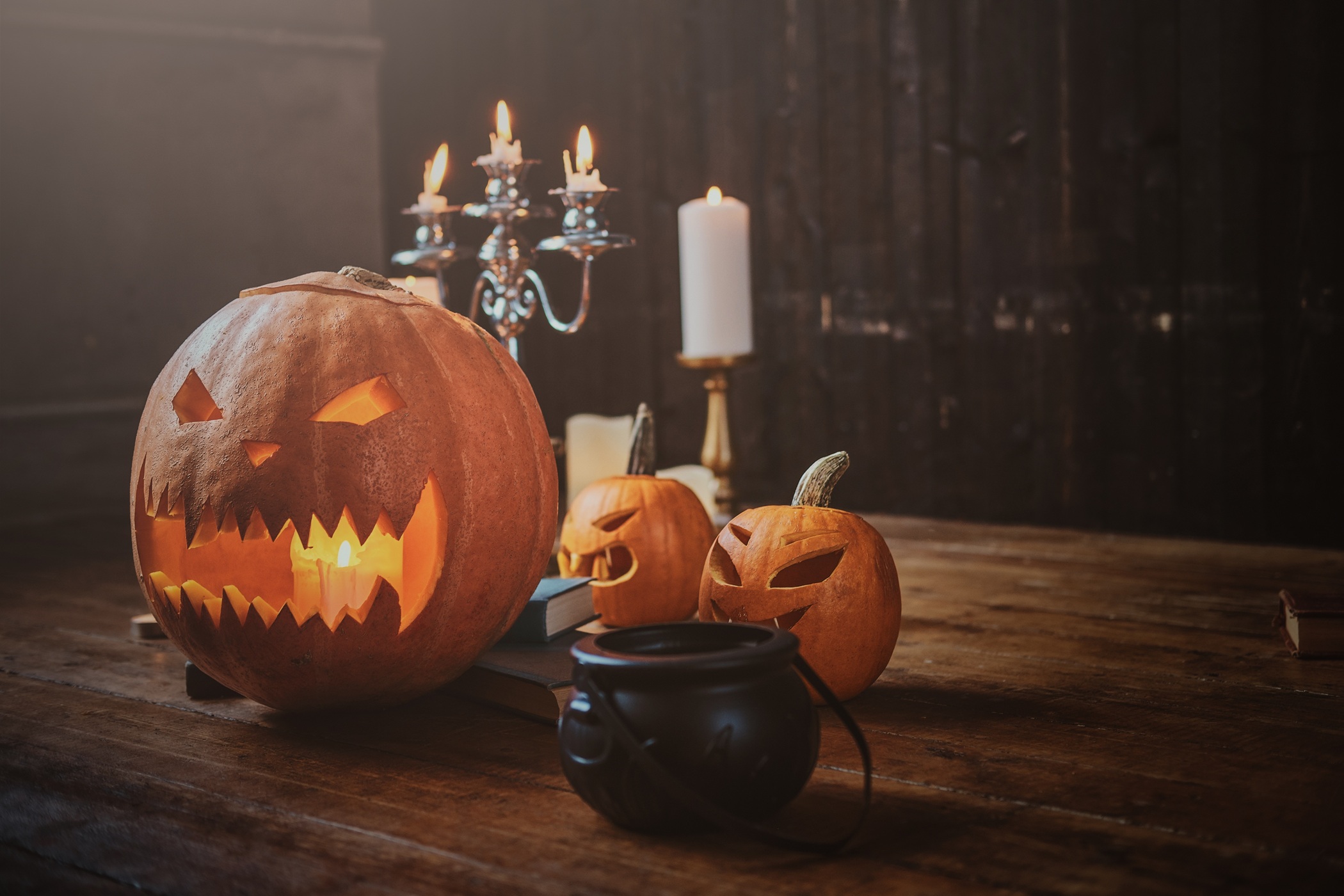
Turnips and pumpkins are part of the history of carved lanterns. Interpretive illustration, not a historical reconstruction.
A jack-o’-lantern is a carved lantern, now commonly made from a pumpkin. Earlier traditions used root vegetables such as turnips.
Smithsonian Gardens explains that Irish immigrants in America found pumpkins readily available and easier to carve, helping establish the familiar pumpkin lantern. The name is also associated with stories about a wandering figure known as Stingy Jack.
For a simple activity at home, try painting a pumpkin instead of carving one. A battery-powered light can create the familiar glow without an exposed flame.
Sharing Stories and Playing Games
Halloween has also been an occasion for storytelling and seasonal games. The National Museum of Ireland describes fruit and nuts as part of festive food and children’s games, alongside older fortune-telling customs.
You can adapt that social spirit to a small gathering: tell a ghost story, arrange a costume quiz or choose a film everyone is comfortable watching. A celebration does not need to be frightening to be enjoyable.
How to Celebrate Halloween When You Live Abroad
Your first Halloween overseas can be an opportunity to learn about your new community. Start with an activity that suits your interests and budget.
Join a Local Community Event
Look for activities organized by your university, library, community center or neighborhood group.
Before attending, check whether you need to book, whether costumes are expected and whether the event is intended for children or adults. Event details are more useful than assuming every Halloween gathering follows the same format.
Keep Your Plans Within Budget
Set a spending limit before buying a costume, decorations or tickets. You could reuse clothing you already own, borrow accessories or share decorations with friends.
Hosting a small gathering can also make it easier to decide what everyone wants to spend. If you are celebrating with others, agree on shared costs beforehand.
Respect Different Ways of Participating
Some people enjoy elaborate decorations and frightening attractions. Others prefer a quiet evening or choose not to celebrate.
Follow the host’s guidance, ask before photographing other people and avoid costumes that turn someone else’s identity or religious clothing into a joke. Being considerate makes it easier for everyone to feel welcome.
Halloween FAQs
Why Do People Celebrate Halloween
People celebrate for different reasons, including enjoying costumes, joining community activities and spending time with friends or family. The holiday’s history brings together seasonal customs and Christian observances, while contemporary participation varies.
Is Halloween Only for Children
No. Children often take part in trick-or-treating, while adults may attend costume parties, organize gatherings or help run community events.
Do You Have to Wear a Costume
No. Check the event invitation, but many activities can be enjoyed without dressing up. A simple accessory may be enough if you want to participate.
Did Halloween Start in America
Its historical roots extend to Europe. Immigration and later developments in North America helped shape many of its familiar modern expressions.
Is Halloween the Same as Día de Muertos
No. Halloween and Día de Muertos have distinct histories and cultural meanings. Although both may feature imagery associated with death, Día de Muertos centers on remembering deceased loved ones through family and community traditions.
Halloween Ideas for Families in Different Countries
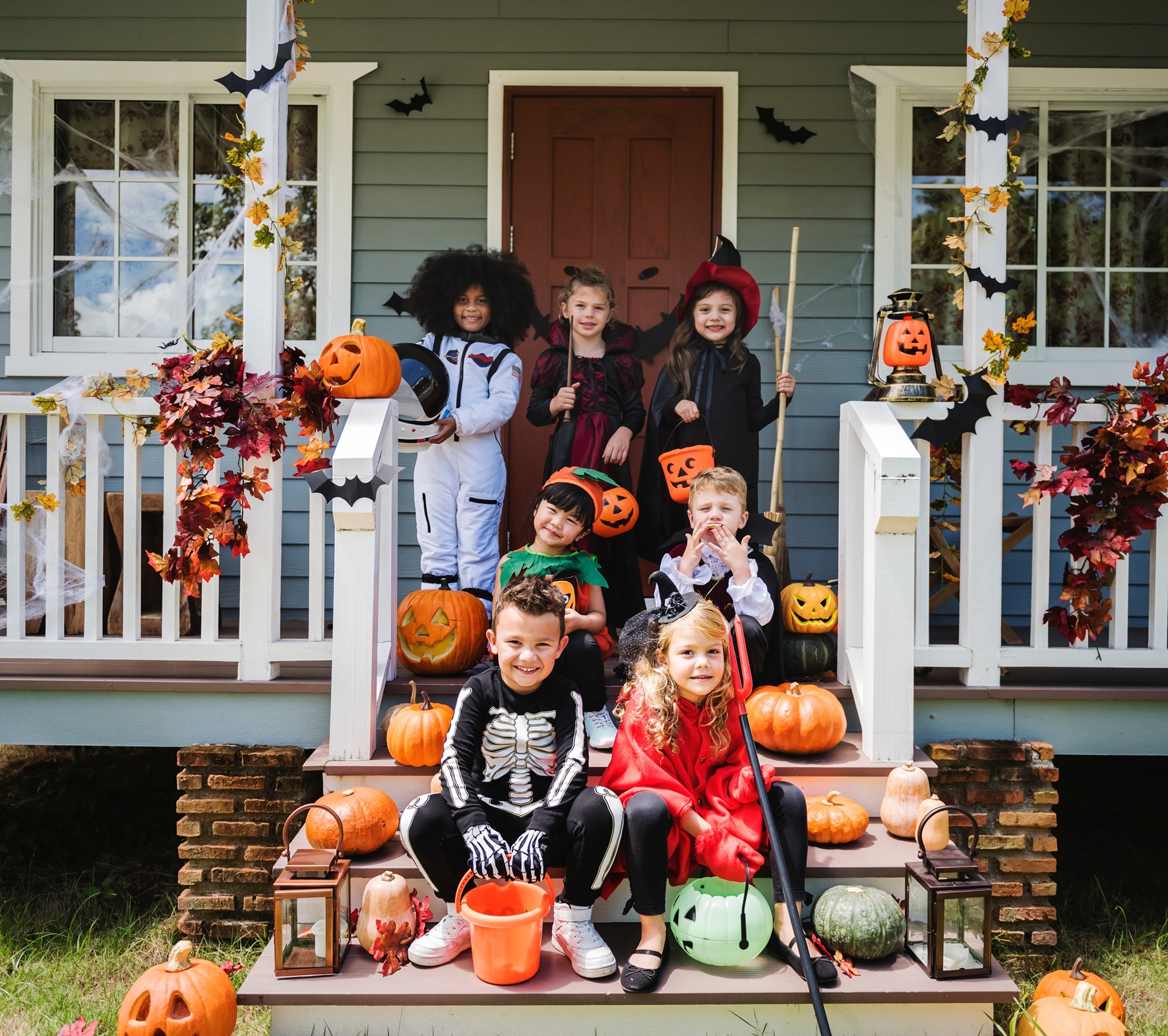
Sharing a new tradition with family back home. Original editorial illustration.
Living in different places does not mean you have to miss each other’s celebrations. Arrange a short video call to show costumes or decorations. Younger children might enjoy sharing a drawing or explaining the character they chose. Adults can exchange photographs or compare what the occasion looks like in their respective neighborhoods.
You can also plan an activity to do separately and share afterward, such as decorating a pumpkin or watching the same family film. Choose a time that works across time zones. The aim is to enjoy the connection, rather than add another obligation to a busy evening.
Staying Connected Beyond October 31
Halloween can be a chance to get to know your neighbors and share a new experience with people back home. A photograph, a conversation or a familiar voice on a video call can make the distance feel smaller.
And when supporting your loved ones financially is part of staying connected, Panda Remit is here to help. New users can enjoy competitive exchange rates and zero transfer fees on their first transfer, making it easier to send money home and share a little extra care.
Wherever life takes you, staying connected with the people who matter most is always worth it. 💚